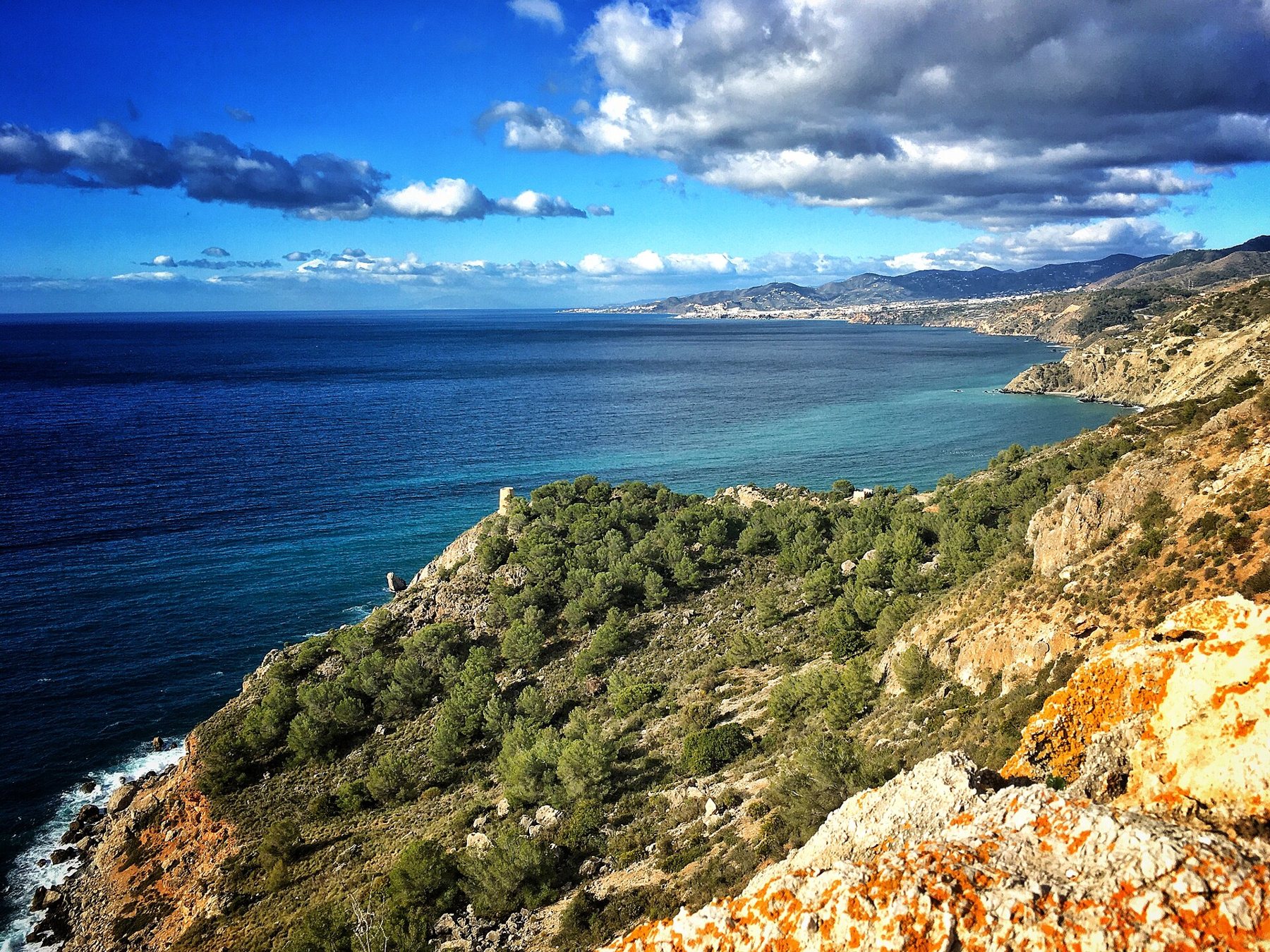
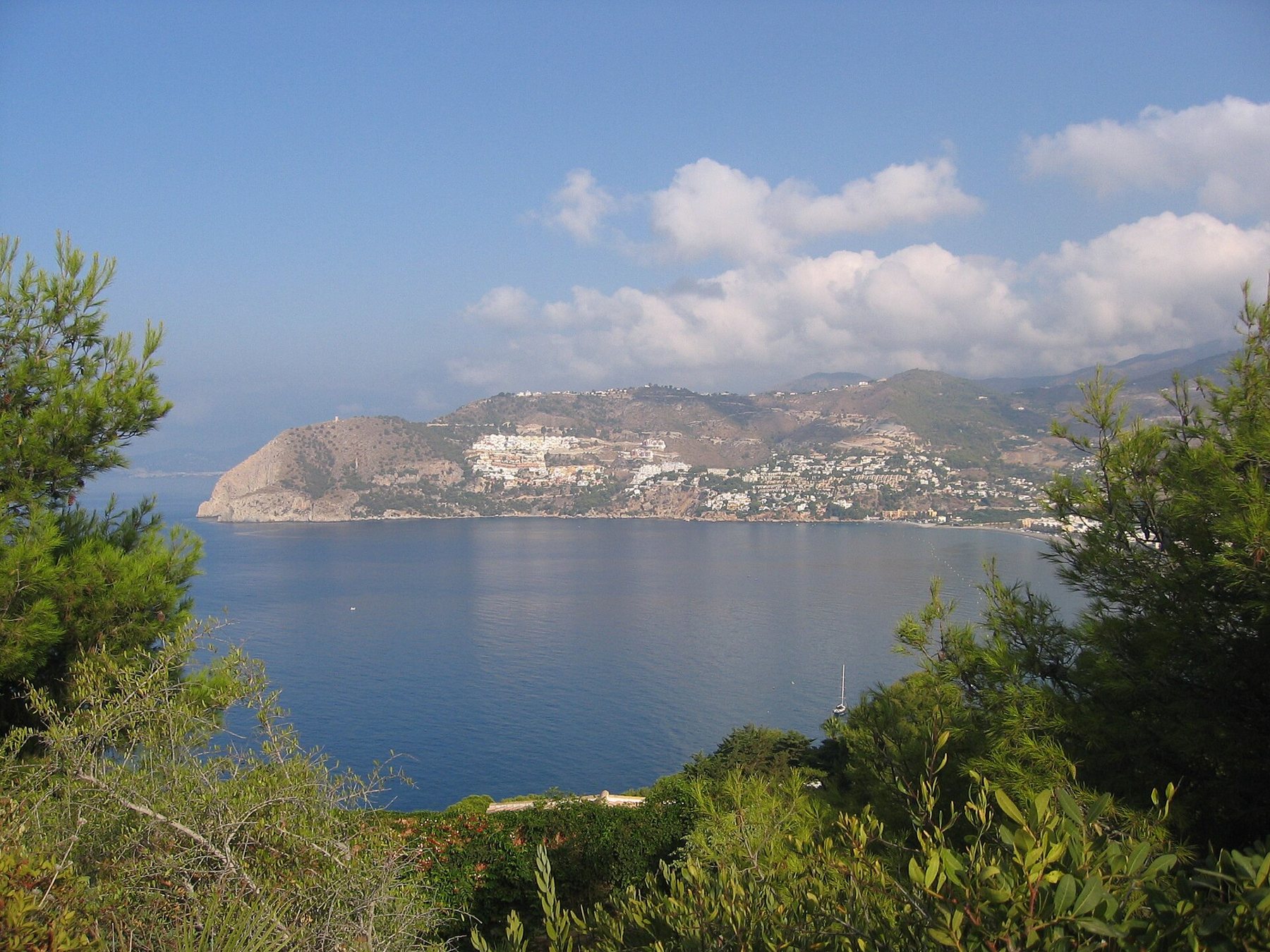
The museum is closed The Bonsai Museum closed in June 2022, and the bonsai trees are gone. The square, Plaza de Marruecos, is today a free public garden well worth a quiet visit.
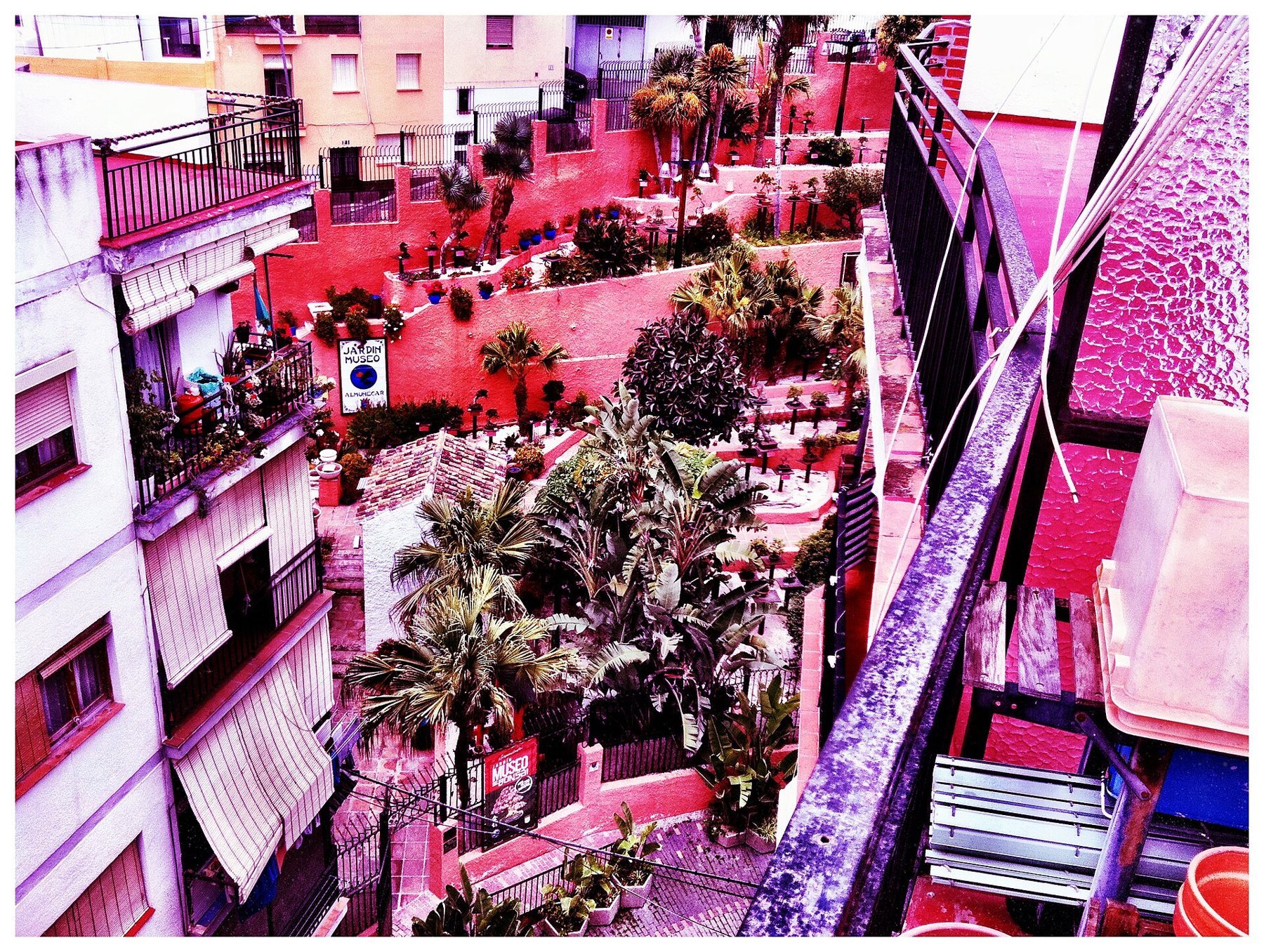
The Bonsai Museum in Almuñécar, Jardín Museo del Bonsái, has closed. The garden on Plaza de Marruecos opened in December 2008 and was, for 13 years, home to one of Spain's finest bonsai collections. In June 2022, the council reclaimed the site, and since May 2023 it has served as a free, smoke-free town garden. Here is the story of the museum, along with a suggested walking tour around the foot of the castle, where the bird park, castle and El Majuelo remain open to enjoy.
The museum is closed – what happened
Many guidebooks, hotel websites and maps still list the Jardín Museo del Bonsái with opening times and an entrance fee of €2 (≈ 14.92 kr.). This is out of date. Here is how events unfolded:
| When | Facility |
|---|---|
| 19-12-2008 | The garden is inaugurated on Plaza de Marruecos. Mayor Juan Carlos Benavides Yanguas attends, and around 120 trees are on display at the opening. |
| 2011 and 2014 | Bonsai exhibitions are held at the town's cultural centre. In October 2014, Almuñécar hosts the 25th Spanish National Bonsai Congress. |
| 2013 | According to the Costa Tropical Gazette, the collection now numbers around 300 trees and attracts roughly 10,000 visitors a year. |
| 2018 | The curator tells a local blog that the garden has been "left to fend for itself". Paintwork, pipes and lighting have been in need of repair for six years. |
| Spring 2022 | The museum closes. Opposition councillors describe it as a council eviction order and call for the councillor for the environment to resign. |
| 2 June 2022 | The curator hands back the keys as his agreement with the town council has expired. The council states its intention to clean the site and put the concession out to tender. |
| 24-05-2023 | Plaza de Marruecos reopens as a public, smoke-free municipal garden. Opening hours match those of El Majuelo. |
We have been unable to find out what became of the trees, or whether a tender was ever carried out. According to a 2009 bonsai forum, the museum's curator owned over 75 of the initial 120 trees himself, making it likely that many left with him. However, we have not seen this officially confirmed anywhere. In 2024, the bonsai blog Bonsai Genal described the closure as "a controversial administrative decision".
Who created the garden?
The garden was the brainchild of José Antonio Joya Martín. He served as president of the Asociación Amigos del Bonsái Costa Tropical and went on to become the museum's curator. The council financed the project while the association ran day-to-day operations. The association had already been staging bonsai exhibitions in Almuñécar since 2006. (News reports covering the key handover in 2022 referred to him as Joyas; all other sources write Joya.)
Joya personally tended to most of the collection. The 2014 congress was his proudest moment. According to the Costa Tropical Gazette, 80 trees from the Spanish royal household and from former Prime Minister Felipe Gonzálezʼs private collection were put on show, and Japan's ambassador Kazuhiko Koshikawa officially opened the exhibition.
What the bonsai garden was like
The garden covered 1,800–2,000 m² (sources vary) across several tiers in the town centre. Visitors entered from Calle Andrés Müller through a Japanese torii gate, the kind traditionally found guarding Shinto shrines. Inside, highlights included:
- The carp pond with large koi and a bridge spanning the water
- A dry zen garden of gravel and stone, and a water garden with flowers
- A Japanese granite lantern and several Buddhist water features
- A fountain presented as a gift from Morocco – perfectly suited to Plaza de Marruecos (Morocco Square)
- A pair of large, noisy macaws (parrots), noted by the Costa Tropical Gazette in 2013
Reported tree numbers vary greatly depending on the source, ranging from 120 at the opening and 127 on display, to "over 200", "around 300", and "400 on rotation". This makes sense if the broader collection was larger than what could be displayed simultaneously. Information plaques were provided in both Spanish and English.
The trees: Japanese pines and Andalusian wild olives
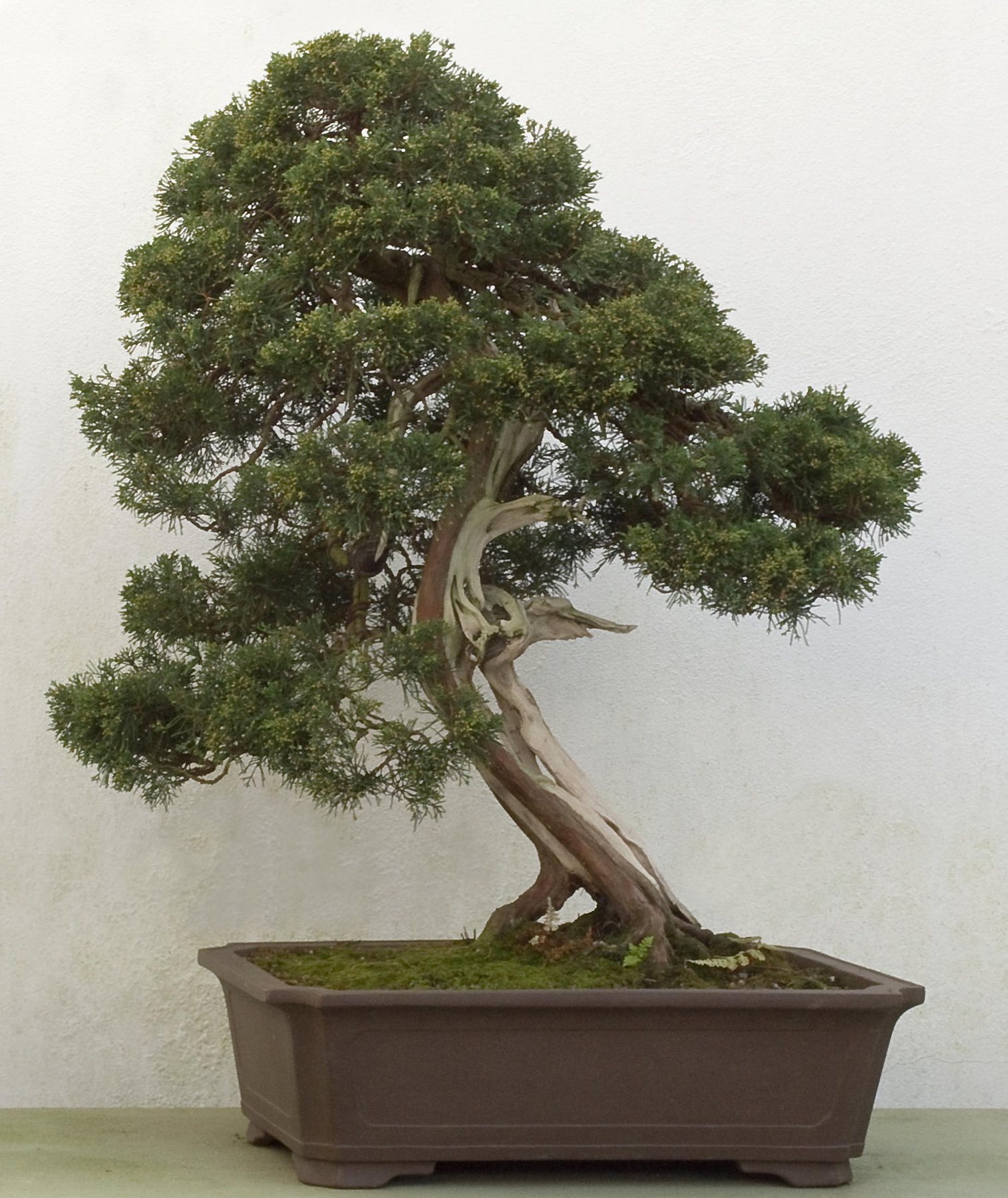
The collection fell into two main categories. There were conifers from Japan and Europe, including Japanese black pine, some of which were imported directly from Japan. And there were Mediterranean native trees in miniature: olive and wild olive (acebuche), almond, carob, pomegranate, holm oak and cork oak – the very species growing wild in the mountains behind Almuñécar. Several sources note that some specimens were over a century old. We have not been able to trace specific names, species or ages for individual trees, so we cannot highlight any particular "star exhibits".
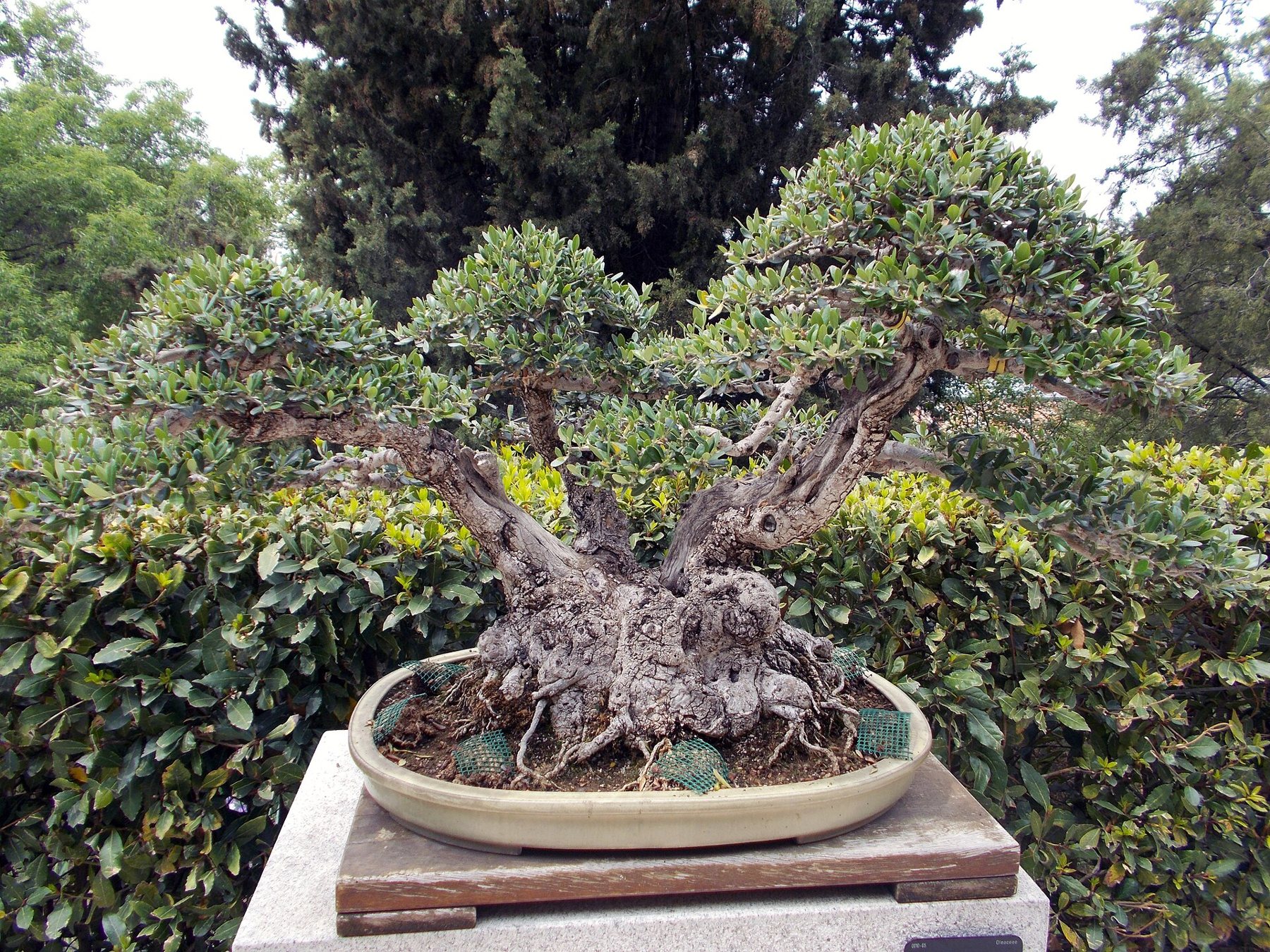
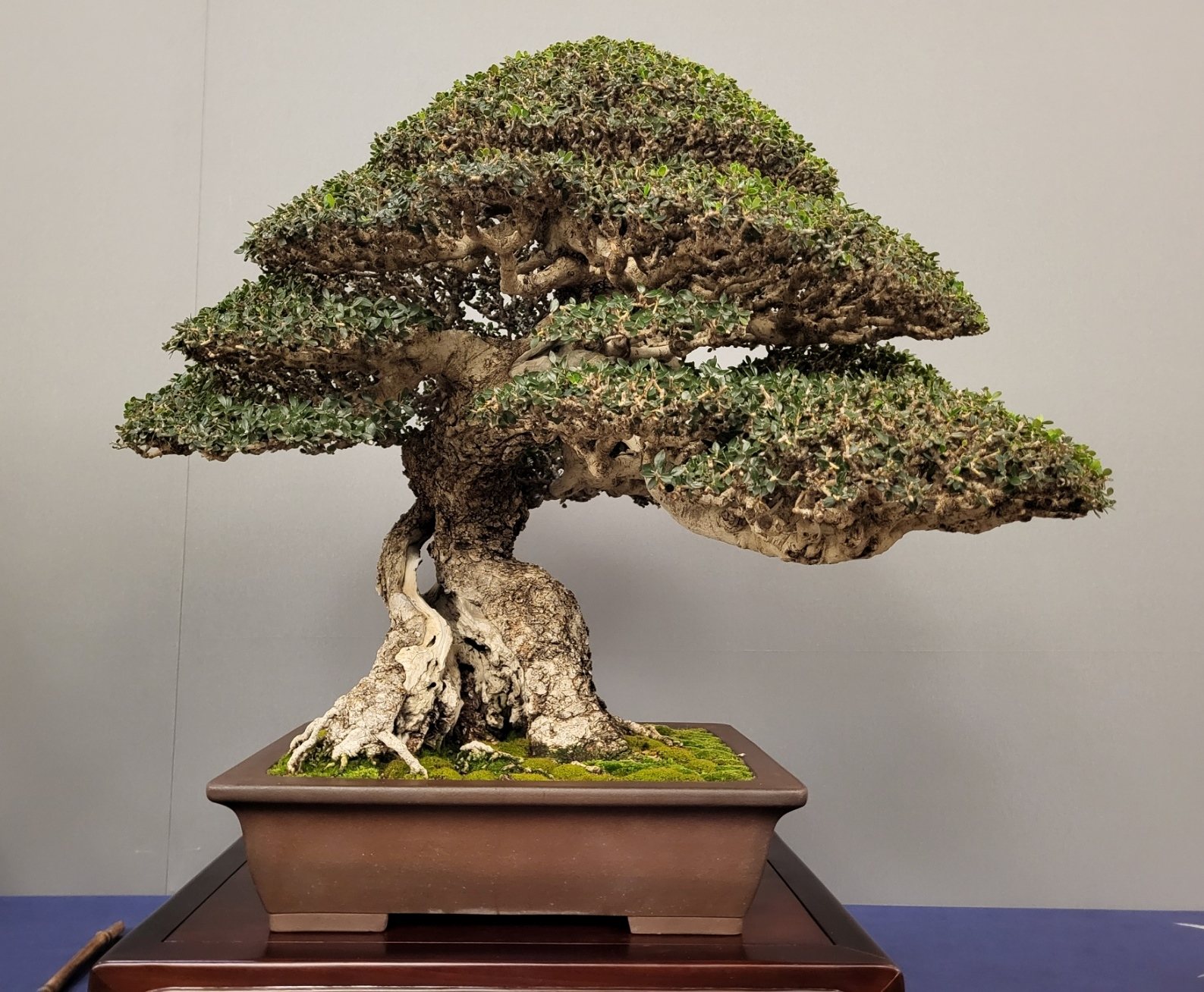
Bonsai means "planted in a container" in Japanese. The craft originated in China and involves keeping a tree small in a shallow pot by pruning its roots and branches. The aim is to replicate the graceful, weathered look of an ancient tree in the wild. A prized bonsai is lovingly shaped by the same grower for decades, with many passed down through generations.
Guide: half a day beneath the castle
While the bonsai garden is no more, it was situated right in the historic quarter. Within a 500-metre stroll, there is still an abundance to explore. We recommend this leisurely circuit, which takes about 3–4 hours including breaks. It is best to set out in the morning, as both the fortress and the bird park close over midday.
1. Plaza de Marruecos – the former bonsai garden (10 min)
Start where the museum once stood. The square is now a public municipal garden with free entry and a no-smoking policy. When it reopened in 2023, the council announced opening hours of 08:00–22:00 (matching El Majuelo), with longer hours during the summer months. We do not know how much of the original Japanese styling remains. If you happen to visit, do drop us a line and let us know.
2. Town Hall square and the church (20 min)
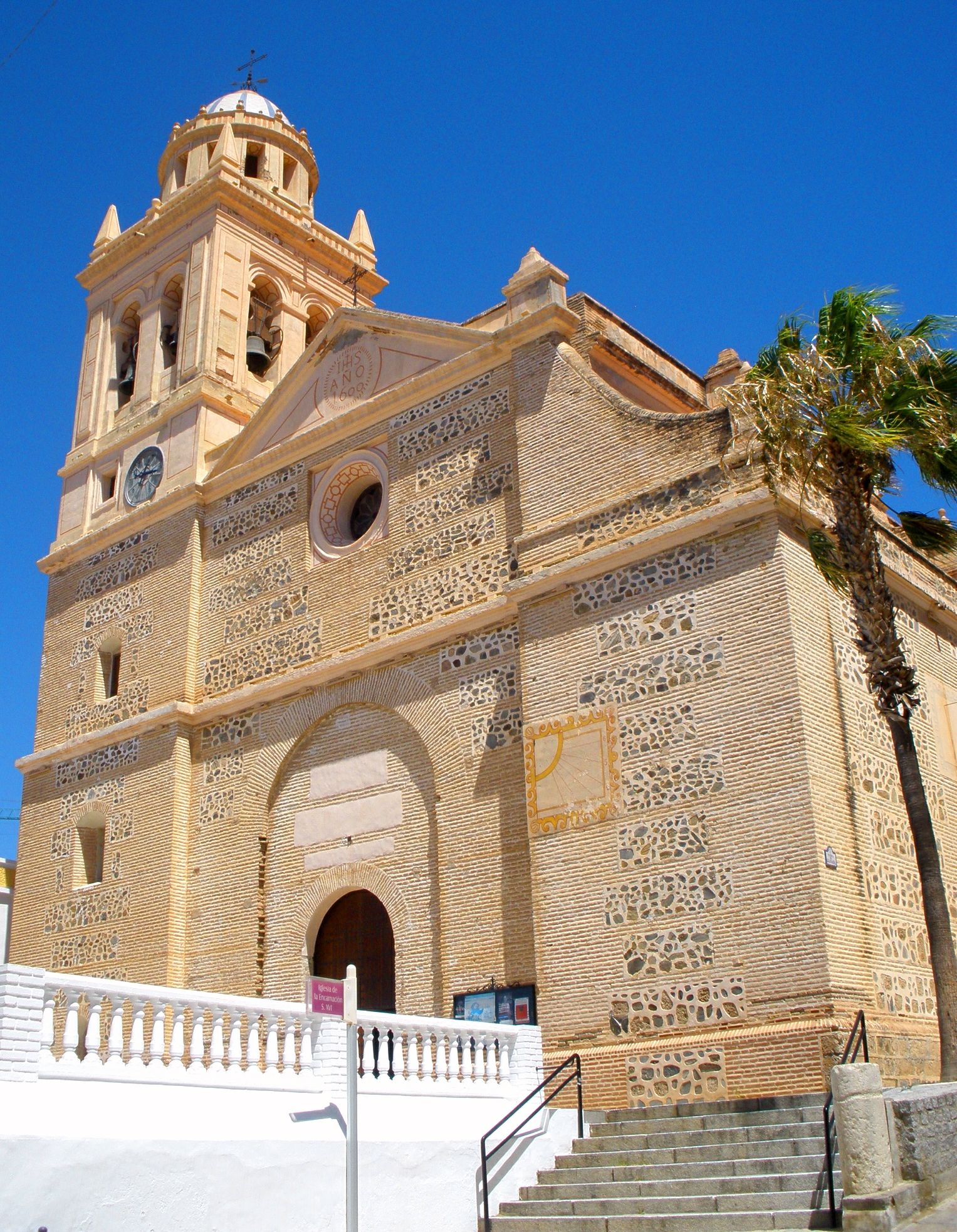
Just around the corner you will find Plaza de la Constitución, with the town hall and inviting café terraces nestled beneath orange trees. Overlooking the square stands Iglesia de la Encarnación, the town's main 17th-century parish church. Find out more on our churches page.

3. The Castle and Cueva de Siete Palacios (1–1½ hours)
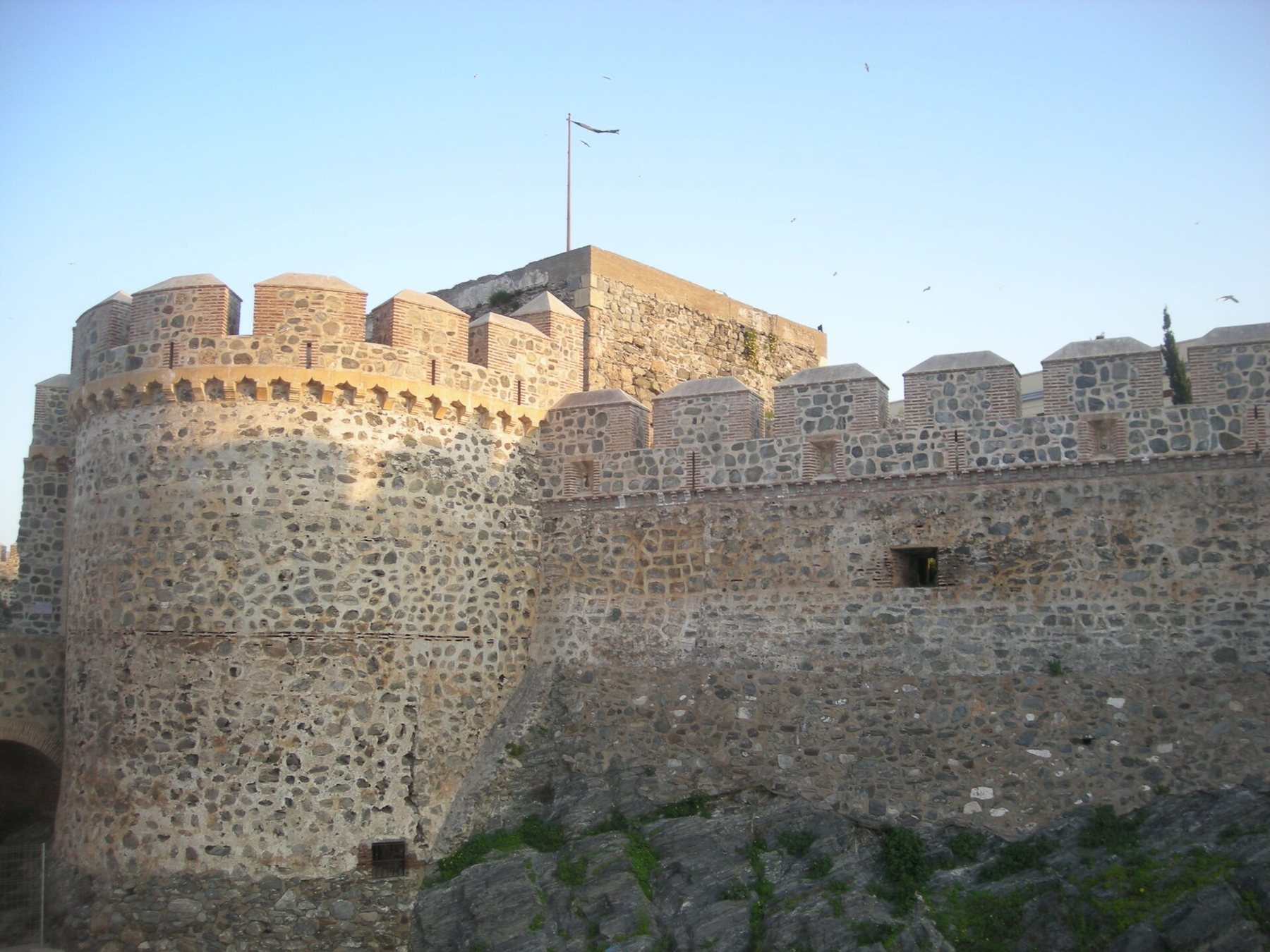
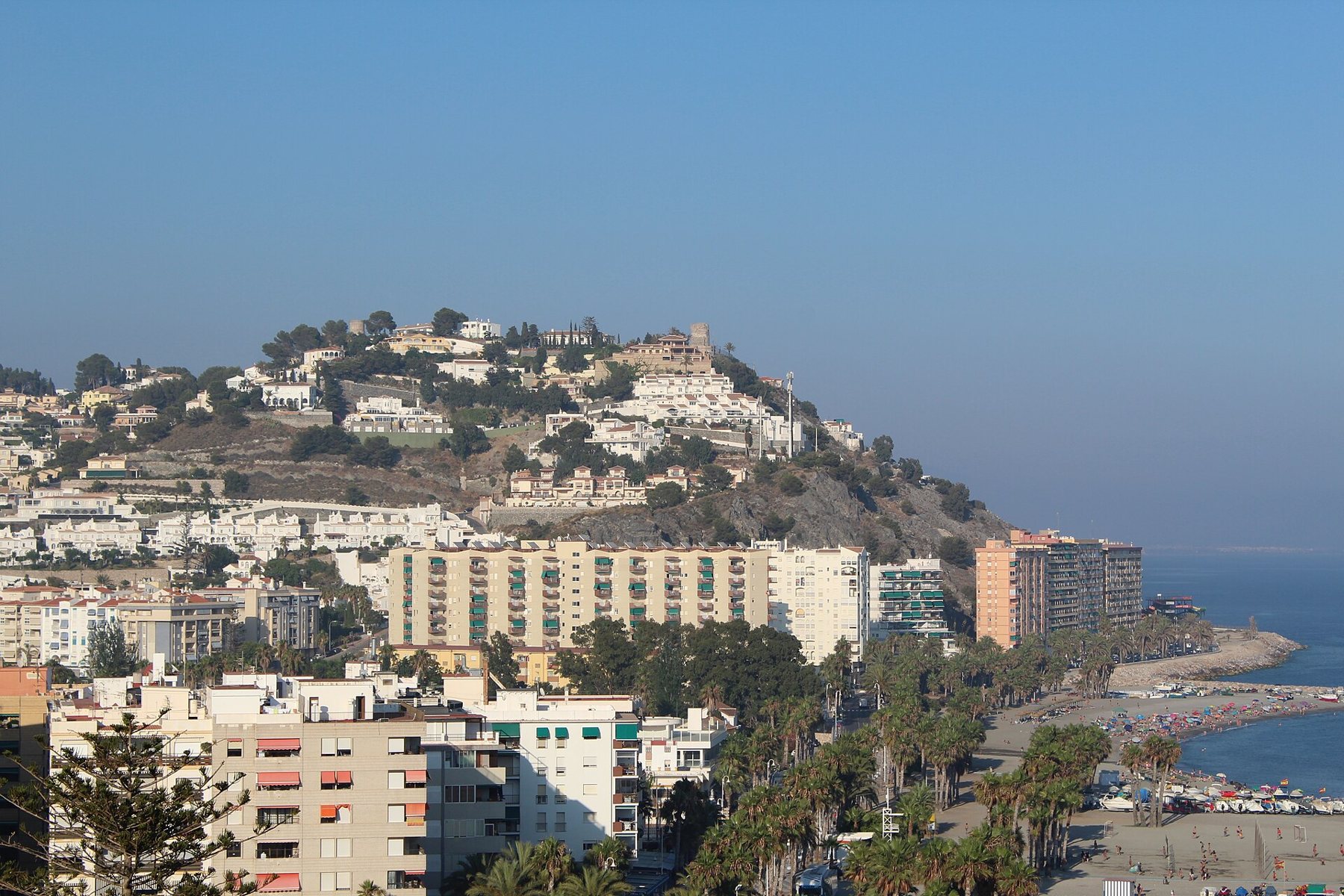
Walk up the steep streets to Castillo de San Miguel. The castle was built by the Moors and later by the Christians, offering sweeping views of the entire coastline. On the way up, you will find the museum Cueva de Siete Palacios housed in Roman vaults. A single ticket gives access to both. There are many steps throughout the castle, making it unsuitable for wheelchairs or rollators. Read more in Castillo de San Miguel, the museums and the Roman aqueduct.
| Period | Tuesday–Saturday | Sunday |
|---|---|---|
| 1 Nov–31 March | 10–13.30 and 16–18.30 | 10–13 |
| 1 April–30 June | 10–13.30 and 17–19.30 | 10–13 |
| 1 July–15 Sept | 10–13.30 and 18.30–21 | 10–13 |
| 16 Sept–30 Oct | 10–13.30 and 17–19.30 | 10–13 |
Closed on Mondays. Combined ticket: adults €4 (≈ 29,84 kr.), children and pensioners €2.50 (≈ 18,65 kr.). Free on Fridays 10–13.30. The ticket office closes half an hour earlier. Prices and opening hours are from the official Granada province website as of October 2026. There is no parking at the castle.
4. El Majuelo (30–45 mins)
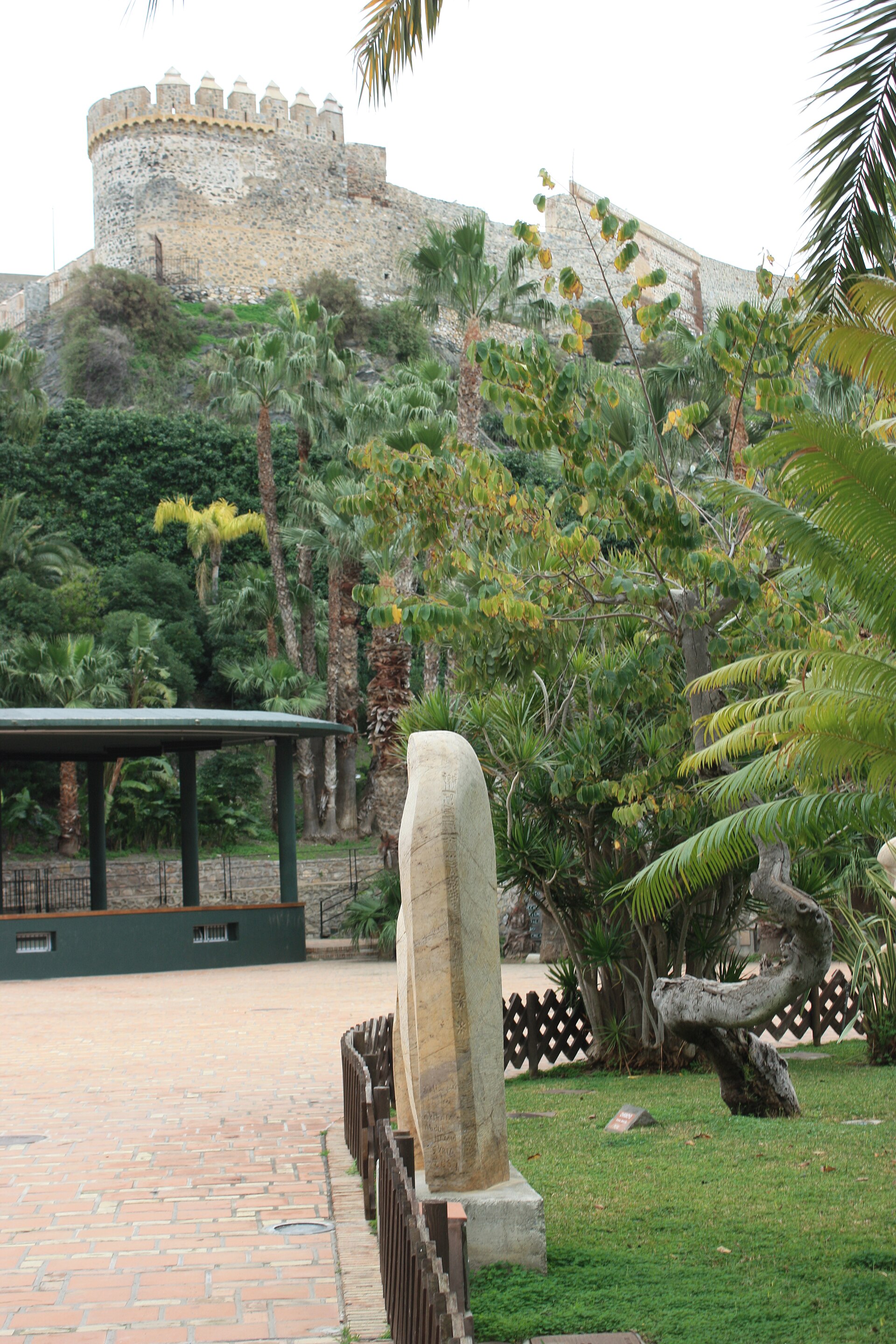
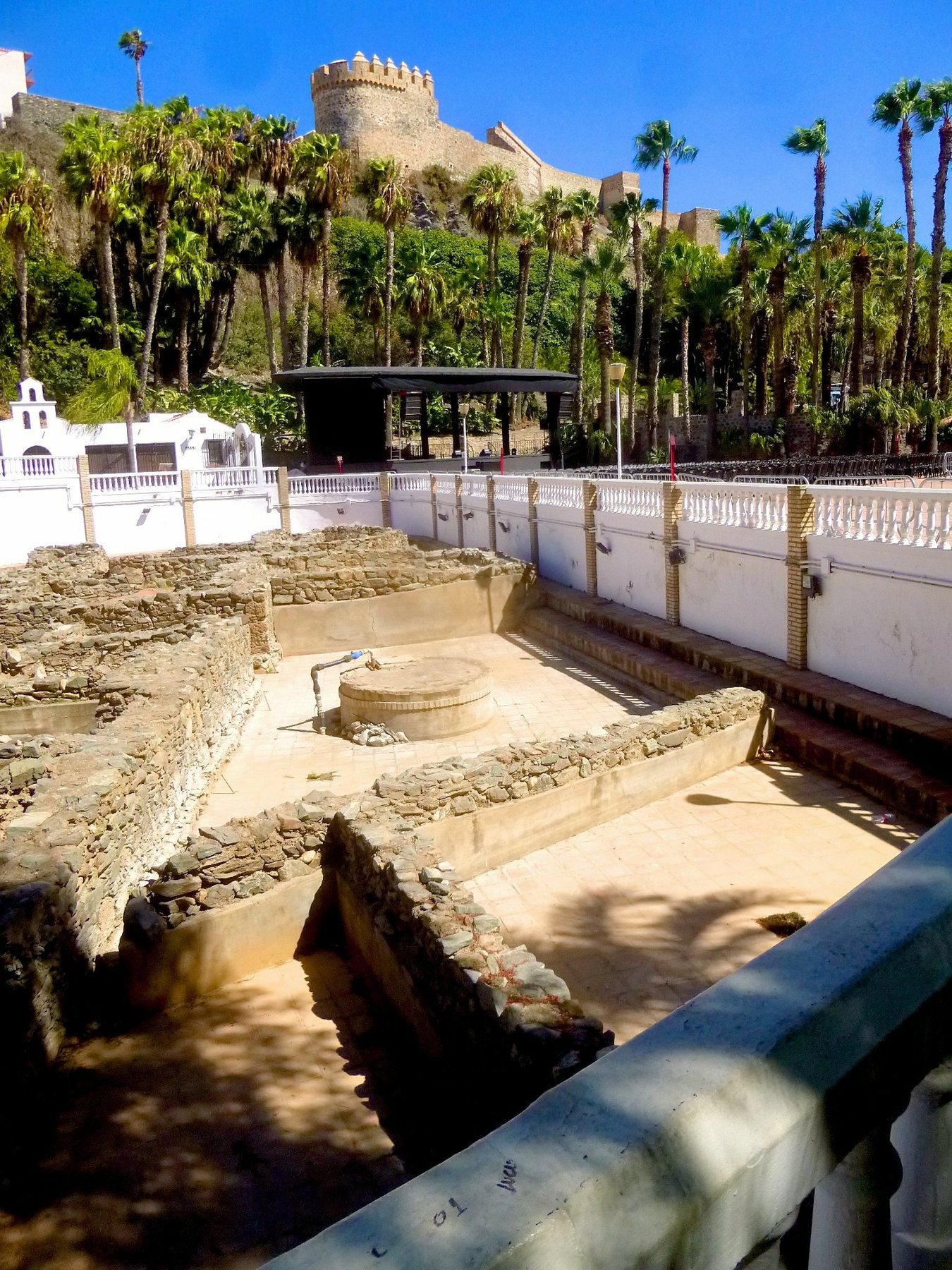
Below the castle lies El Majuelo, the town's botanical park featuring palms from around the globe and Roman vats used for salting fish and making garum. Admission is free, and the paths are virtually flat, offering a welcome break after all the stairs. Public toilets are also available. Read more in El Majuelo – the town's botanical park.
5. Loro Sexi – the bird park (approx. 1 hour)
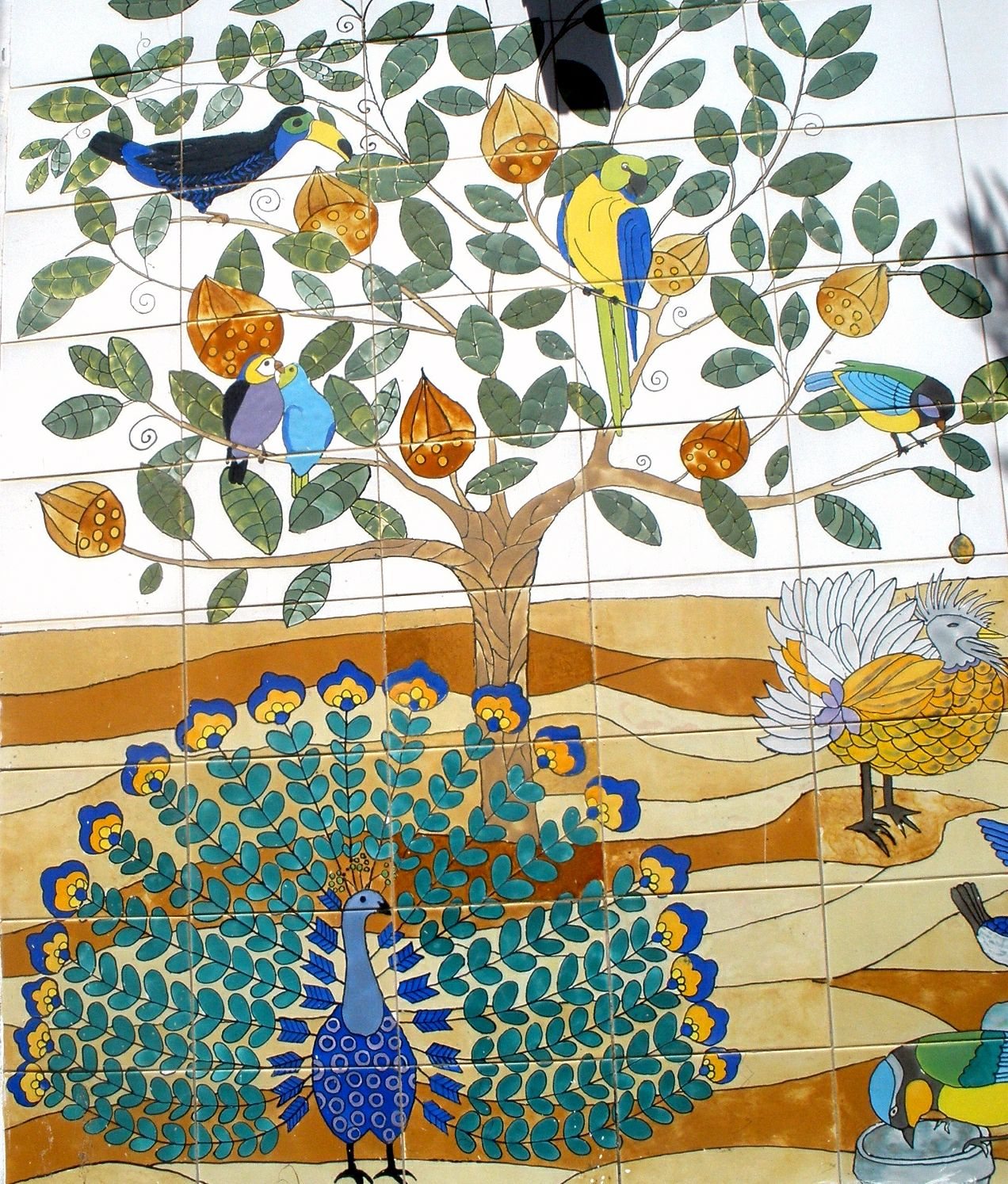
At the foot of the castle sits the bird park Parque Ornitológico Loro Sexi on Calle Bikini, Plaza Abderramán. It is home to around 1,500 birds, many of them parrots, alongside a cactus garden, tortoises and a few ring-tailed lemurs. One of them, Julien, was honoured by the mayor in July 2026 for "predicting" Spain's victory over Argentina in the football World Cup. Sources differ on the exact number of species. There are steps throughout and no ramps.
- Oct–March: Tuesday–Sunday 10.30–13.30 and 16–18, closed Monday
- April–June and Sept: daily 10.30–13.30 and 17–20
- July–Aug: daily 10.30–13.30 and 18–21
- Price: adults €4 (≈ 29,84 kr.), children under 13 and over 65s €2 (≈ 14,92 kr.) (as of September 2026)
Opening hours are from Granada Direct, updated September 2026. OpenStreetMap instead states that it is closed on Tuesdays. Call 958 635 617 if you want to be sure.

6. The Tourist Office in La Najarra
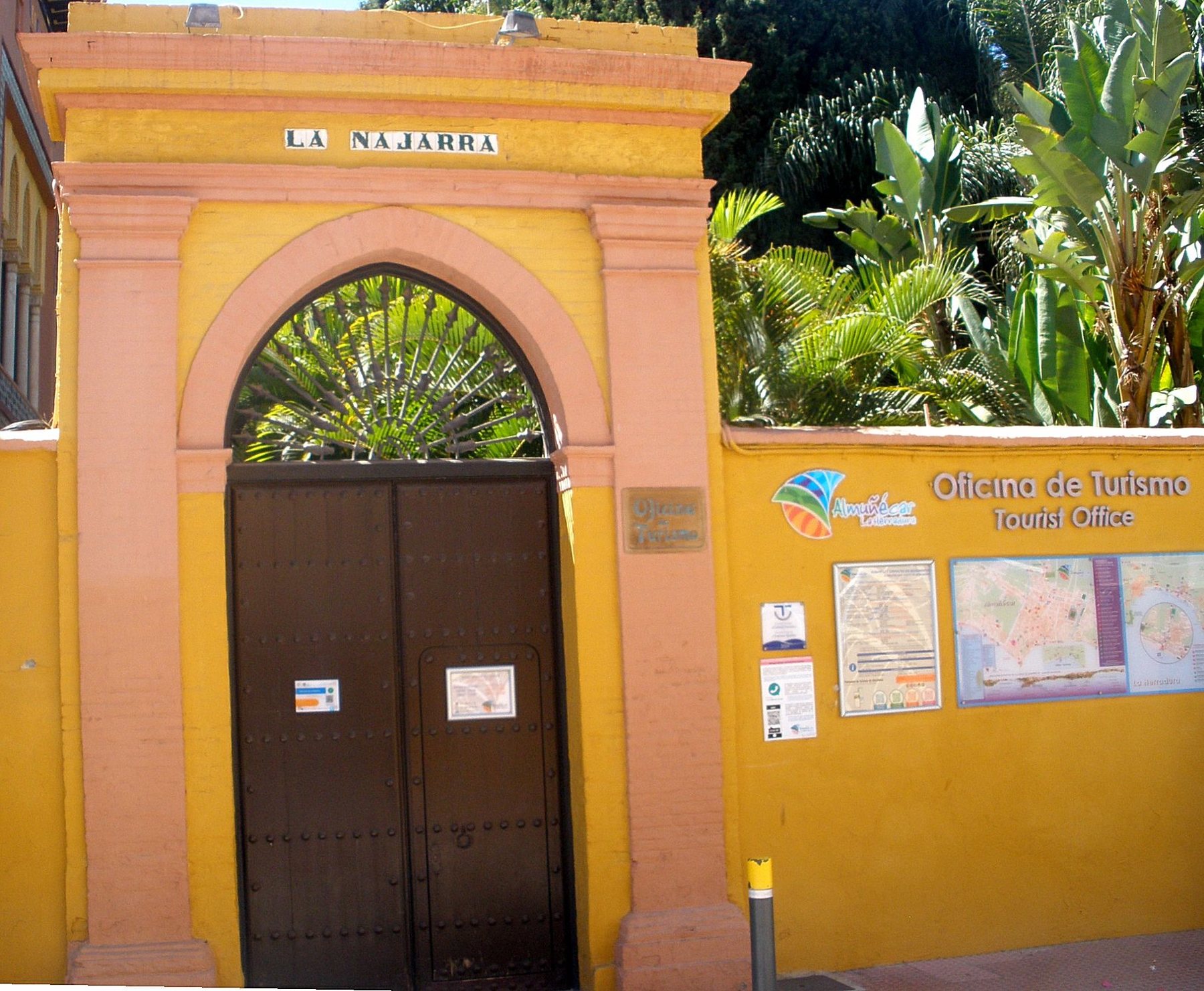
Finish at the pink Palacete de La Najarra, an elegant little Neo-Moorish mansion with gardens. Today it serves as the town's tourist office (tel. 958 631 125). Here you can pick up maps and ask about anything we haven't been able to confirm, including the bonsai trees. From here, it's just a two-minute walk down to the beach and Peñón del Santo.
How to get there
On foot: This is the easiest way. Follow the promenade westwards from Playa Tropical along Playa de Velilla and Playa Puerta del Mar to Paseo del Altillo, then walk the final couple of hundred metres up into town. The route is approx. 2.6 km and takes about 35 minutes. It is flat all the way until the neighbourhood beneath the castle.
By bus: The local town bus Line 3A Velilla–Taramay runs between Velilla and the town centre. A single ticket costs €1 (≈ 7,46 kr.) and a 10-trip card €8 (≈ 59,68 kr.) (plus a €4 (≈ 29,84 kr.) deposit). The winter timetable applies from 16 September to 30 June, and the summer timetable from 1 July to 15 September, during which Line 3B also operates. The timetable and bus stops are only available as images on urbanosalmunecar.es, so do check them there. See also buses.
By car: It is 2.2 km and 5–10 minutes, depending on traffic. Park in the underground municipal car park Parking El Altillo by Paseo del Altillo, which is open 24/7 and charges a fee (we have not been able to confirm the exact price). From here, it is a 5-minute walk to Plaza de Marruecos. The old town streets are narrow, and there is no parking at the castle. See also parking.
The buttons below the map will open the route directly from Playa Tropical in Google Maps.
Sights along the way
- Playa Puerta del Mar – the town's main beach between Velilla and the castle, lined with beach bars all the way.
- Monumento a los Fenicios on Paseo del Altillo – the monument to the Phoenicians, who arrived by sea and founded the town of Sexi almost 3,000 years ago.
- Plaza de la Constitución – the town hall square, where you can grab a cup of coffee before heading up into the old town.
- Peñón del Santo – the prominent rock with the cross by the beach just west of the castle. Well worth including at the end. Read more.

Food and drink
Around Plaza de la Constitución and in the streets leading down to Paseo del Altillo, you'll find plenty of cafés and tapas bars. The town hall square is a lovely spot for morning coffee and tostada, or a cold beer with tapas after exploring the castle. For lunch, wander down to the chiringuitos along Playa Puerta del Mar and San Cristóbal and order espetos, sardines skewered and grilled over an open fire. In autumn and winter, the coast's famous cherimoya is in season, which you can pick up in the Market Hall (Monday–Saturday 8–15). We haven't verified restaurant prices, so we won't recommend specific venues. See food traditions and 3×10 things to taste, eat and visit.

Toilets
- El Majuelo: public toilet inside the park (OpenStreetMap)
- By the beach below the castle: two public toilets between Loro Sexi and La Najarra (OpenStreetMap)
- The bus station on Avenida Juan Carlos I: two toilets (OpenStreetMap)
- Plaza de Marruecos and the castle: We haven't been able to confirm if toilets are available.
- The cafés on the town hall square: Buy a cup of coffee, and they will usually happily let you use their facilities.
We do not know whether the public toilets charge a fee or if they remain open year-round.
Traditions and festivals
The bonsai association held exhibitions at the town's cultural centre, Casa de la Cultura, in 2006 and December 2011, as well as the national congress in October 2014. We have found no records of exhibitions following the closure. The town's major celebrations pass right by the square:
- Virgen de la Antigua, 9–15 August 2026: The patron saint of the town is celebrated with a week of funfair rides by Río Verde and festivities in town by day. On 15 August, the Virgin is carried by boat from San Cristóbal beach to Paseo del Altillo, accompanied by fireworks.
- Virgen del Carmen, 16 July: The fishermen's festival featuring a maritime procession off San Cristóbal
- Cruces de Mayo in May: Floral crosses decorating the town and El Majuelo
See all the festivities on the fiestas page.
Maps and routes
Red star = Playa Tropical. Click on a point for the name and distance. Map data © OpenStreetMap.
Open the route in Google Maps
- Walk from Playa Tropical to Plaza de MarruecosApprox. 2.6 km, approx. 35 mins westwards along the promenade and up into town. The museum is closed – the square is a free public garden.
- Drive from Playa Tropical to Parking El AltilloApprox. 2.2 km, 5–10 mins. Paid underground car park, 5-minute walk to Plaza de Marruecos. No parking at the castle.
- Along the beach with stopsMonumento a los Fenicios on Paseo del Altillo, the town hall square, and finally Plaza de Marruecos. Approx. 3 km on foot.
- Circuit beneath the castle and homePlaza de Marruecos, town hall square, the castle, El Majuelo, Loro Sexi and the tourist office – returning along the beach. Steep streets and steps at the castle.
The routes start at Playa Tropical. On mobile devices, they open directly in the Google Maps app, ready for navigation.
Good advice
- Don't rely on outdated reviews. Many websites still list the bonsai museum with opening hours and prices. It has been closed since 2022.
- Visit in the morning. The castle and bird park close from 13.30 until late afternoon.
- Free on Fridays. The castle and Cueva de Siete Palacios offer free admission on Fridays 10–13.30.
- Mondays are best avoided. The castle and (in winter) Loro Sexi are closed.
- Wear good footwear. The streets up to the castle are steep, with plenty of steps both in the castle and at Loro Sexi.
- Bring both a card and a little cash. We have not been able to verify the accepted payment methods at the ticket desk.
- Walk home along the beach. From La Najarra, it is a pleasant 2.5–3 km walk back to Playa Tropical along the seafront promenade.
Have you visited Plaza de Marruecos recently? Are there still bonsai trees, a carp pond or a torii gate? Do drop us a line. We have been unable to find recent photos or descriptions of the square post-2023.
Sources
- Andalucía Información 24-12-2008: Abierto el Jardín Museo del Bonsái en la plaza Marruecos
- Bonsaisur forum 2008–2009: the inauguration on 19 December 2008, approx. 120 trees
- Costa Tropical Gazette 26-07-2013: Bonsai Garden Museum
- Costa Tropical Gazette 10-10-2014: XXV Congreso Nacional del Bonsai
- Infocosta Tropical 12-08-2015: Jardín Museo del Bonsái
- La educación caótica 03-06-2018: a museum in need of municipal care
- Infocosta Tropical 2022: PSOE on the closure (page did not respond during our check; details known from search results)
- Costa Digital 02-06-2022: El Ayuntamiento de Almuñécar recupera la Plaza de Marruecos
- Andalucía Información 24-05-2023: La plaza de Marruecos abre al público
- Bonsai Genal 15-05-2024: Museo del bonsai de Almuñécar
- Discover Almuñécar (2021): the garden, torii, zen garden, tree species
- Diputación de Granada: Castillo de San Miguel – opening hours and prices
- Granada Direct (updated Sept 2026): Parque Loro Sexi
- Andalucía Informa 21-07-2026: Julien the lemur at Loro Sexi
- Urbanos Almuñécar: Line 3A Velilla–Taramay
- Festivales de España: Fiestas Virgen de la Antigua 2026
- Coordinates: OpenStreetMap contributors (ODbL)
Krone amounts are converted at 1 € ≈ 7.46 kr. and rounded.