
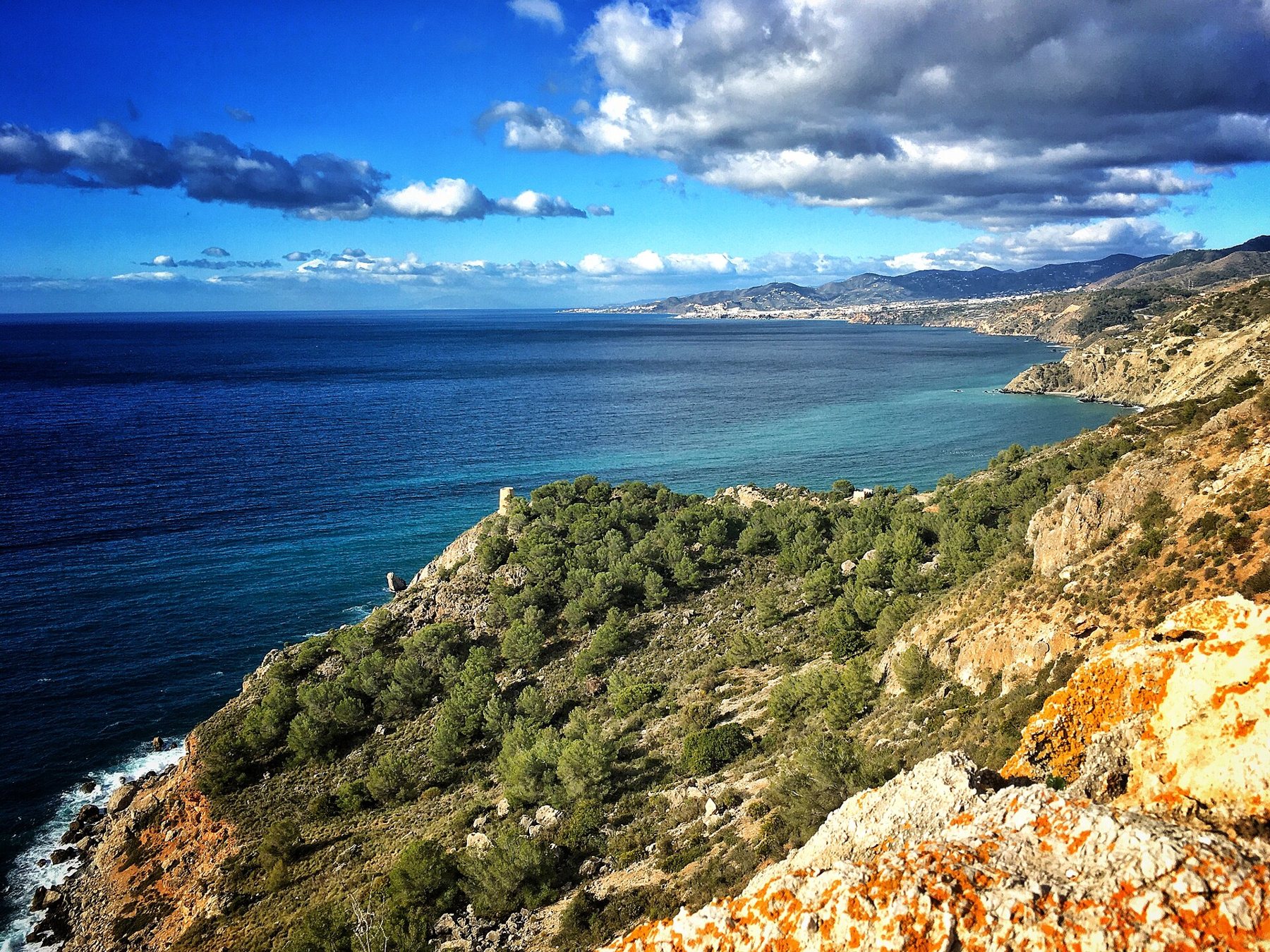
From Playa Tropical, you can reach the castle, botanical garden and bird park on foot, white villages and stalactite caves in half an hour, and the Alhambra, Málaga and the snow of Sierra Nevada in just over an hour. Here are all the excursions gathered in one place: a table with distance, driving time and who the trip suits, a map of all destinations, and short summaries of places we haven't written a full article about yet.
All excursions in one table
Distance and driving time are calculated from Playa Tropical to the car park or entrance at the destination. "Best for" is our verdict: children = fun for children and grandchildren, walking = a good walk, or you can walk there, culture = history, art and city life, nature = scenery, sea and mountains. Click on the name to read the full article.
In Almuñécar – on foot along the beach
| Location | Km | Time | What it is | Best for |
|---|---|---|---|---|
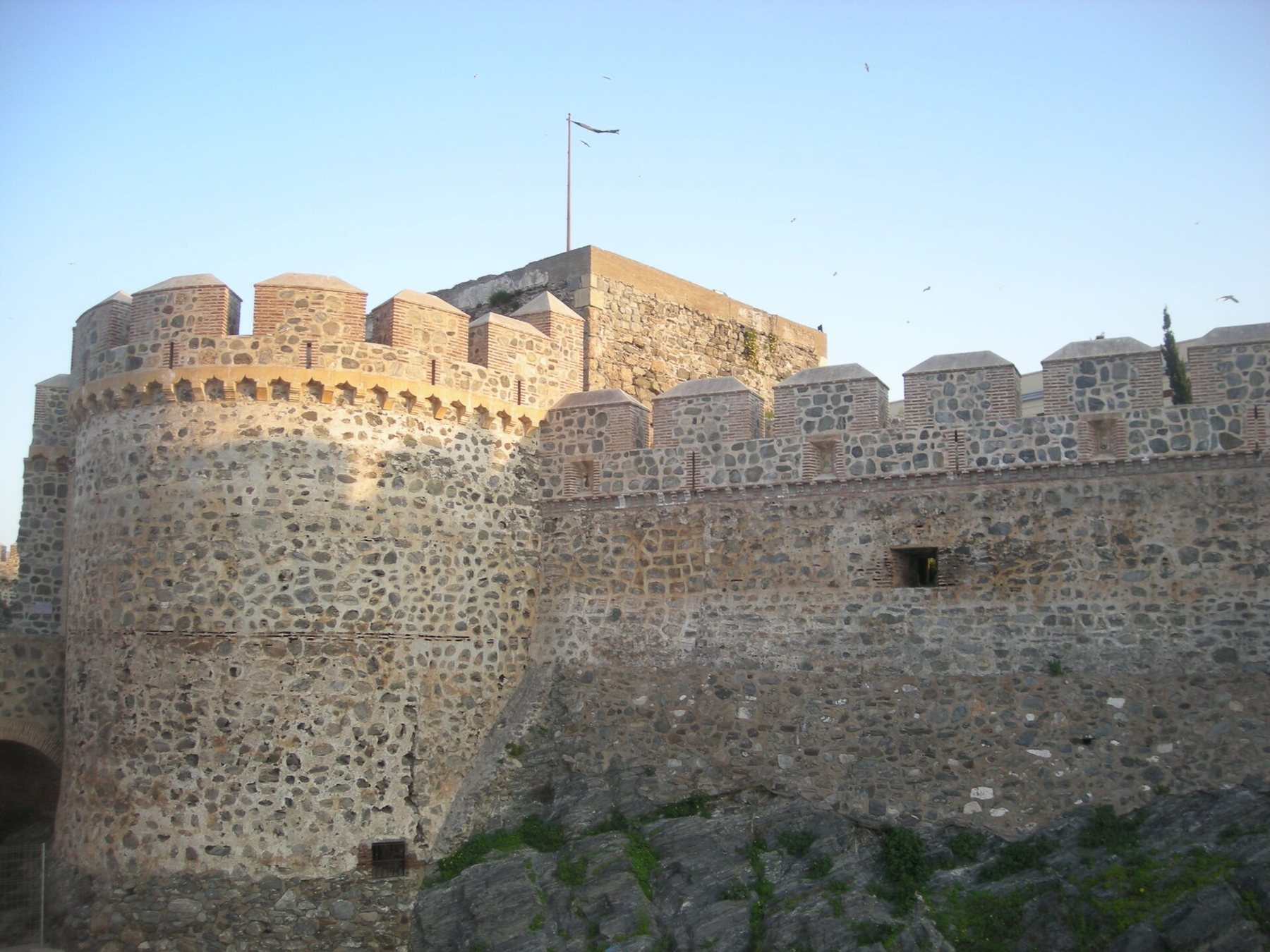
| Castillo de San Miguel | 2,3 | 30 min walk | Moorish castle with town museum and views. €4 (≈ 29.84 kr.) | Culture, walking |
| Peñón del Santo | 2,5 | 35 min walk | The headland with the cross and love locks. Free | Walking, culture |
| El Majuelo | 2,5 | 35 min walk | Botanical garden with Roman fish-salting factory. Free | Walking, nature, children |
| Loro Sexi | 2,5 | 35 min walk | Bird park below the castle. €4 (≈ 29.84 kr.) | Children |
| Acuario de Almuñécar | 2,5 | 33 min walk | Mediterranean marine life and shark tunnel. €12 (≈ 89.52 kr.) | Children |
| Bonsai Museum | 2,6 | 35 min walk | Closed since 2022 – now a free municipal garden | Walking |
| Casa Barco | 4 | 10 min drive | The house shaped like a ship. Private – view from the street | Walking |
| Markets | 1,5 | 20 min walk | Friday market in Almuñécar – and all weekly markets along the coast | Culture |
| Churches and chapels | 2–18 | 30 min walk–25 min drive | Churches from Almuñécar to Nerja and Motril | Culture |
Under half an hour by car
| Location | Km | Time | What it is | Best for |
|---|---|---|---|---|
| The sea at La Herradura | 9 | 15 min | Kayaking, snorkelling and diving in the bay | Nature |
| The fruit valleys | 11–14 | 20–30 min | Jete, Otívar and Lentegí – walks among custard apples and avocados | Nature, walking |
| Salobreña | 12 | 15–20 min | White village on the cliff with a Moorish castle | Culture, walking |
| Maro-Cerro Gordo | 13 | 20 min | Protected cliffs and small beaches | Nature |
| Canyoning in Río Verde | 14 | 25–30 min | Guided canyoning from Otívar. Family trip from age 8 | Nature, children |
| Motorbike tours | – | Full day | Carretera de la Cabra (A-4050) by motorbike – 59 km of mountain road | Nature |
| Ron Montero | 15 | 20 min | Rum distillery in Motril with tastings. €5 (≈ 37.30 kr.) | Culture |
| Motril | 17 | 25 min | Sugar museum, church, and the largest town on the coast | Culture |
| The Nerja Caves | 24 | 25–30 min | Stalactite cave and Balcón de Europa in Nerja | Children, culture, nature |
| Río Chíllar | 25 | 30 min | River hike – closed since 2023 | Nature |
Half day or full day
| Location | Km | Time | What it is | Best for |
|---|---|---|---|---|
| Frigiliana | 29 | 35 min | White village above Nerja, Moorish quarter | Culture, walking |
| Torrox | 33–35 | 35 min | Old town in the valley and Roman ruins by the lighthouse | Culture |
| Cómpeta | 47 | approx. 1 hour | Mountain village known for muscatel wine | Culture, nature |
| The Osborne Bull | 50 | 50 min | The nearest black bull, near Almayate | Culture |
| Vélez-Málaga and Torre del Mar | 50 | 50 min | Fortress, old town and long beach promenade | Culture |
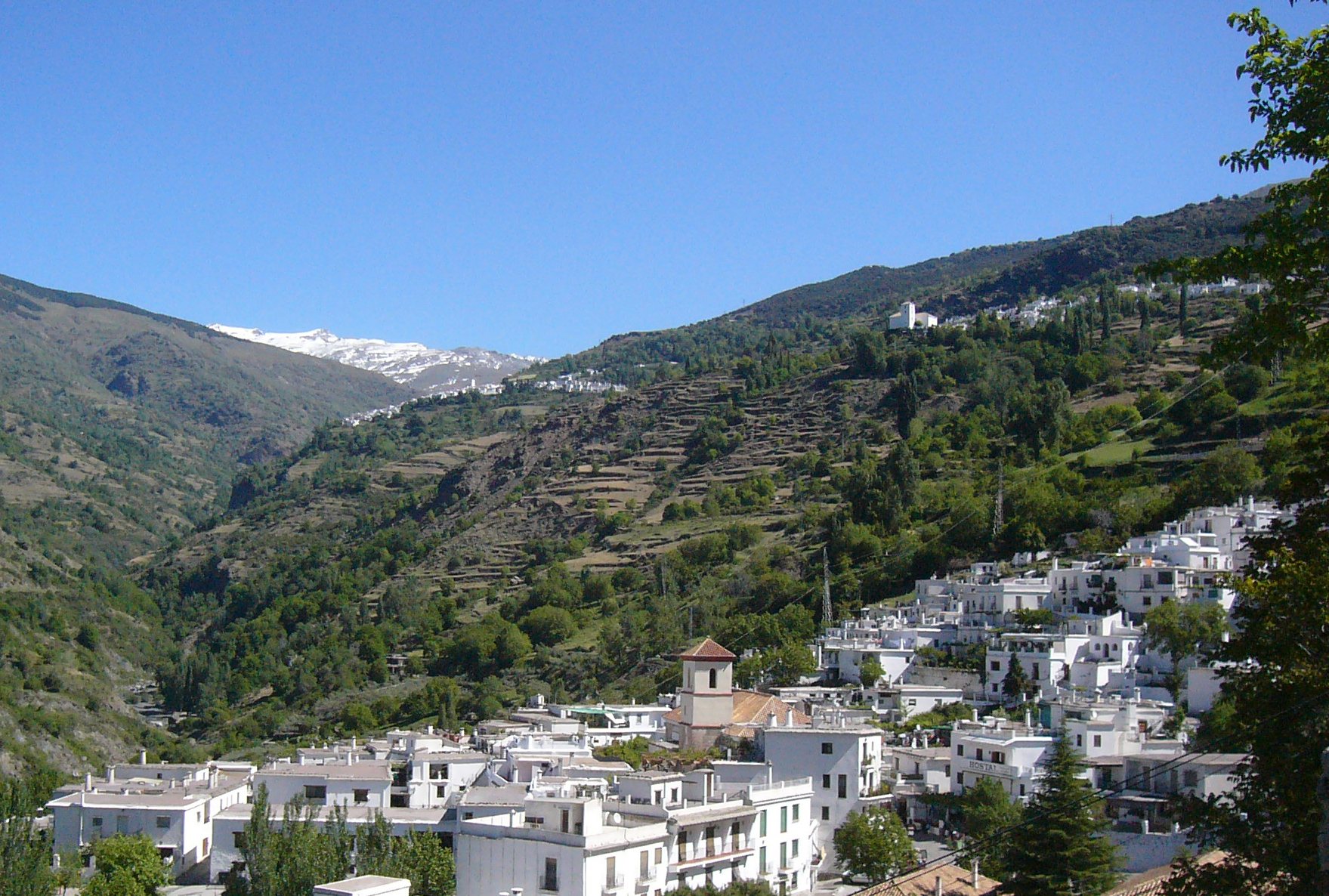
| Las Alpujarras | 57 | 1 hr 10 mins | White mountain villages below Sierra Nevada | Nature, culture, walking |
| Málaga | 76 | 1 hr 10 mins | Alcazaba, Picasso, cathedral and espetos | Culture |
| Granada and the Alhambra | 78 | 1–1¼ hours | The Alhambra and the old town – book well in advance | Culture |
| Sierra Nevada | 104 | approx. 1½ hours | Snow and skiing in winter, hiking in summer | Nature, children |
Far afield – ideally with an overnight stay
| Location | Km | Time | What it is | Best for |
|---|---|---|---|---|
| Guadix | 140 | approx. 1 hr 45 min | Cave dwellings, cathedral and alcazaba | Culture |
| Córdoba | 230 | approx. 3 hours | The Mezquita – mosque and cathedral in one | Culture |
| Seville | 280 | approx. 3½ hours | Real Alcázar, cathedral and Plaza de España | Culture |


Which trip suits you?
- With children and grandchildren: the aquarium and Loro Sexi in town, the Nerja caves, the snow in Sierra Nevada in winter and the Aquatropic waterpark by Playa de Velilla in summer (see aquarium). Older children aged 8 and up can join a family adventure in the Río Verde canyon.
- Without a car and on good legs: the whole route beneath the castle – Peñón del Santo, El Majuelo, Loro Sexi and the castle – can be done on foot from Playa Tropical along the beach. With the ALSA bus you can easily reach Nerja, Salobreña and Granada.
- If stairs are difficult: Ron Montero is wheelchair accessible. The castle in Almuñécar, Loro Sexi, the Nerja caves (458 steps) and the old quarter of Frigiliana have many stairs. The Alhambra involves long walking distances.
- Culture and history: the Alhambra is the big highlight. Closer to home: the castle in Almuñécar, Salobreña, Frigiliana and the sugar history in Motril.
- Nature: the cliffs at Maro-Cerro Gordo, the fruit valleys, the Alpujarras and Sierra Nevada. The best weather for walking is spring and autumn – see the seasons.
How to get there
By car
Nearly all excursions begin on the A-7 motorway, which runs just north of Almuñécar. Heading west, it leads to Nerja, Torrox and Málaga; heading east, to Salobreña and Motril. At Motril, the A-44 turns north towards Granada and Sierra Nevada. Both motorways are toll-free. The old coastal road N-340 is slower, but much more scenic – especially westwards past La Herradura and Cerro Gordo. To head up into the fruit valleys, take the A-4050, the Carretera de la Cabra.
Parking typically costs €1–€2.50 (≈ 18.65 kr.) per hour in underground town car parks. Some places are free: by the town hall in Salobreña, in Pampaneira and Capileira, and at the ski resort in Sierra Nevada. Read also about parking, speed cameras and what to do in case of breakdowns and accidents.
The buttons below the map at the bottom of the page open the route from Playa Tropical to each destination directly in Google Maps – on mobile in the Google Maps app, ready for navigation.
By bus
ALSA operates from the Almuñécar bus station. The coastal route between Motril and Málaga stops at La Herradura, Maro and Nerja, among others. There are around 9 departures a day to Granada (1 hr 15 min–2 hours), and from Granada, Autocares Tocina runs onwards to Sierra Nevada. Connections to Salobreña and Motril are frequent and fast. Timetables vary by season, so always check alsa.es. Locally, the town bus line 3A runs between Velilla and Taramay for €1 (≈ 7.46 kr.) (as of October 2026). See also buses.
Sights along the way
To the west: the coastal road to Nerja
- La Herradura (9 km): the horseshoe bay where 25 Spanish galleons sank during a storm in 1562. Great coffee right on the beach.
- Mirador de Cerro Gordo (13 km): viewpoint on the N-340 with free parking and a 16th-century watchtower a short walk up the trail.
- Maro (23 km): the little white village right by the Nerja caves, with the church Iglesia de las Maravillas and the aqueduct Acueducto del Águila along the road to Nerja.
- The Osborne bull at Almayate (50 km): the nearest of the iconic black bulls stands by the old N-340 on the way to Torre del Mar and Málaga.
To the north: A-44 towards Granada
- Vélez de Benaudalla (27 km): village by the Guadalfeo River topped with a castle and home to Jardín Nazarí, a small Moorish-style garden known as "the little Generalife".
- Rules Reservoir: the turquoise reservoir on the Guadalfeo, opened in 2004. You can see it from the A-346, which branches off at Vélez de Benaudalla towards Órgiva and the Alpujarras.
- Puerto del Suspiro del Moro (865 m): the mountain pass where the last Moorish king, Boabdil, reputedly looked back at Granada in 1492 and sighed. See Motorbike tours.
- Padul (55 km): the town by Laguna del Padul, a wetland area with birdlife and boardwalks. Mammoth remains were uncovered in its peat bogs in 1982.
To the east: Salobreña and Motril
- Playa de Velilla and the mouth of Río Verde: right beside Playa Tropical – the river flows down from the mountains near Otívar.
- Salobreña (12 km): the castle on the rock can be spotted from far out on the motorway.
- The sugar factory at La Guardia (11 km): the old coastal sugar factory between Salobreña and Motril. It closed in 2006 as the last operational sugar cane mill in Europe, and its tall chimney is clearly visible from the coastal road.
Up into the valley: Carretera de la Cabra
- The aqueduct at Torrecuevas (6 km): the arches of the Roman aqueduct that once channelled water to Sexi – Roman Almuñécar.
- Jete and Otívar: villages nestled among plantations of custard apples, avocados and mangoes.
- Mirador de la Cabra Montés: viewpoint offering sweeping panoramas across the entire valley down to the sea.
Each of our excursion articles features its own dedicated section with stops along the way and a Google Maps route linking the stops in sequence.


Destinations without their own article
We haven't written a full guide for these places yet. Here are the highlights – and remember to check opening times before you travel.
Motril – sugar, rum and the coast's largest town
Motril lies 17 km to the east and, with nearly 60,000 inhabitants, is the second-largest town in the province of Granada. For centuries, the town lived off sugarcane, which the Moors cultivated here as early as the 10th century. This history is told in the Museo Preindustrial de la Caña de Azúcar at Calle Zafra 6, by the old sugar factory Ingenio de la Palma. The museum shows how sugar was produced and traded from the 13th to the 18th century. According to the tourist office brochure from May 2026, it is open Tuesday–Saturday 10–14 and also Thursday–Saturday 16–19. The June brochure only mentions the morning, and the Costa Tropical tourist portal has different times, so call 958 822 206 before you drive. The tourist portal states that admission is free – we have not been able to confirm this with the municipality.
In the middle of the town stands the Iglesia Mayor de la Encarnación from 1510–1514, a church built as a fortress (see churches). There is a market on Tuesday and Friday (see markets), and on the outskirts is the rum distillery Ron Montero. The town's biggest festival is for the patron saint Virgen de la Cabeza in the week around 15 August, coinciding with Motril's feria. Toilets: in cafes and the market hall – we have not been able to confirm public toilets.

Torrox – the old town and the beach lighthouse
Torrox lies 33 km to the west, just past Nerja, and consists of two parts: Torrox Pueblo, the old white town a couple of kilometres into the valley, and Torrox Costa by the beach, where many Germans live. Around the lighthouse in Torrox Costa from 1864 lie the excavations El Faro: the remains of a Roman town, presumably Caviclum, with a villa with mosaics, a bath complex, a fish-salting facility, ceramic kilns and a burial ground. The town had its heyday in the 1st–4th century, and it was discovered by the lighthouse keeper. The promenade starts from the lighthouse.
Torrox is known for the Fiesta de las Migas on the Sunday before Christmas: in the squares of the old town, migas – fried breadcrumbs with garlic, an old peasant dish – are made in large pans and handed out. Participation is free. According to a festival calendar, it is on 20 December 2026, but the municipality has not confirmed this yet. Toilets: in the cafes and by the promenade in summer.
Cómpeta – wine from the mountains
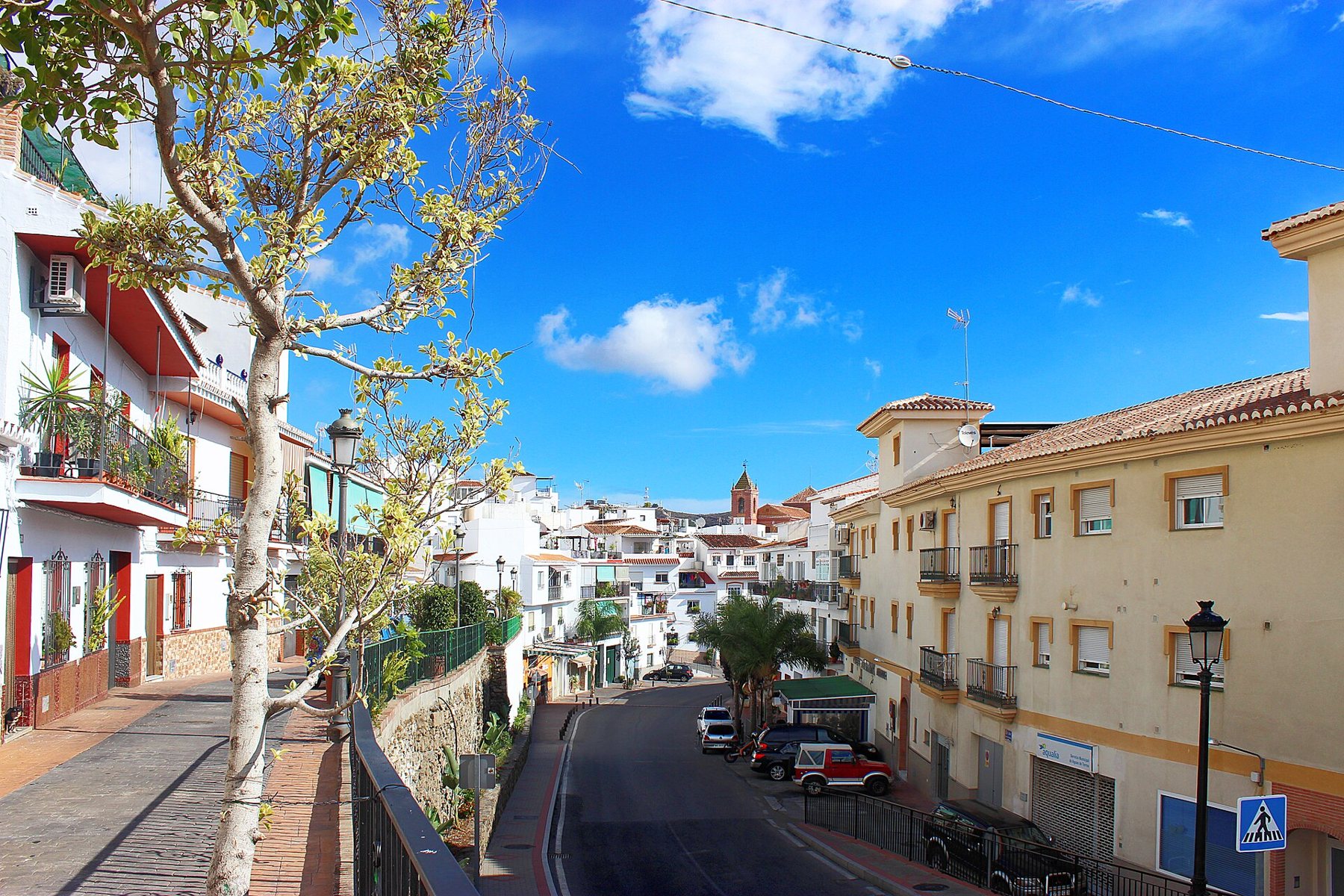
Cómpeta is a white mountain village on the south side of the Sierra de Almijara, approx. 47 km and a one-hour drive from Playa Tropical – the final kilometres from the coast are narrow and winding. The village is known for its sweet muscatel wine (moscatel) and its raisins. In the square stands the church of Nuestra Señora de la Asunción with a 30-metre-high ochre-coloured tower.
On 15 August, the village holds the Noche del Vino – the Night of Wine. According to Spanish Wikipedia, it began in 1973 when one of the villagers gave away all the wine drunk that evening. Today, grapes are trodden in the square, wine is handed out and it ends with flamenco at night. Other sources state 1974. Food to try: migas, potaje de hinojos (fennel stew) and fried pumpkin. Toilets: in the bars around the square.

Vélez-Málaga and Torre del Mar
Vélez-Málaga (50 km) is the main town in Axarquía and Spain's largest producer of avocados. At the top of the old town district, La Villa, stands the Moorish fortress with its restored main tower. From here you have a view over the town, the plain and the sea. By the coast lies Torre del Mar with a long family beach and promenade – and in the neighbouring town of Caleta de Vélez is the largest fishing fleet on the Costa del Sol. If you want to see an Osborne bull, it stands at Almayate just west of Torre del Mar (see the Osborne bull).
The town's biggest festival is the Real Feria de San Miguel in late September and early October. Torre del Mar holds its own festival for Santiago and Santa Ana in late July. Toilets: by the promenade in Torre del Mar in summer and in the cafes.
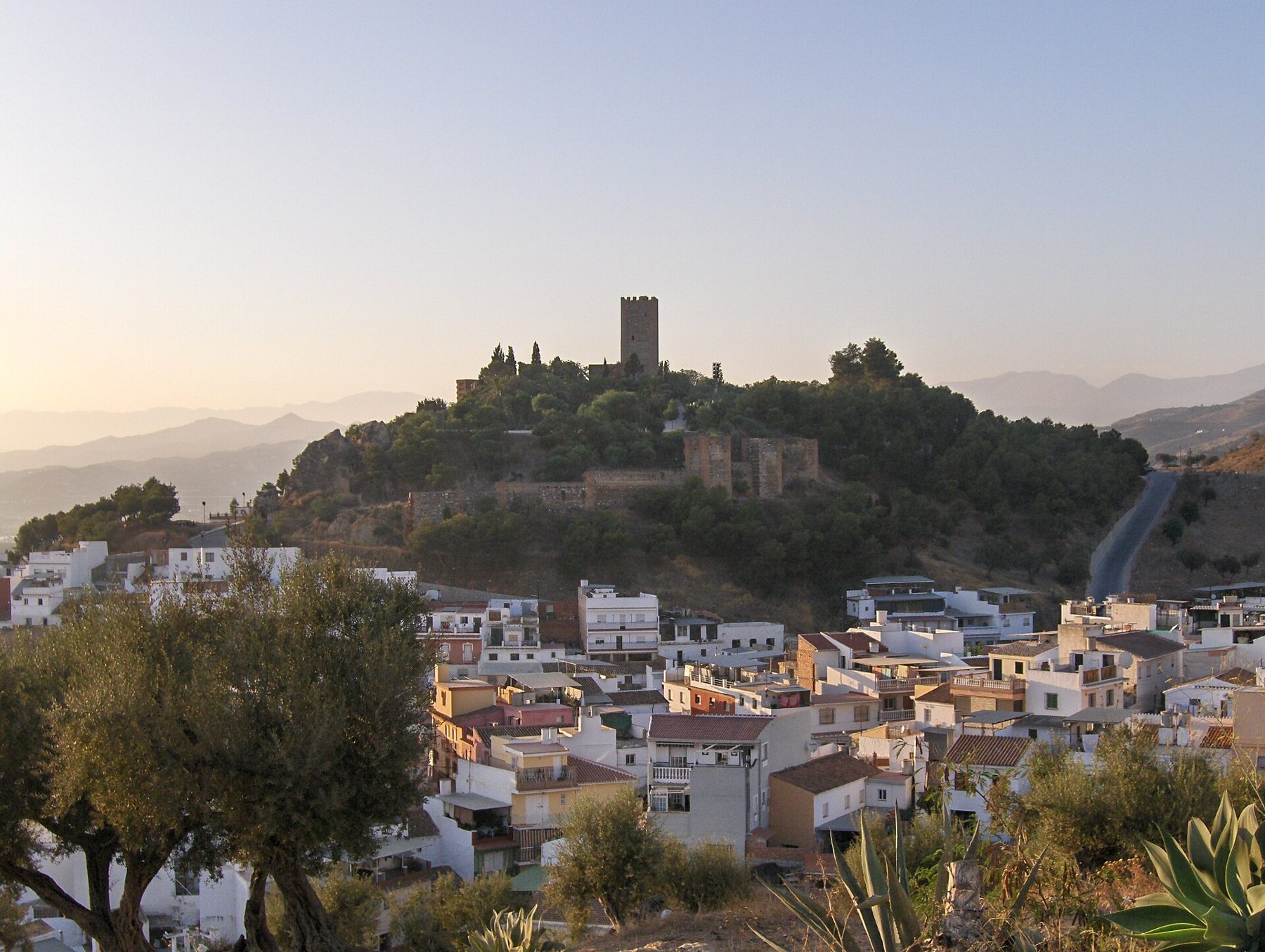
Guadix – the town of cave dwellings
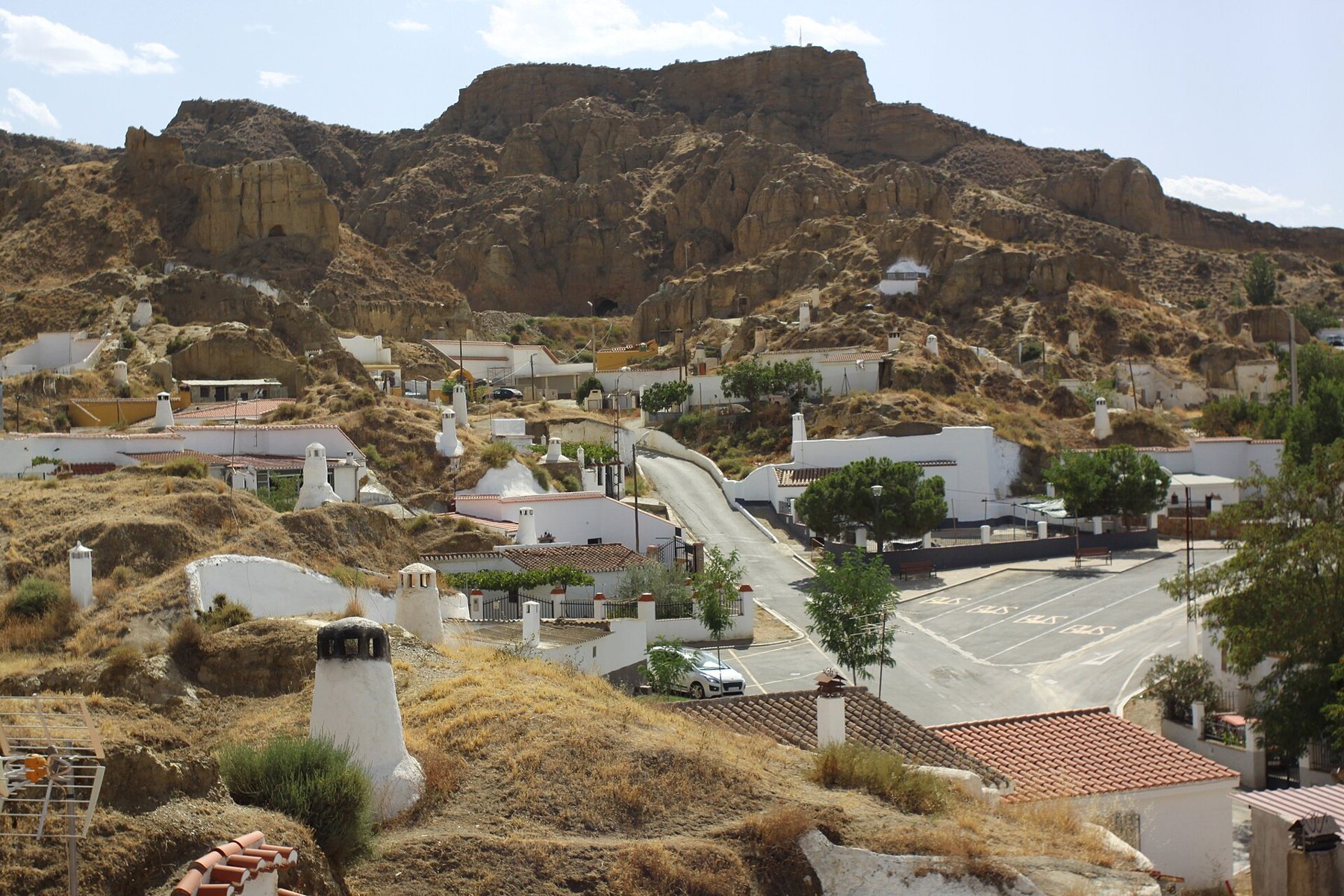
Guadix is 140 km away and approx. 1 hour 45 minutes by car, on the high plateau north of the Sierra Nevada (913 m above sea level). Drive via the A-44 to Granada and further east along the A-92. The town is known for its casas-cueva: homes carved into the soft clay hills, with white facades and chimneys sticking up out of the ground. Many people still live in them. Historians disagree on when the caves originated – some believe they were dug by the Moriscos after 1570, others that the poorest Christians made them after the Reconquista.
Start at the cave museum Centro de Interpretación Cuevas de Guadix (Cueva Museo) at Plaza del Padre Poveda. We have not been able to confirm opening hours and prices on an official website – check before you drive. The town also features the cathedral and the alcazaba, both listed monuments since 1931. On 9 September, Guadix holds Cascamorras, a festival shared with the neighbouring town of Baza, which has been designated a festival of international tourist interest since 2013. Guadix can be combined with Granada, but it is a long day – consider staying overnight, ideally in a cave hotel. Toilets: in the cafes.
Córdoba and Sevilla – far away, but worth it
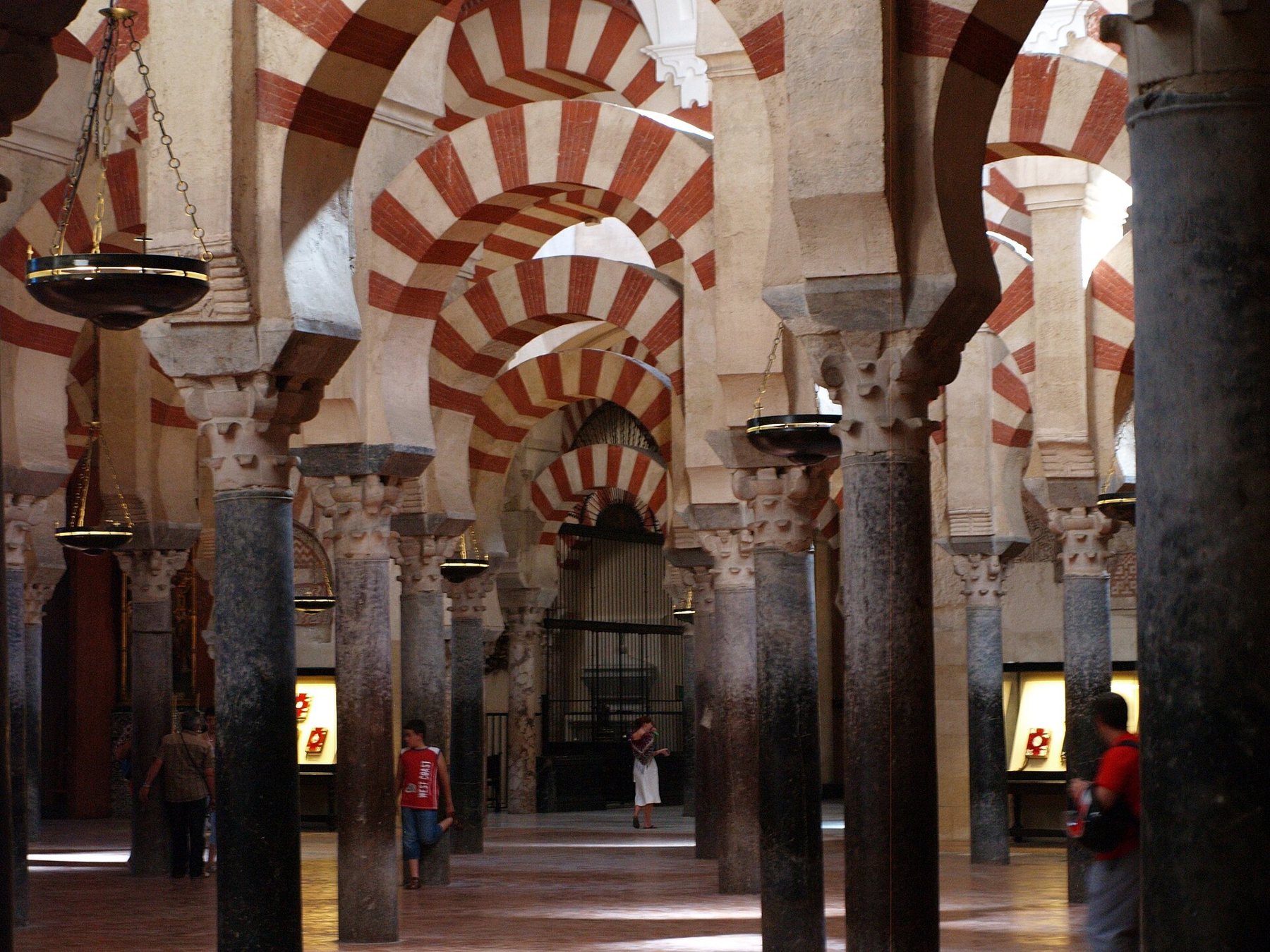
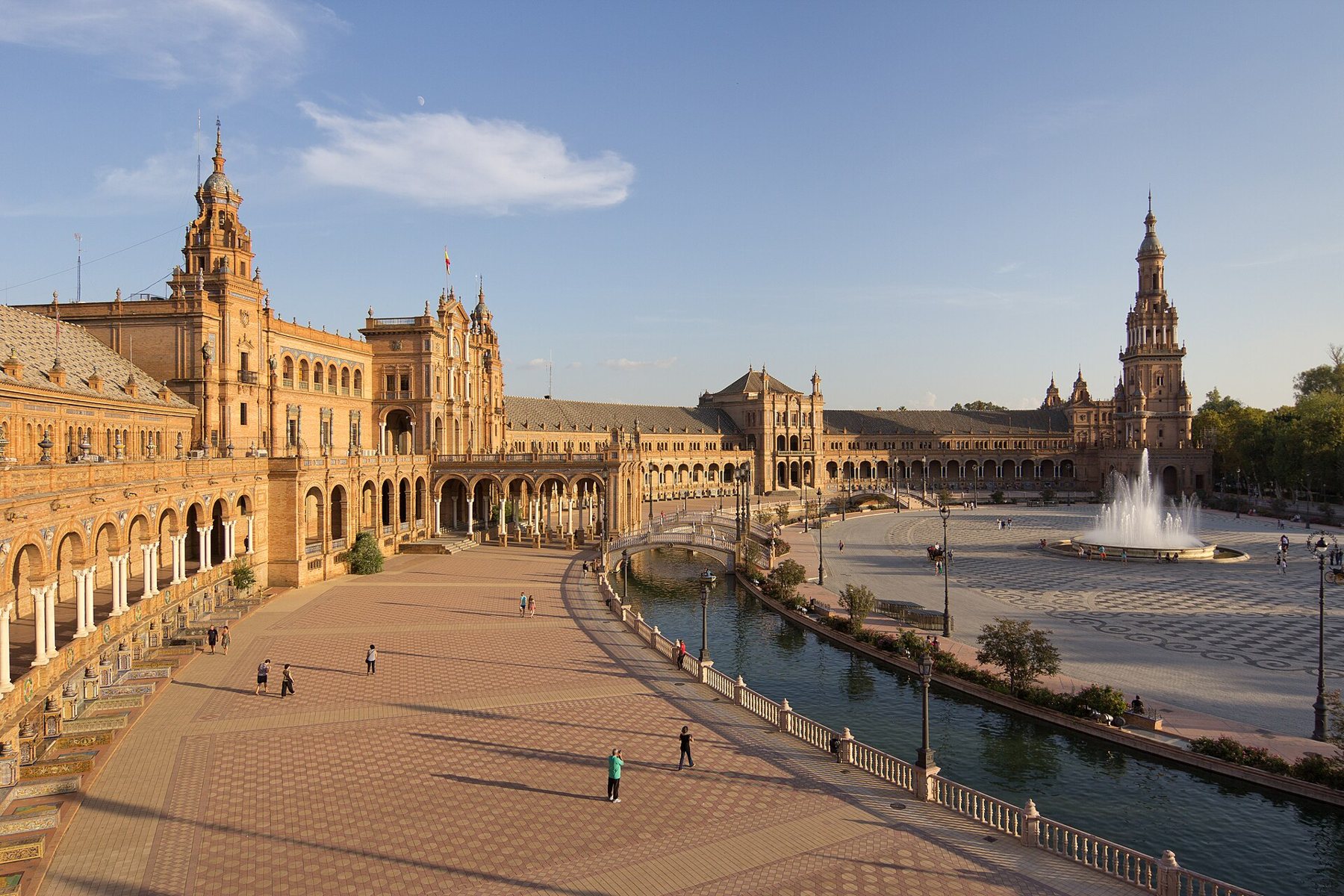
Córdoba is about 230 km away (approx. 3 hours by car). The town's main sight is the Mezquita-catedral: a grand mosque that Abderramán I – he who legend says landed in Almuñécar in 755 – began building in 786. After the Reconquista in 1236, it was turned into a cathedral, and today a church nave stands right in the middle of the forest of red and white arches. Sevilla is about 280 km away (approx. 3.5 hours). Here, the Real Alcázar, Europe's oldest royal palace still in use, together with the cathedral and the Archivo de Indias, has been on the UNESCO World Heritage list since 1987, alongside the Plaza de España from the 1929 exhibition.
Both cities are too far away for a day trip from Playa Tropical. Plan at least one overnight stay and book tickets for the Mezquita and the Alcázar on the official websites: mezquita-catedraldecordoba.es and alcazarsevilla.org. In summer, it often exceeds 40 degrees in both cities – go in spring or autumn. We have not looked into bus connections from Almuñécar.
Food on the excursions
- Espetos: sardines grilled on skewers over open coals in an old boat on the beach – in Málaga (Pedregalejo and Malagueta), Nerja and along the entire coast. See Málaga.
- Free tapas in Granada: in Granada you get a small dish included with every drink. See Granada and the Alhambra.
- Miel de caña: sugarcane honey from the El Ingenio factory in Frigiliana – try it on fried aubergines. See Frigiliana.
- Plato alpujarreño and ham from Trevélez: potatoes, eggs, sausage and ham – the hearty dish of the mountains. See The Alpujarras.
- Muscatel wine from Cómpeta and migas from Torrox and the mountain villages.
- Rum from Motril: taste it at Ron Montero.
- Cherimoya: from the fruit valleys near Jete, in season during winter. Buy them at the market. See the fruit valleys and the food traditions.
Remember that Spaniards eat late: lunch around 14:00 and dinner late in the evening. On weekdays, many restaurants offer a menú del día – a multi-course lunch menu at a fixed price. See also taste, eat and visit.
Toilets on the excursions
Public toilets are rare in Spain. The safest bet is to buy a coffee and use the cafe's toilet. Here is what we have found at the individual destinations:
| Location | Toilets |
|---|---|
| The castle, El Majuelo, Loro Sexi | Public toilets in El Majuelo and by Loro Sexi, also inside the bird park |
| The Nerja Caves | At the cave entrance, including accessible toilet |
| Frigiliana | Public toilet by Plaza del Ingenio and in the underground car park |
| The Alhambra | By the ticket office, in the Generalife and at the Nasrid Palaces |
| The Alpujarras | Free public toilet in Plaza de la Libertad in Pampaneira |
| Salobreña | By the beach and below the castle |
| Maro-Cerro Gordo | By Maro Beach. At Cantarriján and El Cañuelo only at the beach restaurants |
| Málaga | By the city beaches during the bathing season, toilet cabins including at Plaza de la Marina, in the museums |
| Sierra Nevada | At the cafes by Plaza de Andalucía in Pradollano. None above Hoya de la Mora in summer |
| Río Chíllar | None on the route – use the toilet in Nerja first |
Festivals all year round
Almost every town holds a festival for its patron saint, and many are worth driving for. The dates change slightly from year to year – always check the municipality's website. See also festivals and traditions.
| When | Where | Festival |
|---|---|---|
| Holy Week | Málaga and all towns | Semana Santa – processions in the streets |
| 3 May | Granada, Frigiliana, Almuñécar | Cruces de Mayo – flower crosses in the squares |
| 15 May | Nerja | San Isidro – the town processes to the chapel by the cave |
| May/June | Granada | Corpus Christi and the town's feria (2027: Corpus 27 May) |
| 24 June | Salobreña | San Juan |
| 15–17 July | Nerja | Virgen del Carmen – the fishermen's virgin is sailed out |
| 5 August | Sierra Nevada | Virgen de las Nieves – pilgrimage |
| 9–15 August | Almuñécar | Virgen de la Antigua – the town's biggest festival |
| Around 15 August | Motril | Virgen de la Cabeza and Motril's feria |
| 15 August | Cómpeta | Noche del Vino |
| August | Málaga | Feria de Málaga |
| 27–30 August 2026 | Frigiliana | Frigiliana 3 Cultures Festival |
| 9 September | Guadix | Cascamorras |
| Late September | Vélez-Málaga | Real Feria de San Miguel (extending into October) |
| Early October | Salobreña | Virgen del Rosario and Romería del Sur |
| Second week of October | Nerja | Feria de Nerja |
| 1 November | Capileira (The Alpujarras) | Mauraca – chestnut festival |
| November | Trevélez | Feria del Jamón – ham fair |
| The Sunday before Christmas | Torrox | Fiesta de las Migas |


Maps and routes
Red star = Playa Tropical. Click on a point for the name and distance. Map data © OpenStreetMap.
Open the route in Google Maps
- Walk to Castillo de San MiguelApprox. 2.3 km, 30 min along the promenade and uphill. By car: Parking El Altillo.
- Walk to El MajueloApprox. 2.5 km, 35 min along the promenade to the west.
- Walk to Loro SexiApprox. 2.5 km, 35 min along the promenade. Flat all the way.
- Walk to Peñón del SantoApprox. 2.5 km, 35 min along the promenade.
- Drive to the aquariumApprox. 2.9 km, approx. 7 min to the market hall underground car park.
- Walk to Plaza de MarruecosApprox. 2.6 km, 35 min. The bonsai museum is closed – the square is a free municipal garden.
- Walk to the Friday marketApprox. 1.5 km, approx. 20 min along the beach and up into town. Friday 9–14.
- Walk to Iglesia de la EncarnaciónApprox. 2 km, approx. 30 min up into the old town.
- Drive to Casa BarcoApprox. 4 km, approx. 10 min towards Cotobro. Or walk along the beach.
- Drive to La HerraduraApprox. 9 km, approx. 15 min along the N-340.
- Drive to CantarrijánApprox. 13 km, 20 min along the N-340. Shuttle bus from the car park in summer.
- Drive to the aqueduct at TorrecuevasApprox. 6 km, approx. 12 min up the A-4050 – the start of Carretera de la Cabra.
- Drive to JeteApprox. 11 km, approx. 20 min along the A-4050.
- Drive to OtívarApprox. 14 km, 25–30 min along the A-4050 through Jete.
- Drive to Ron MonteroApprox. 15 km, 20 min along the A-7 towards Motril.
- Drive to SalobreñaApprox. 12 km, 15–20 min along the N-340. Free parking by the town hall.
- Drive to the sugar museum in MotrilApprox. 17 km, approx. 25 min along the A-7.
- Drive to the Nerja CavesApprox. 24 km, 25–30 min along the A-7. Parking at the cave.
- Drive to Río ChíllarApprox. 25 km, 30 min. The river walk is closed – check status first.
- Drive to FrigilianaApprox. 29 km, 35 min along the A-7 via Nerja.
- Drive to TorroxApprox. 33 km, approx. 35 min along the A-7.
- Drive to Torrox CostaApprox. 35 km, approx. 35 min along the A-7.
- Drive to CómpetaApprox. 47 km, approx. 1 hour – the last km are winding mountain roads.
- Drive to Vélez-MálagaApprox. 50 km, approx. 50 min along the A-7.
- Drive to the Osborne bullApprox. 50 km, approx. 50 min along the A-7 and the old N-340.
- Drive to MálagaApprox. 76 km, approx. 1 hour 10 min along the A-7.
- Drive to the AlhambraApprox. 78 km, 1 hour–1 hour 15 min along the A-7 and A-44.
- Drive to PampaneiraApprox. 57 km, 1 hour 10 min – winding roads for the final stretch.
- Drive to the Sierra NevadaApprox. 104 km, approx. 1.5 hours along the A-7, A-44 and A-395.
- Drive to GuadixApprox. 140 km, approx. 1 hour 45 min along the A-7, A-44 and A-92.
- Drive to CórdobaApprox. 230 km, approx. 3 hours. Best with an overnight stay.
- Drive to SevillaApprox. 280 km, approx. 3.5 hours. Best with an overnight stay.
- Round trip to the west: the coast to Nerja and homeLa Herradura, Cantarriján, the Nerja Caves and Frigiliana – and back along the A-7.
- Round trip to the east: Salobreña, sugar and rumSalobreña, the sugar museum in Motril and Ron Montero – and home.
- Walk in Almuñécar: below the castlePeñón del Santo, Loro Sexi, El Majuelo and the castle – and home along the beach.
The routes start at Playa Tropical. On mobile devices, they open directly in the Google Maps app, ready for navigation.
Good advice
- Check opening hours on the day. Many places close on Mondays (the castle, Loro Sexi in winter) or Tuesdays (the aquarium), and many close for lunch from approx. 13:30 to 16:00–17:00.
- Book the Alhambra well in advance. Tickets often sell out weeks ahead, and the Nasrid Palaces can only be visited at the exact time stated on the ticket.
- Drive early in summer. The car parks by the beaches in Maro-Cerro Gordo and at the Nerja Caves fill up before 10:00 in July and August.
- Take the coastal road one way. The N-340 to the west takes longer than the A-7, but the view is worth it.
- Warm clothes for the mountains. The Sierra Nevada and the Alpujarras can be 15–20 degrees colder than the beach, and in winter you must bring snow chains or winter tyres.
- Bring cash. Small bars, markets and some ticket offices in the villages do not always take cards – the castle in Salobreña, on the other hand, only takes cards.
Two of the destinations are closed: the river walk in Río Chíllar has been closed since August 2023, and the bonsai museum in Almuñécar closed in 2022. The Festival de la Cueva de Nerja was cancelled in 2026. Read the articles for the latest status.
Sources
- Our own excursion articles (fact-checked October 2026) – the sources for prices, opening hours and toilets are listed in each article
- Motril Turismo: opening hours for sights, May 2026 (sugar museum)
- Costa Tropical: Museum of Pre-industrial Sugar Cane (content, admission)
- Wikipedia (es): Motril (sugar history, Virgen de la Cabeza)
- Wikipedia (es): Torrox (El Faro, Roman town)
- Andalucía.org: Migas Fiesta in Torrox and Festivales de España (2026 date)
- Wikipedia (es): Cómpeta and Andalucía.org: Night of Wine in Cómpeta
- Wikipedia (es): Vélez-Málaga and Torre del Mar
- Wikipedia (es): Guadix and Andalucía.org: Cueva Museo, Guadix
- Wikipedia (es): Mezquita-catedral de Córdoba and Real Alcázar de Sevilla
- Driving distances to places without their own article: OSRM route planner on OpenStreetMap data, October 2026
- Coordinates: OpenStreetMap contributors (ODbL)
Krone amounts are converted at 1 € ≈ 7.46 kr. and rounded.

