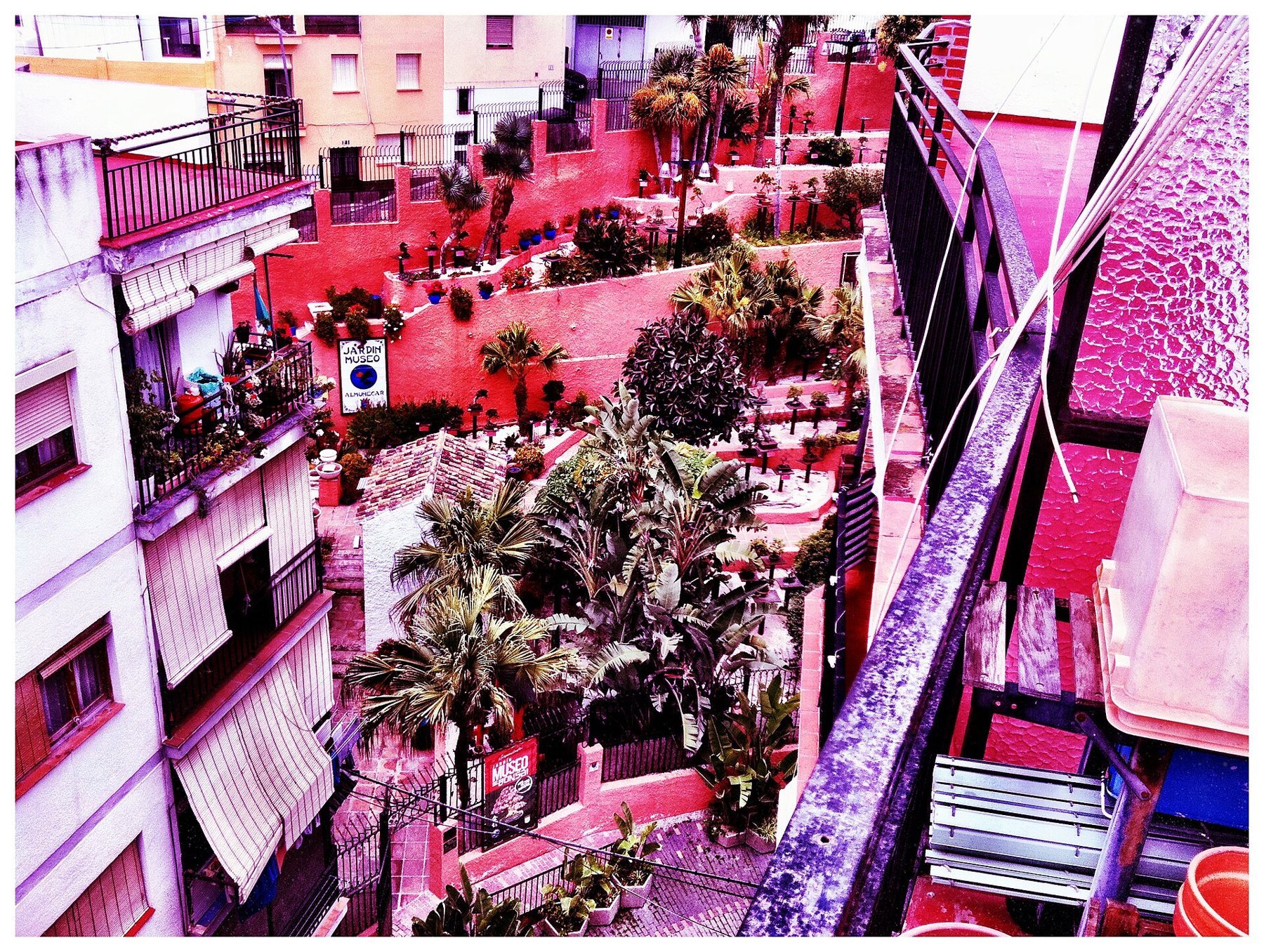
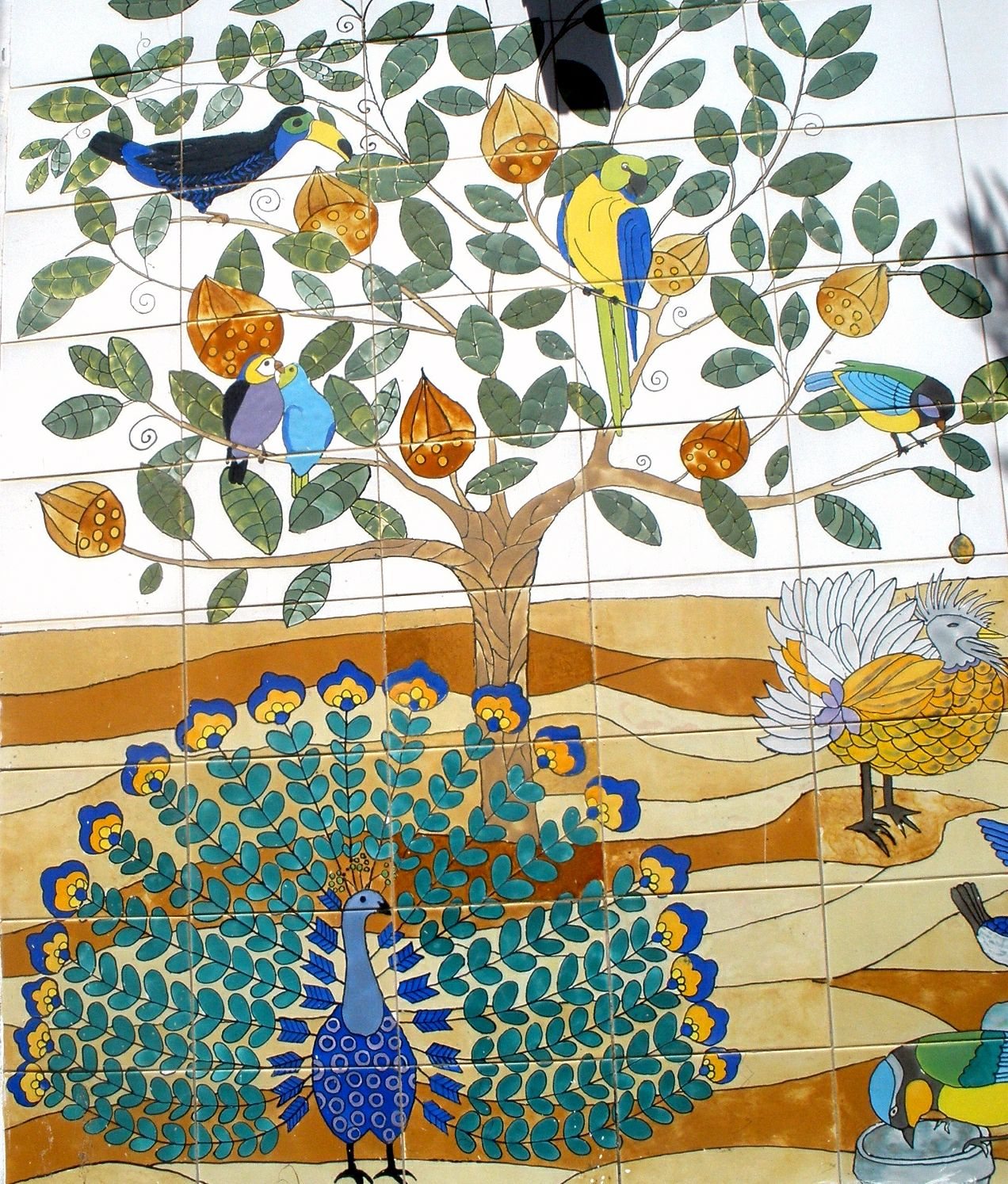
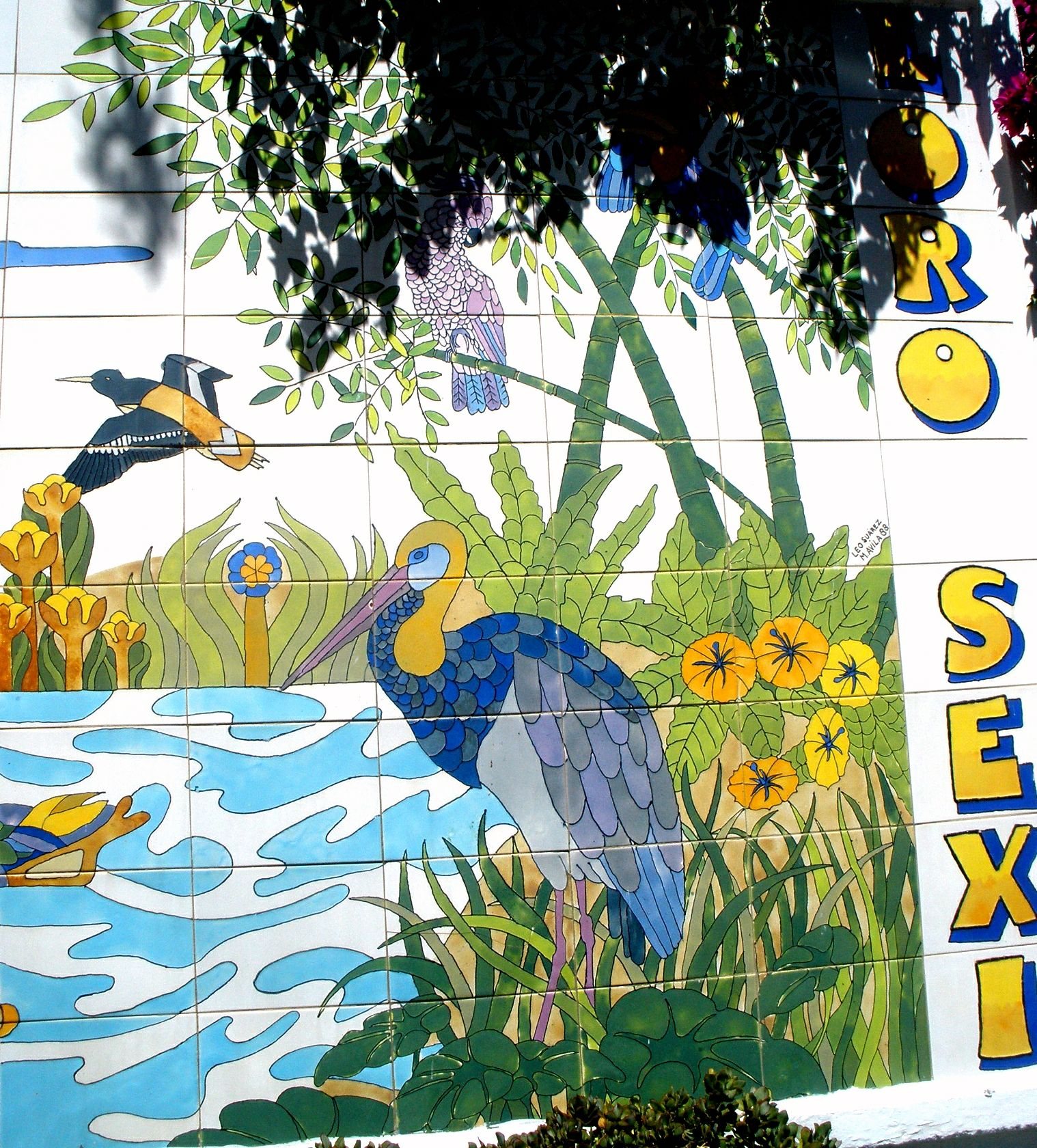
The Loro Sexi bird park is located right below the castle in Almuñécar, 100 metres from the beach. Around 1,500 birds live here: macaws, cockatoos, peacocks and swans, plus lemurs and a cactus garden at the top. The park is open all year round, admission costs €4 (≈ 29.84 kr.), and a visit takes about an hour. Here is a guide to the park, the way there along the beach and the rest of the neighbourhood below the castle.
A bird park from 1987
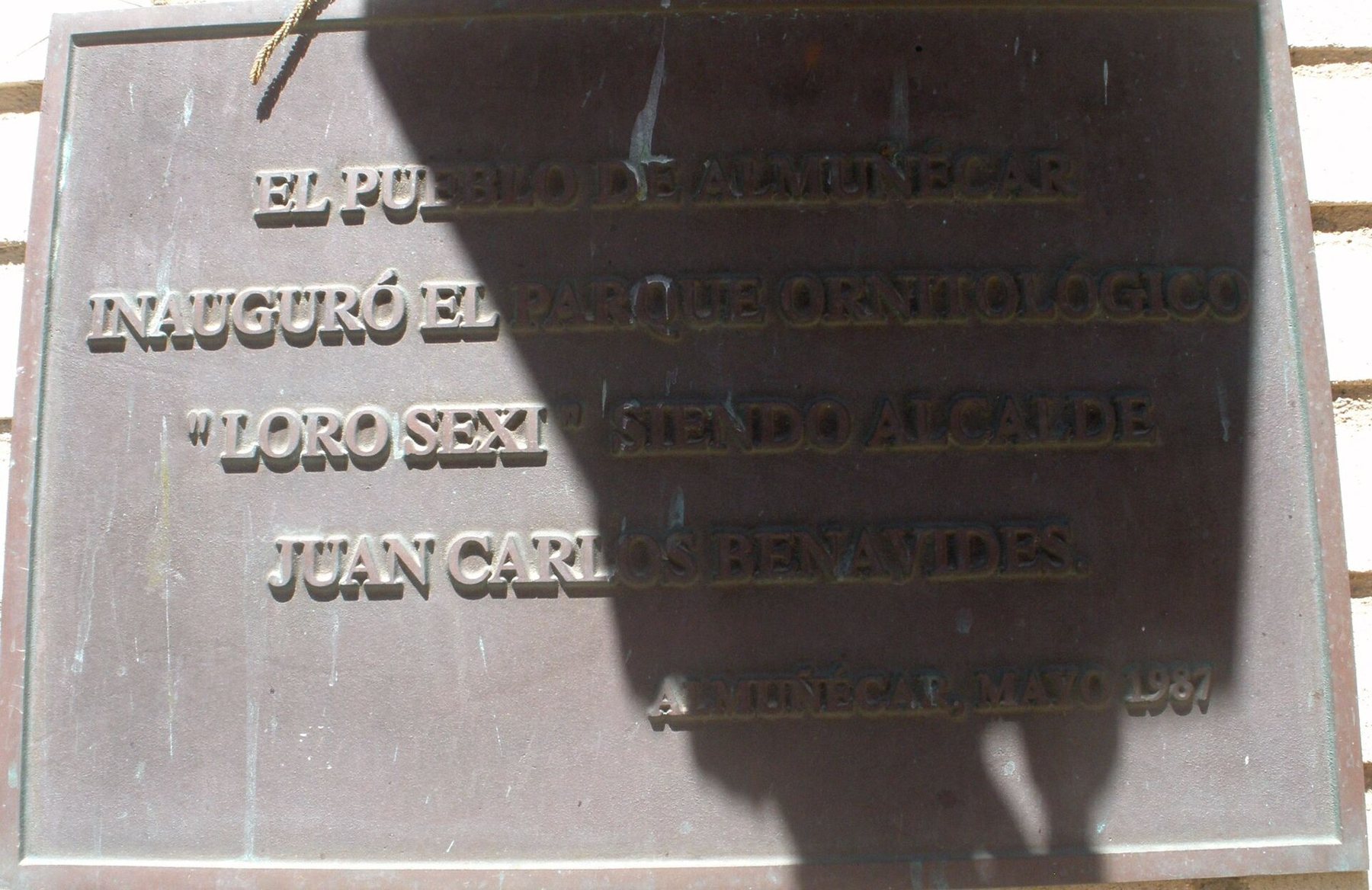
Loro Sexi was inaugurated in May 1987. It says on the bronze plaque at the entrance: "The people of Almuñécar inaugurated the Loro Sexi bird park when Juan Carlos Benavides was mayor." The park is municipal and run by the city's parks and gardens department, and it is open all year round.
The name is a small play on words. Loro means parrot, and Sexi is the old name for Almuñécar from Phoenician and Roman times. Therefore, the town's residents still call themselves sexitanos. Read more about the town's history in The Phoenicians' Sexi, the Romans' fish sauce and the Moors' castle.
The park is located on the slope at the foot of Castillo de San Miguel. According to the park's own website, around 1,500 birds of more than 100 species live here, ranging from ordinary pigeons to peacocks, parrots, toucans, cockatoos, macaws, swans and ducks. Other sources state 200 species. In 2024, there were 20,500 visitors.

Guide: how to walk around the park
The park is built in terraces up the slope. You start at the bottom and walk up paths and stairs until you are beneath the castle walls. The lakes are in the middle of the park and the cactus garden at the top. Allow an hour. In summer, the entire visit takes place outdoors, so come early in the morning or late in the afternoon.
1. The ticket office and entrance
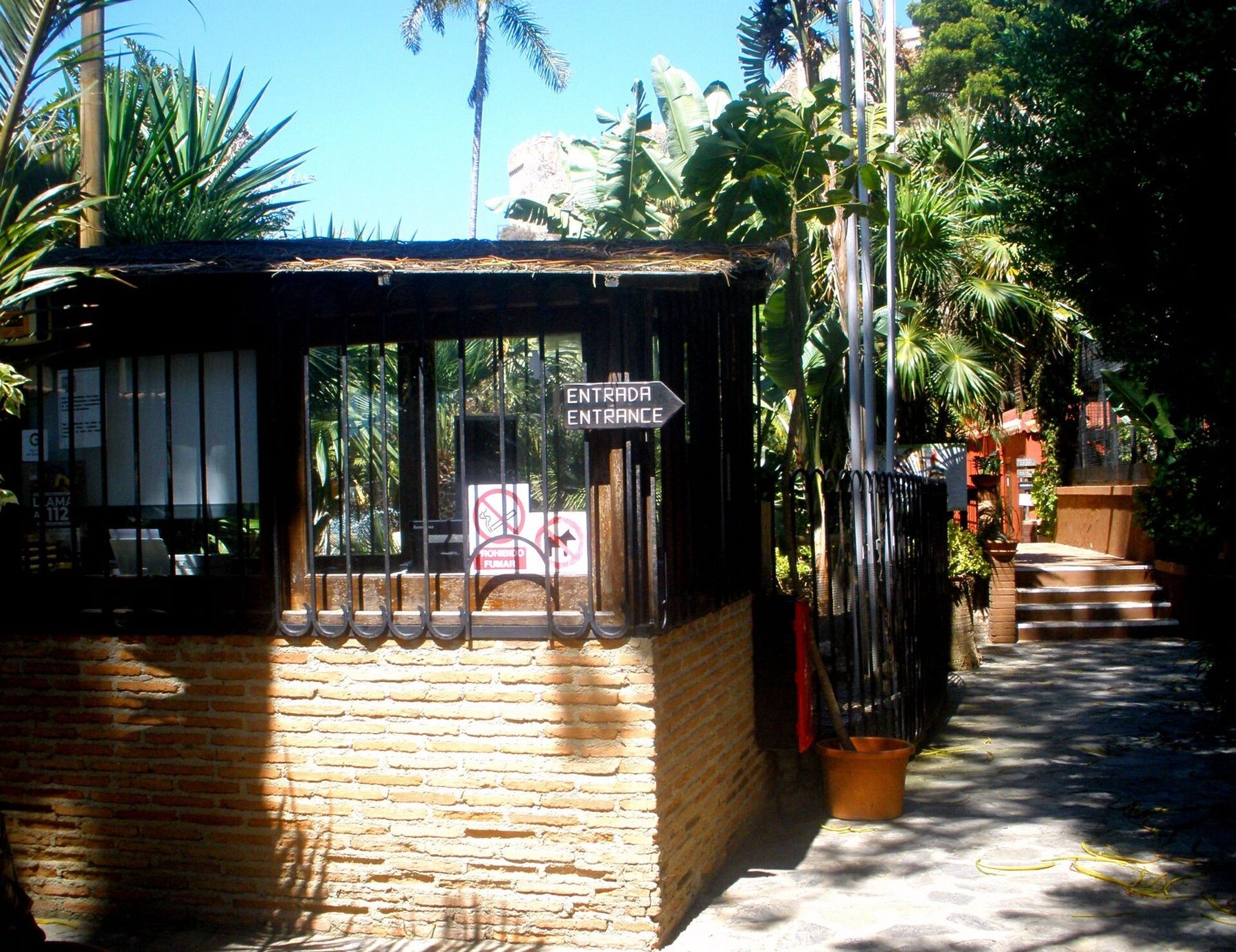
The entrance is on Calle Bikini by Plaza San Cristóbal, right opposite the beach. This is where you buy your ticket in the small brick ticket booth. Smoking and dogs are not allowed – as indicated by the signs by the gate.
2. The parrots in the aviaries
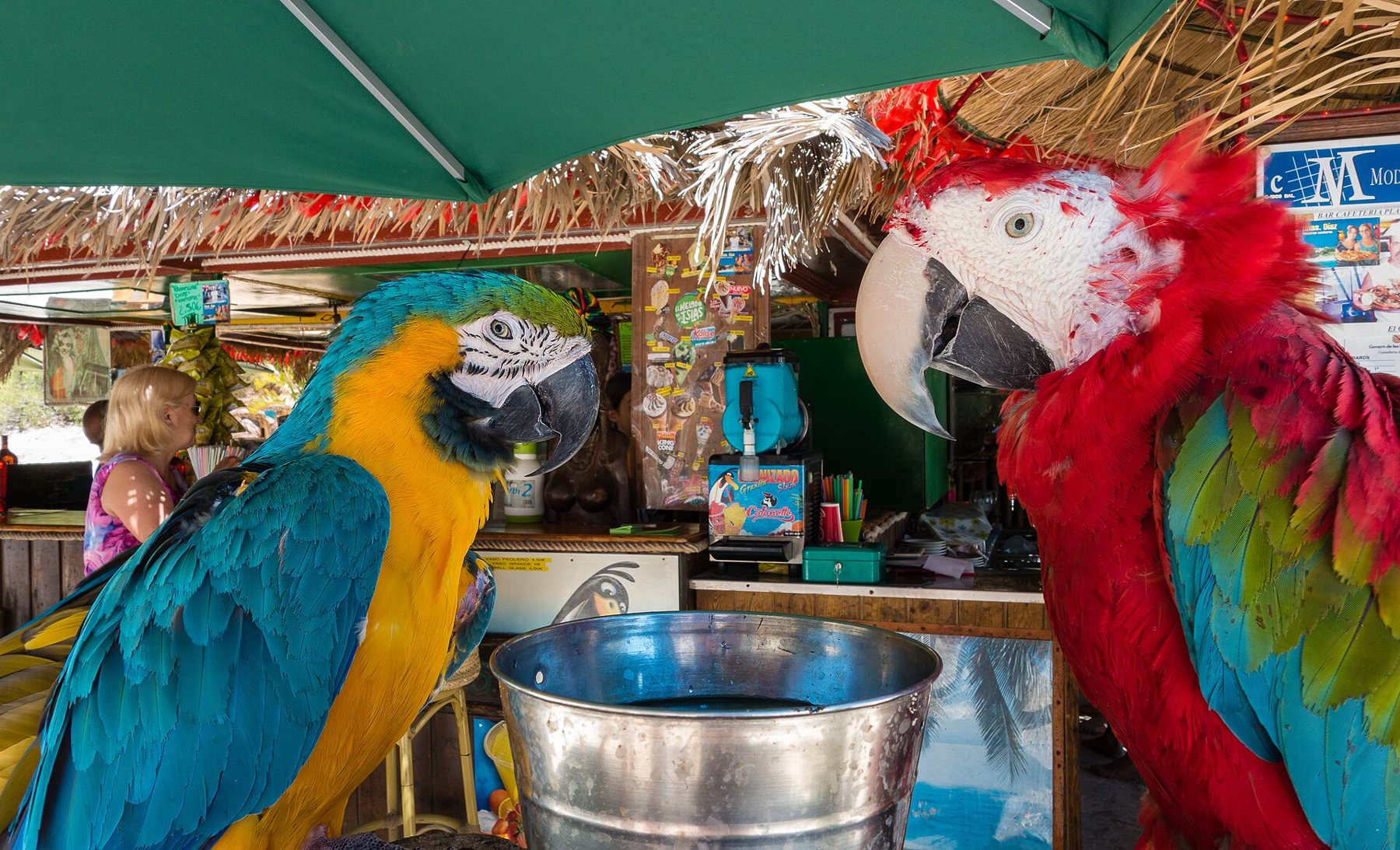
Aviaries with parrots can be found everywhere in the park. Here you will find macaws from South America, including the blue-and-yellow macaw and the red-and-green macaw, cockatoos from Australia and the islands north of it, several types of amazon parrots, parakeets and the colourful lorikeets. Some of the birds have ended up here because their owners could no longer care for them. In 2023, for example, pairs of rainbow lorikeets, sun parakeets and blue-fronted amazons arrived. The owners mentioned that the keepers call the birds by their names.
The most famous resident is the macaw Lolo, who was 59 years old in August 2026. Lolo has given his name to the children's book El lorito Lolo, which was presented in the park on 22 August 2026. In the spring of 2021, a pair of red-and-green macaws had three chicks, Luma, Lulu and Line. The mother had an injury to her beak, so the keepers hand-reared the chicks.
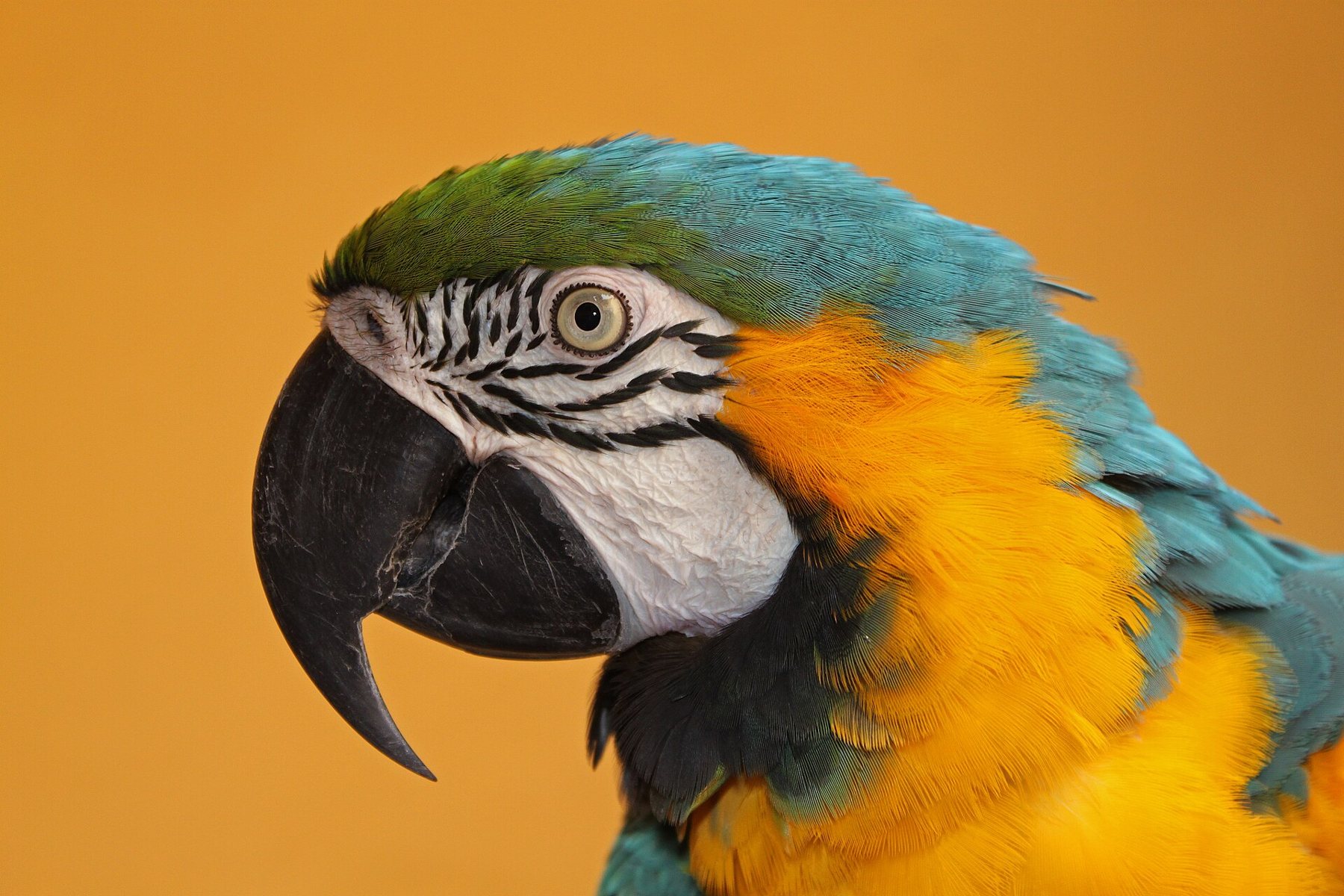
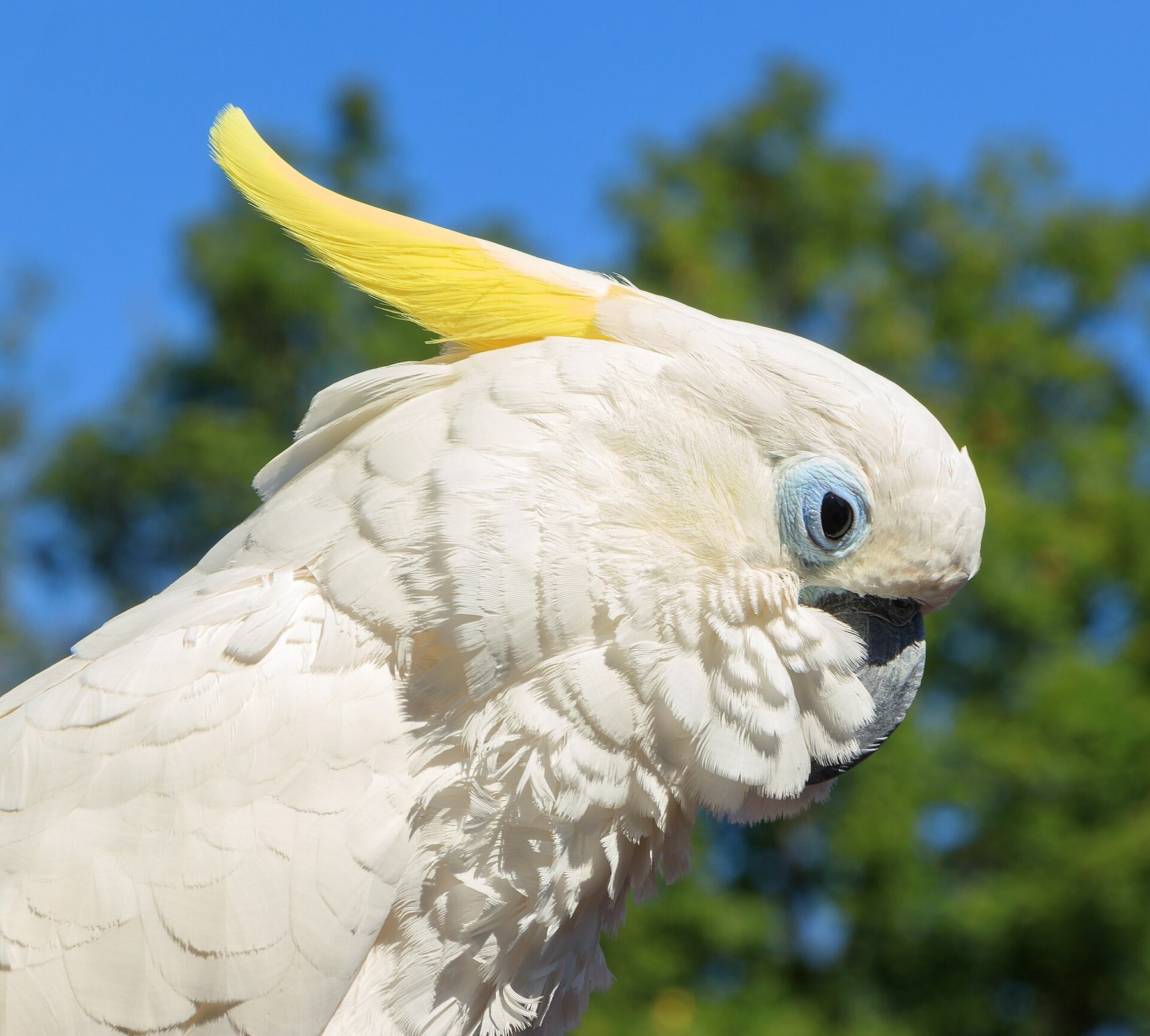
3. The lakes and large birds
In the middle of the park are two small lakes with swans, geese and ducks. This is also where the peacocks roam, along with grey crowned cranes, ibises and hornbills. In 2012, the park received a new 205 m² aviary for the crowned cranes.
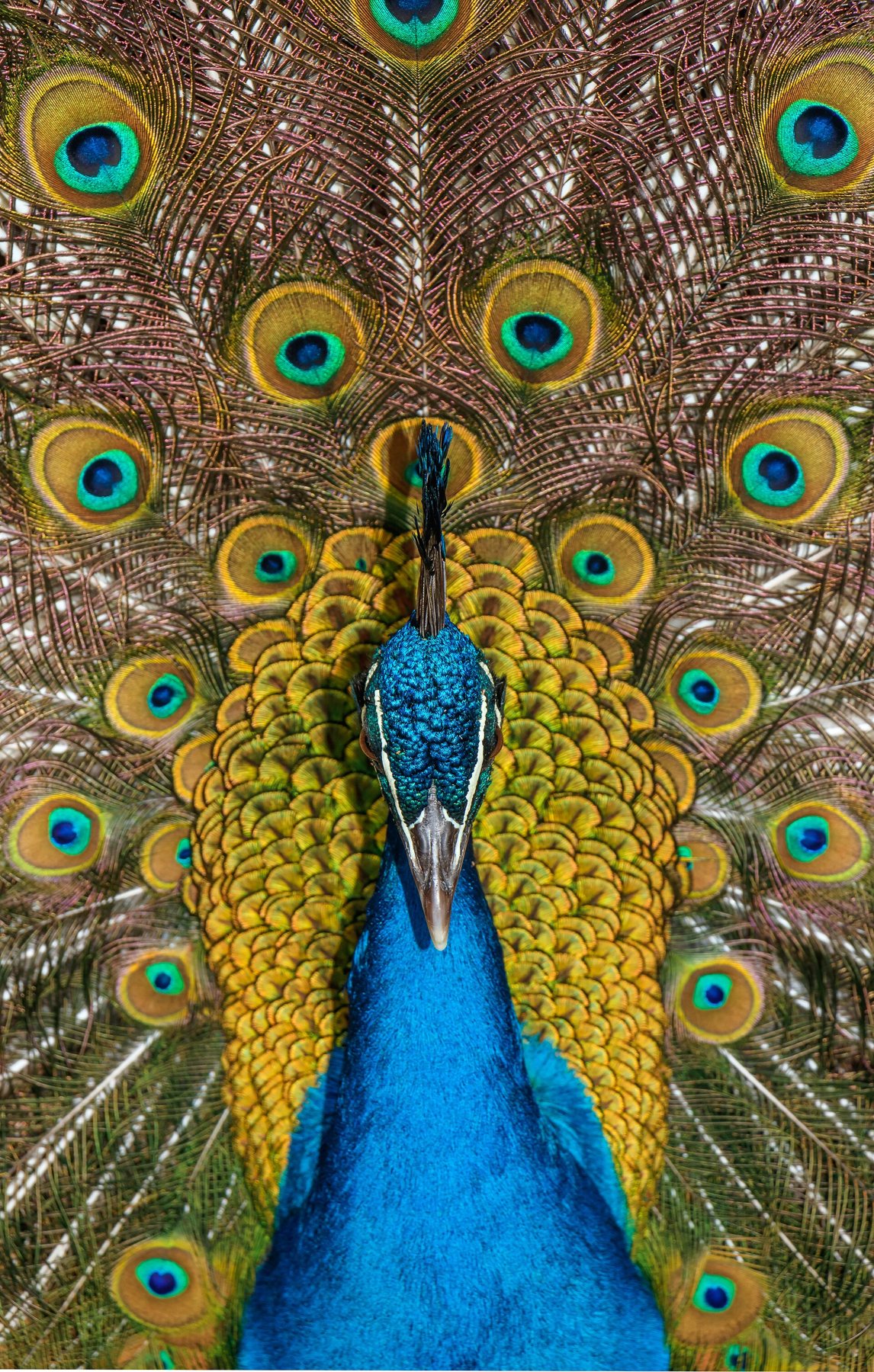
4. The lemurs
It's not just birds. The park has a troop of ring-tailed lemurs from Madagascar. The most famous is Julien, who is 12 years old. In July 2026, Julien and the keepers received a trophy from the mayor because Julien had "predicted" Spain's victory over Argentina in the Football World Cup by choosing the food bowl with the Spanish flag. The park has also welcomed baby lemurs. The babies are born with fur and open eyes, and their eyes remain blue until they reach adulthood. According to some sources, there are also meerkats and tortoises. In 2025, the tortoises got a new enclosure.
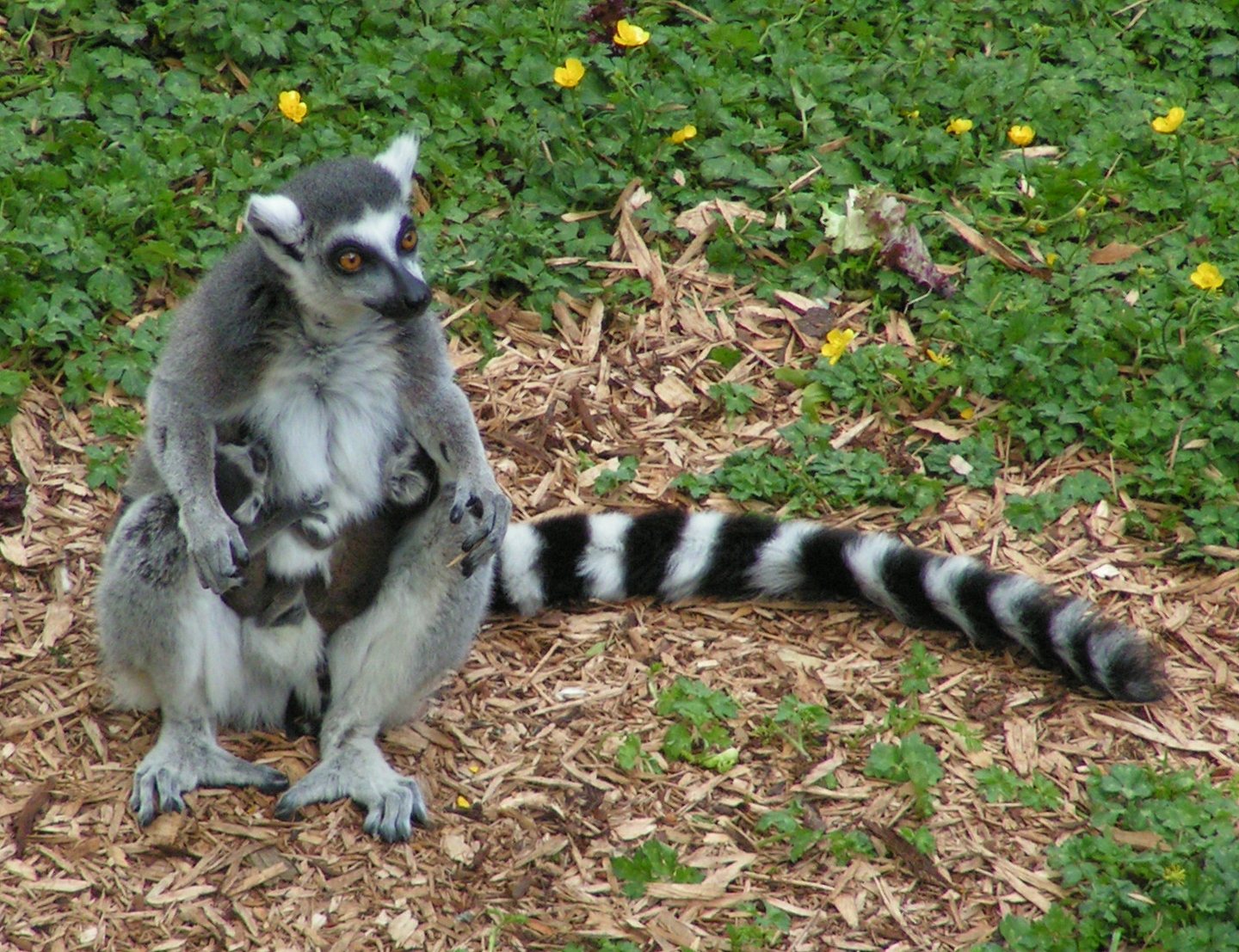
5. The cactus garden at the top
The uppermost level is a botanical garden at the foot of the castle walls. Along paved paths you can see 47 plant species, featuring cacti and other drought-resistant plants. The cactus garden is one of the most popular spots in the park, offering views over the town and the sea. When you come back down, you can continue to the castle or El Majuelo.

Children in Loro Sexi
- Price: The municipality simply states "children €2 (≈ 14.92 kr.)". According to other sources, the child price applies to children aged 4–12, and children under 4 enter for free. This is not stated on the municipality's website.
- Time: An hour is well-suited for short legs, but there are many stairs.
- Pram: There are stairs everywhere and no ramps. Bring a baby carrier instead.
- For schools: Local schools get in for free on nature school visits. In August 2026, around 100 children from a summer school were "keepers for a day" and saw how the animals are fed.
- Parrot show: A tourist website writes that there is a parrot show for children during the summer. We have not been able to confirm this for 2026 – ask at the ticket office.
- Combine with the aquarium: Acuario de Almuñécar by Plaza Kuwait is located approx. 600 m north of the park (as the crow flies). Granada Direct recommends combining the two. We have not checked the aquarium's times and prices for this article.
How to get there
On foot: This is the easiest way. Head out onto the promenade and follow it west along Playa de Velilla and Playa Puerta del Mar. When you reach the castle, continue along the beach to Plaza San Cristóbal, where the entrance is located right by the Peñón del Santo cliff. The walk is approx. 2.5 km and takes about 35 minutes. It is flat the whole way.
By bus: City bus line 3A Velilla–Taramay runs between Velilla and the town centre. A ticket costs €1 (≈ 7.46 kr.) (as of October 2026). OpenStreetMap shows the stops Peñón del Santo on Plaza San Cristóbal and Calle Geraneos right by the park, but we have not been able to confirm which lines stop there. The timetable is only available as images on urbanosalmunecar.es. ALSA long-distance buses are not needed for this trip. See also buses.
By car: It is 2.2 km and about 6 minutes to the municipal underground car park Parking El Altillo by Paseo del Altillo. It is open 24 hours a day and is a paid car park (we have not been able to confirm the price). From there it is approx. 550 m and a 7-minute walk along the beach to the entrance. We have not found parking by the park, and Calle Bikini is a narrow one-way street. See also parking.
The buttons below the map will open the route directly from Playa Tropical in Google Maps.
Sights along the way
If you walk along the beach, you will pass these places in this order:
- El Upa – the small fishing cutter on the grass by Paseo de Velilla, just 4 minutes from Playa Tropical. Read the history.
- Playa Puerta del Mar – the town's main beach with the castle at the end and beach bars all the way.
- Monumento a los Fenicios on Paseo del Altillo – the monument to the Phoenicians who founded Sexi almost 3,000 years ago. They are who the park gets its name from.
- Parque El Majuelo – the botanical garden with palms and Roman fish-salting vats, right next to Loro Sexi. Free. Read more.
- Abderramán I and Peñón del Santo – the statue of the emir stands at the foot of the cliff, approx. 100 m from the bird park entrance. Walk up to the cross and the view afterwards. Read more.


Combine with the castle
The Castillo de San Miguel castle is located directly above the park. A joint ticket for the castle and the Cueva de Siete Palacios museum costs €4 (≈ 29.84 kr.) for adults and €2.50 (≈ 18.65 kr.) for children and pensioners, and there is free admission on Fridays from 10am to 1.30pm. The castle is closed on Mondays (Granada province official website, October 2026). There are also many stairs in the castle. Read more in Castillo de San Miguel, the museums and the Roman aqueduct.
Loro Sexi closes in the middle of the day. A good itinerary is therefore: bird park at 10.30am, lunch by the beach and in the afternoon the castle or El Majuelo.
Food and drink
The park's list of facilities does not mention a café. Bring a bottle of water in the summer. Right outside the entrance are the beach bars on Playa San Cristóbal and Puerta del Mar. This is where you should order the coast's classic, espetos: sardines on a skewer, grilled over a fire on the beach. In the town around Plaza de la Constitución there are many cafés and tapas bars. In autumn and winter it is the season for cherimoya, the coast's green fruit, which you can buy in the Market Hall (Monday–Saturday 8am–3pm). We have not checked the restaurants and therefore do not mention any specific ones. See food traditions and 3x10 things you must taste, eat and visit.

Toilets
- In the park: The park's own website mentions toilets (servicios) among its facilities. It does not state where they are located.
- Right by the entrance: a public toilet on Plaza San Cristóbal, 10–15 m from the bird park entrance (OpenStreetMap).
- El Majuelo: public toilet in the botanical garden next door (OpenStreetMap).
- By the beach: another public toilet by Plaza San Cristóbal, approx. 150 m west of the entrance (OpenStreetMap).
- The cafés: Buy a cup of coffee and you are generally welcome to use the toilet.
We do not know whether the public toilets charge a fee or if they remain open year-round.
Traditions and festivals
The square in front of the bird park and San Cristóbal beach is the centre of two of the town's major festivals:
- Virgen del Carmen, 16 July: The fishermen's festival. The Virgin is carried through the Los Marinos fishing district from 6pm, and around 9pm boats accompany her out to sea off San Cristóbal – from Peñón del Santo to Rincón de la China. The evening ends with fireworks.
- Virgen de la Antigua, 9–15 August 2026: The town's patron saint is celebrated with a week of funfairs and festivities. On 15 August the Virgin is taken by boat from San Cristóbal to Paseo del Altillo, and there are fireworks.
- Cruces de Mayo in May: flower-decorated crosses around the town, including in El Majuelo.
The park is also a regular excursion destination for schools on the coast. According to the park's website, over 300 pupils and teachers visited during the course of a spring (the year is not stated). See all the town's festivals on the festival page.
Maps and routes
Red star = Playa Tropical. Click on a point for the name and distance. Map data © OpenStreetMap.
Open the route in Google Maps
- Walk from Playa Tropical to Loro SexiApprox. 2.5 km, about 35 min along the promenade to the west. Flat all the way. The entrance is by Plaza San Cristóbal.
- Along the beach with stopsEl Upa, Monumento a los Fenicios and El Majuelo – and finally the bird park. Approx. 2.6 km on foot.
- Drive from Playa Tropical to Parking El AltilloApprox. 2.2 km, about 6 min. Paid underground car park. From there 550 m (7 min) on foot along the beach to the bird park.
- Walk from Parking El Altillo to Loro SexiApprox. 550 m, 7 min along the beach below the castle.
- Round trip below the castle and homeThe bird park, Peñón del Santo, the castle and El Majuelo – and home along the beach. Stairs by the cliff and the castle.
The routes start at Playa Tropical. On mobile devices, they open directly in the Google Maps app, ready for navigation.
Good advice
- Check the day. From October to March it is closed on Mondays. OpenStreetMap says Tuesday, but the local council says Monday. Call 958 635 617 if you want to be sure.
- Come in the morning. The park closes at 13:30 and doesn't reopen until the afternoon. The ticket office closes half an hour before.
- Good shoes. There are stairs everywhere and the paths are cobbled. The park is not suitable for wheelchairs, walking frames or pushchairs.
- Bring water and a sun hat in summer. The whole visit takes place outdoors.
- Groups: If you are at least 25 people, it costs €3.50 (≈ 26.11 kr.) for adults and €1.50 (≈ 11.19 kr.) for children and pensioners. Groups must register in advance at reservasparqueszoologicos@almunecar.es.
- Make a day of it. The castle, El Majuelo, Peñón del Santo and the beach bars are all within a few hundred metres.
Sources
- Ayuntamiento de Almuñécar: Parque Loro Sexi – opening hours and prices (Internet Archive copy from 19-05-2026; the official page almunecar.es/parque-loro-sexi blocks visits from outside Spain)
- Parque Loro Sexi – official park website (Internet Archive copy from May 2026: Conócenos, Instalaciones, Jardín Botánico, Lémur de cola anillada, news)
- Turismo Almuñécar: Parque Ornitológico Loro Sexi
- Costa Digital 21-08-2026: Feathers for a day and the park as a home for animals
- Almuñécar Comunicación 19-08-2026: El lorito Lolo – the 59-year-old macaw
- Andalucía Informa 21-07-2026: The lemur Julien, inauguration in May 1987, prices
- The Seaside Gazette 24-06-2025: Popular Bird Park (20,500 visitors, tortoises, cactus garden)
- The Seaside Gazette 01-10-2023: New Inmates at Loro Sexi
- Euro Weekly News 20-07-2021: Three baby macaws and 19-03-2012: New aviary for crowned cranes
- Granada Direct (updated 01-09-2026): Parque Loro Sexi – prices, times and stairs
- Discover Almuñécar (2021): Parque ornitológico Loro Sexi
- Diputación de Granada: Castillo de San Miguel – opening hours and prices
- Urbanos Almuñécar: Line 3A Velilla–Taramay
- 101TV: Virgen del Carmen on the Costa Tropical
- Festivales de España: Fiestas Virgen de la Antigua 2026
- Coordinates: OpenStreetMap contributors (ODbL)
Krone amounts are converted at 1 € ≈ 7.46 kr. and rounded.