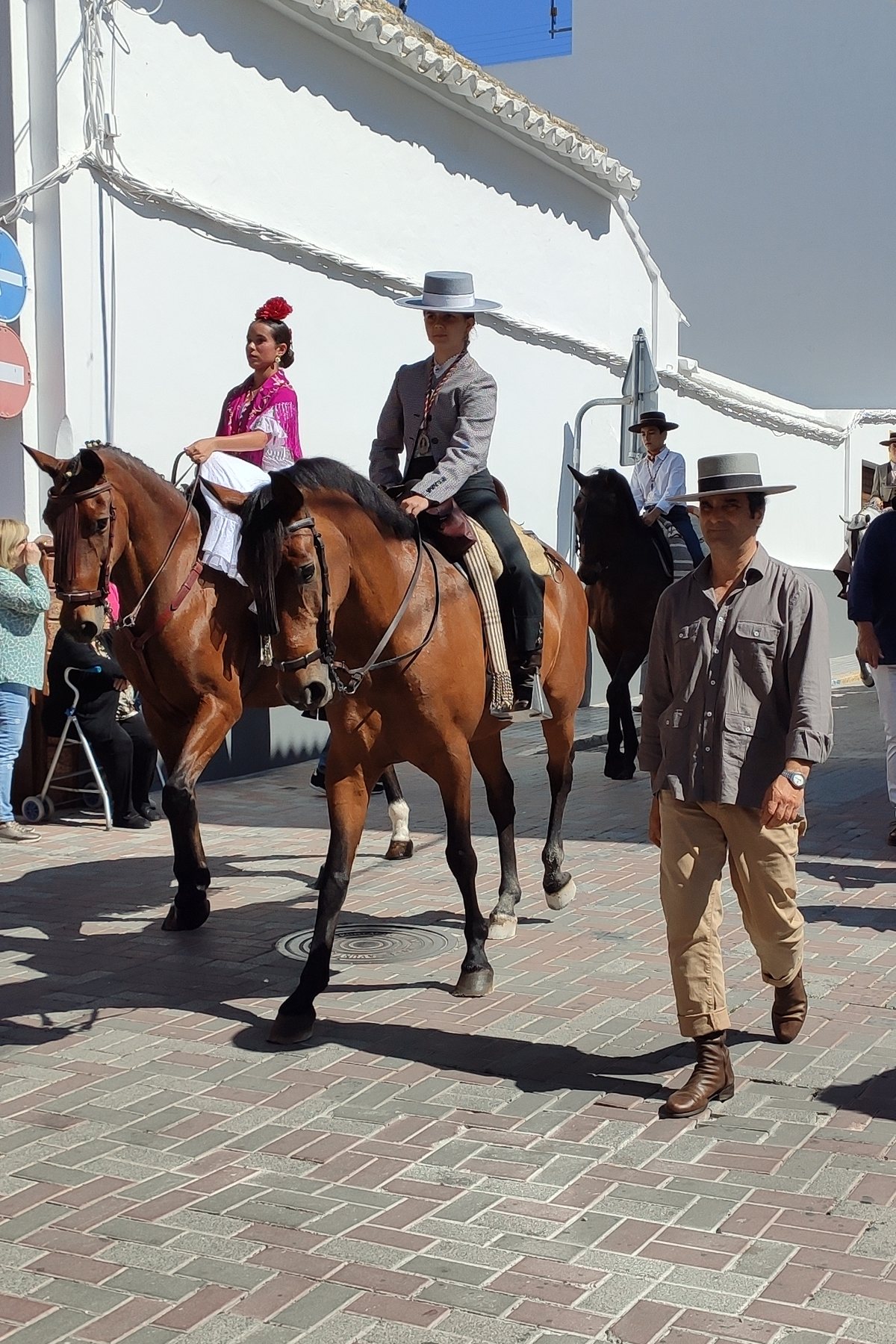
Every year on 15 May, Nerja celebrates the patron saint of farmers, San Isidro. After mass, the town forms a lively procession from the Balcón de Europa out to his small hermitage by the Nerja Caves, accompanied by oxen, horses and decorated carriages. Out there, the festivities continue with live music and outdoor bars late into the night. Nerja lies roughly 25 km from Playa Tropical.
← All fiestas in the fiesta calendar
What is being celebrated?
San Isidro Labrador – Isidore the Farm Labourer – was an impoverished agricultural worker in 12th-century Madrid. According to Wikipedia, he worked on the estate of the landowner Juan de Vargas. The exact years of his birth and death remain uncertain: historical sources suggest he was born around 1070–1082 and died in either 1130 or 1172.
The best-known legend recounts that he attended church every morning before heading out to the fields. Fellow labourers complained that he arrived late for work. When the landowner went to investigate, he found Isidro kneeling in prayer while an angel guided the plough in his stead. Consequently, he is often depicted holding a hoe or behind a plough drawn by a team of oxen. Other legends centre on water: a spring that burst miraculously from dry soil, and a deep well where the water rose miraculously to save his young son.
The Pope canonised him on 12 March 1622, the same day as Ignatius of Loyola and Teresa of Ávila. He is the patron saint of Madrid, and in 1960 Pope John XXIII made him the patron saint of all Spanish farmers. His feast day is 15 May. That is why villages across Spain hold a romería on this day: giving thanks for the harvest and praying for a good year ahead.
In Nerja, it is still a farmers' festival. The day begins with an offering of fruit in the church and a tribute to the local farmers. In 2026, those honoured included the president of the irrigation association, the Comunidad de Regantes.

The chapel by the caves
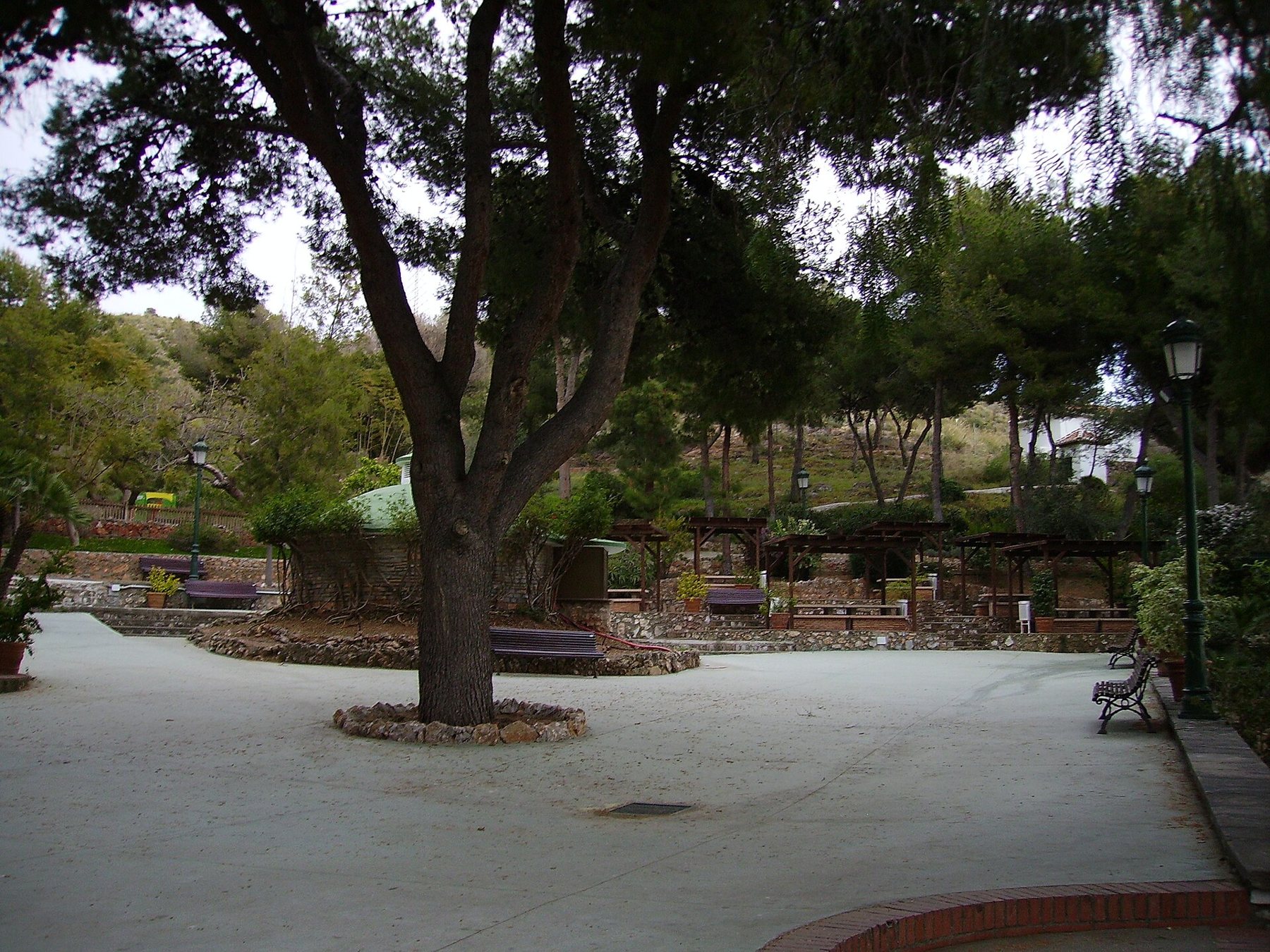
The destination of the procession is the Ermita de San Isidro, a small white chapel on the cave grounds near the village of Maro. According to the Nerja Cave authorities, the chapel was built in the mid-19th century on the remains of Maro's old cemetery walls. On the walls are remnants of old scratched drawings, most likely made by shepherds. Today, the chapel is owned by the municipality. When the procession arrives, the statue of San Isidro is carried inside.
When does it take place?
The romería is always on 15 May, Saint Isidore's Day. In 2026, it fell on a Friday and was a local public holiday in Nerja. Next time it takes place is Saturday 15 May 2027. According to the tourist guide EsNerja, 15 May will not be a local holiday in 2027, as Nerja has chosen 24 June and 16 July instead. We have not yet been able to verify this in the official holiday list from the Junta de Andalucía, but since the day is a Saturday, it makes little practical difference.
The programme for 2027 has not been published as of October 2026. In 2026, the town hall opened registration for floats and riders on 4 May and released the official programme on 8 May. Expect the programme to be published a week or two before the festival on nerja.es.
The Nerja Cave itself is closed to visitors every 15 May, as the romería is held on the cave grounds. If you wish to visit the cave, go on another day – see Nerja Caves.
The programme
Here is how the day unfolded on 15 May 2026, according to the town hall and Infonerja. The schedule usually follows the same pattern every year:
| Time | Facility | Where |
|---|---|---|
| 11.00 | Mass featuring the singing group Los Ortigosa and the fruit offering | Iglesia de El Salvador |
| After Mass | Tribute to the local farmers with Los Ortigosa and the folk dance troupe Agrupación Folclórica de Nerja y Maro | Outside the church entrance |
| 12.00 | The romería sets off with flute and drum players, horses, oxen and decorated floats | From Balcón de Europa |
| Around 15:00 | The procession arrives. A dance troupe performs for San Isidro, and the statue is placed inside the chapel | Ermita de San Isidro at the caves |
| Afternoon and evening | Music, DJs, flamenco and equestrian displays across three zones | The festival grounds by the cave |
| 12.00–23.30 | Municipal shuttle buses running between Nerja and the cave | Nerja – the cave |
On the festival grounds in 2026, there was a youth zone with DJs, a traditional zone featuring flamenco and Andalusian music, and an equestrian zone with live music and prize-giving ceremonies. The town hall did not specify when the festivities end. Shuttle buses ran until 23:30.
From 4 to 15 May 2026, a photo exhibition titled Recuerdos de Nuestra Romería de San Isidro showcased vintage photographs from past romerías. It was held in the exhibition room at Boquete de Calahonda, right by Balcón de Europa.
The procession: oxen, horses and floats
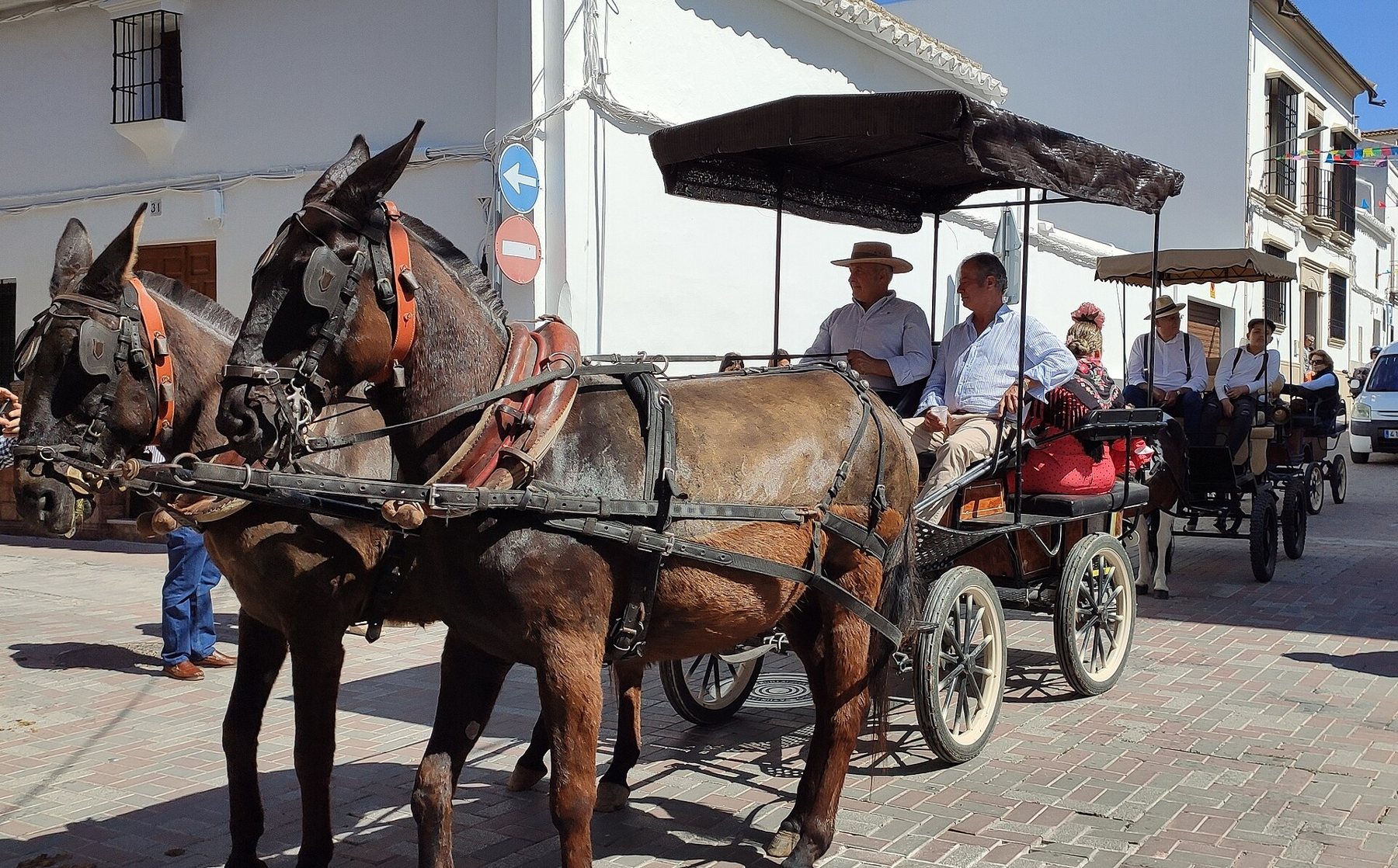
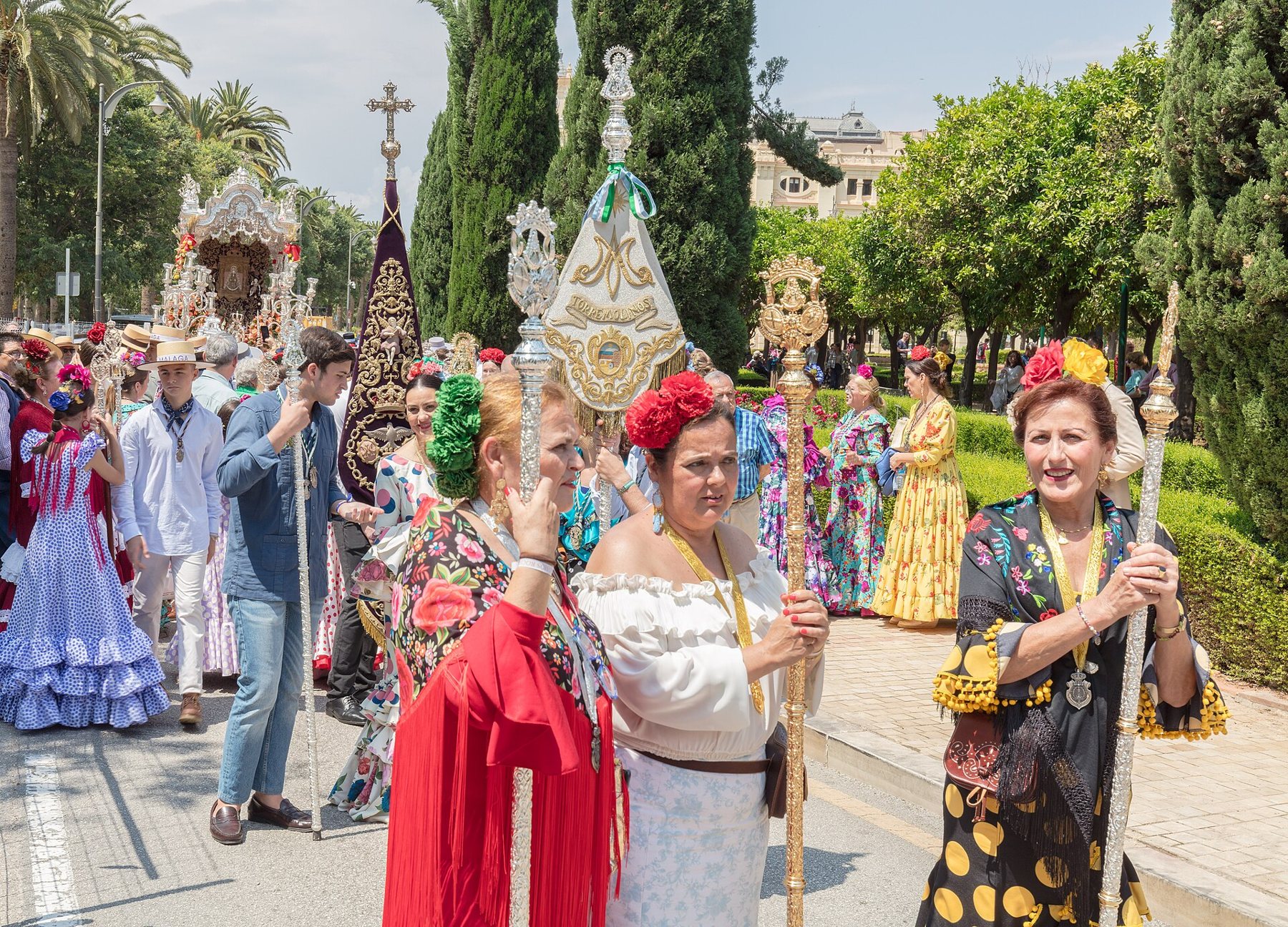
The procession is just as much a contest. The town hall awards prizes in several categories: ox carts, tractor- or car-drawn floats, horse-drawn carriages, riders and riding couples, children on horseback, and the best-decorated mules. In 2026, numbers were capped at 8 large floats drawn by tractor and 24 smaller floats. Many romeros dress in flamenco dresses and traditional Andalusian riding costume.
The winners in 2026 give a good impression of the entrants: the best ox cart came from the parish group El Cautivo, second place went to the Nerja Red Cross, and third to a local brotherhood. Among the motorised floats, prizes were awarded to groups of friends, a local peña, and a group from Maro.

The route
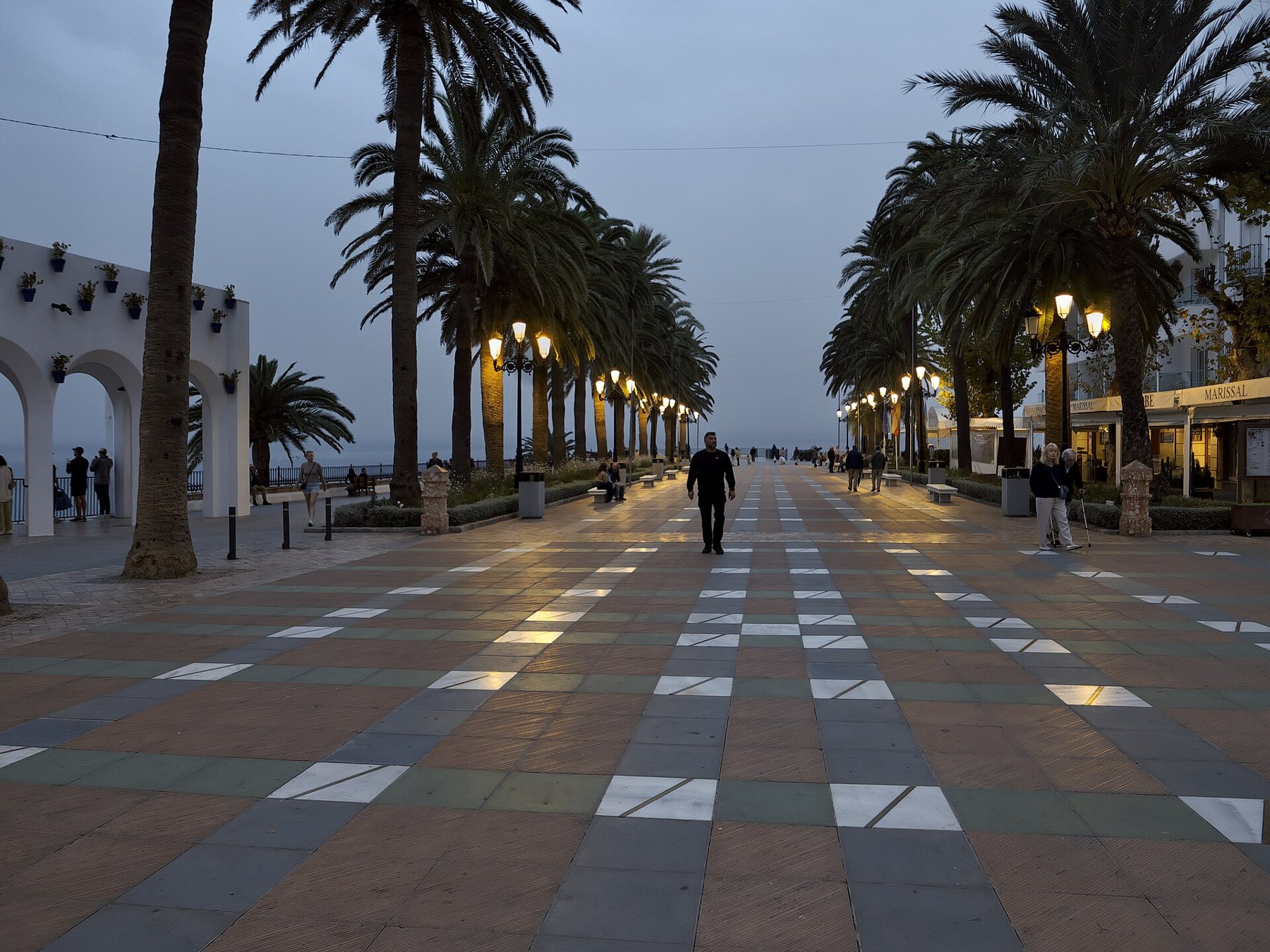
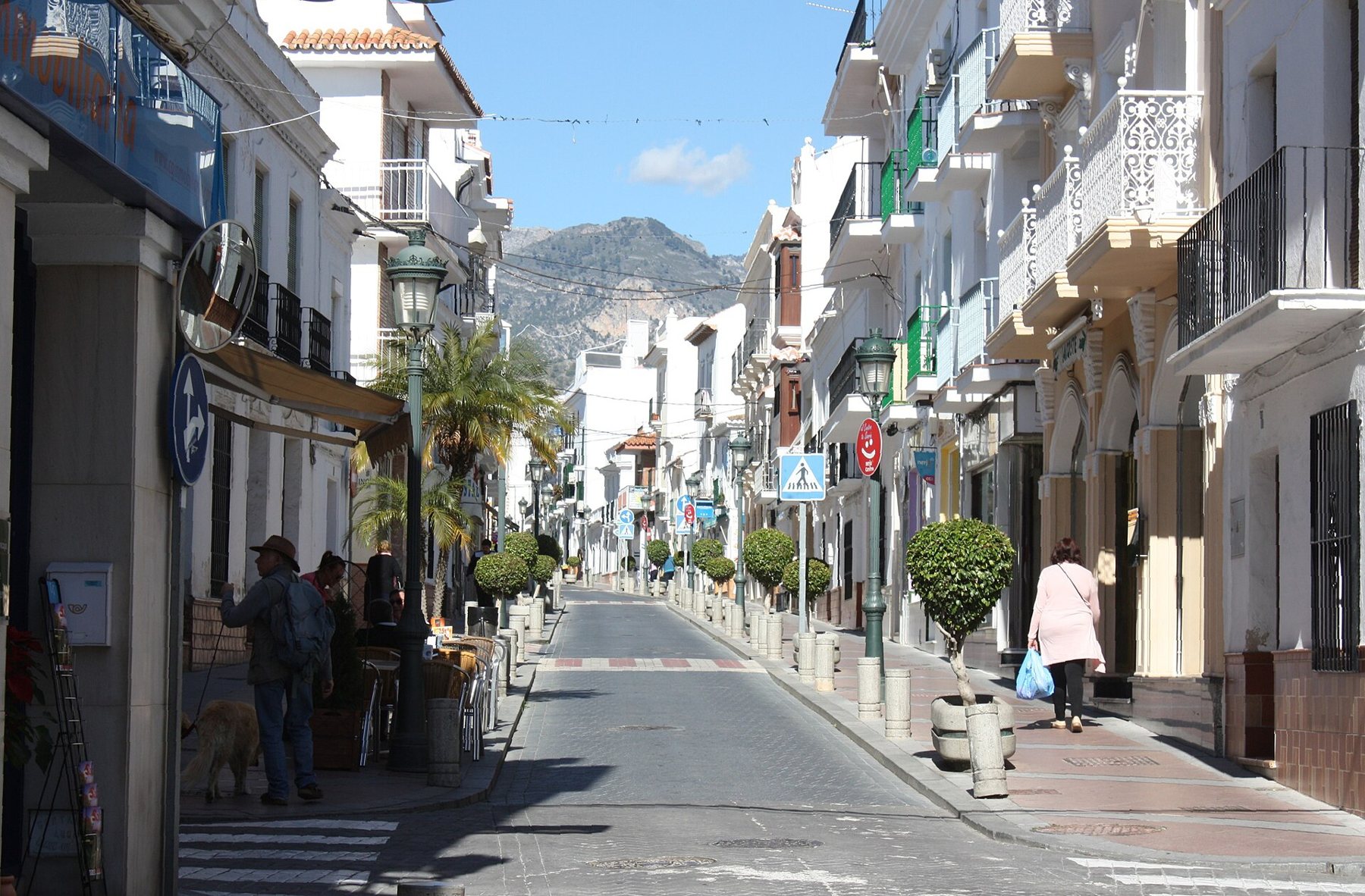
The town hall states simply that the romería travels from Balcón de Europa to the cave grounds. From the church to the chapel, the route is 4.5–5 km. According to a local hotel blog, the procession passes along Calle Diputación and Calle Pintada to Plaza Cantarero, continuing down Avenida de Pescia and along the old coastal road N-340, past Capistrano and up to the cave near Maro. The blog highlights Calle Pintada, Plaza Cantarero and Avenida de Pescia as great spots to watch the parade. While not officially confirmed by the town hall, this route matches Nerja's layout well.

How to get there
By car
From Playa Tropical, it is approximately 26 km and half an hour to Nerja town via the A-7 motorway towards Málaga. To the cave it is 24 km – take the exit towards Nerja/Maro and follow the signs for Cueva de Nerja.
On the day of the fiesta, streets are closed along the route, and the town hall has not issued specific parking instructions. EsNerja recommends walking with the procession from town or parking in the designated areas near the cave. We suggest two options:
- If you wish to see the Mass and the departure: drive early to the underground car park Parking Balcón de Europa beneath Plaza de España (paid). Watch the procession set off at 12:00, then catch the shuttle bus up to the cave. The bus returns to town in the evening.
- If you only want to experience the fiesta at the cave: drive straight there and arrive before the procession, well before 14:00–15:00. The cave usually has a large car park, but it is partly taken over by the festivities. Follow the instructions of the local police.
There are plenty of drinks bars at the festival. If you are driving, do not drink – the legal limits are detailed in Customs and Local Rules.
By bus
ALSA's coastal bus runs from the bus station in Almuñécar via La Herradura to Maro and Nerja (the stop on Avenida de Pescia). From the stop at Maro, it is about 500 m up to the festival grounds. Ticket portals give conflicting times for the last bus from Nerja back to Almuñécar in the evening – we have seen both 21:25 and 23:15. Check the timetable on alsa.com or at the ticket counter before setting off. See also buses.
Taxis: If you miss the bus, you will need to take a taxi back from Nerja. Book it well in advance, as many people will be heading home at the same time in the evening.
The buttons below the map at the bottom open the route from Playa Tropical directly in Google Maps – for driving to the cave, reaching the town-centre car park, and following the procession route on foot.
Food and drink
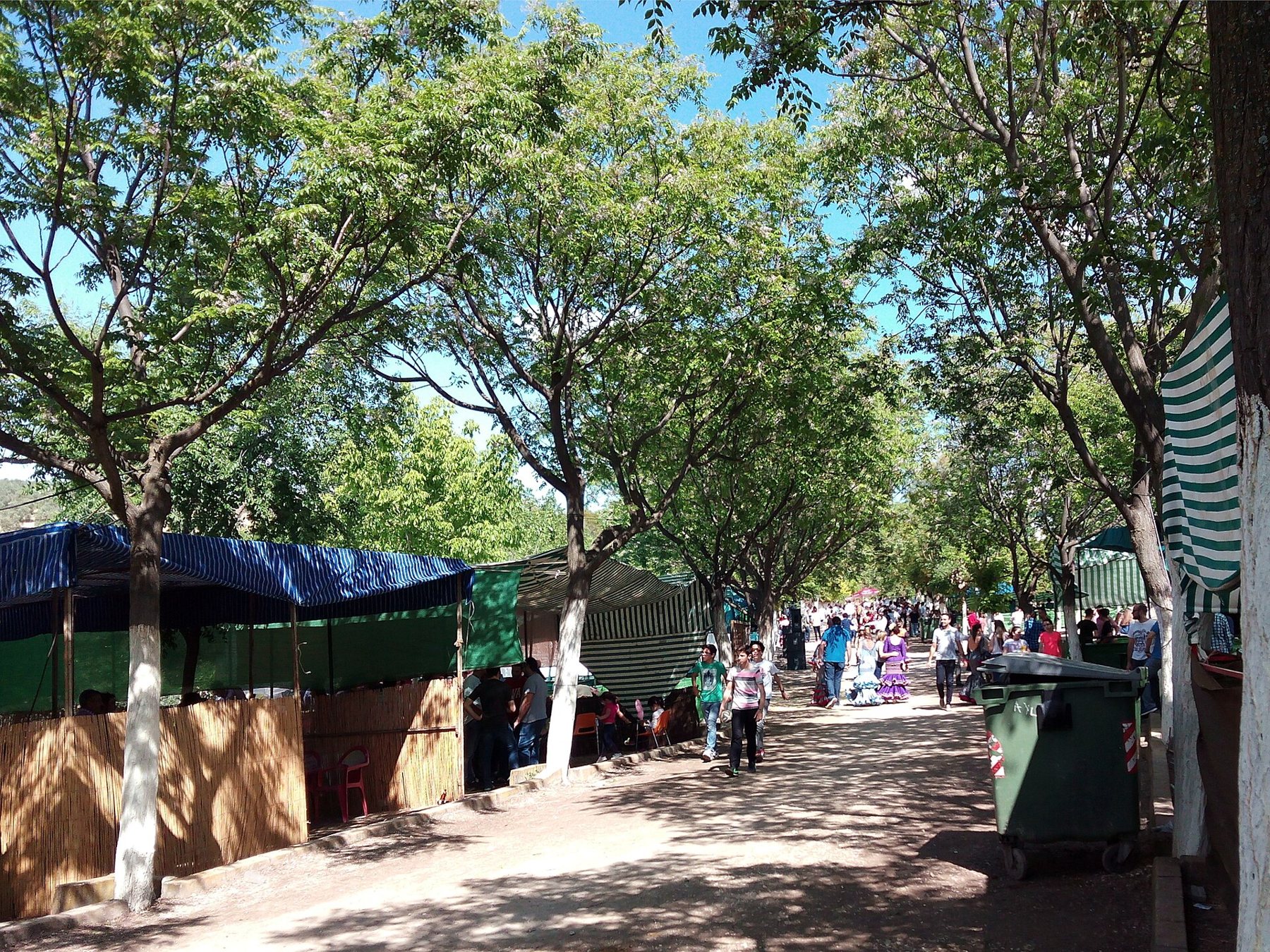
Up at the cave, the celebration feels like a grand open-air picnic. Many families and groups of friends bring food to last the whole day, dining in the shade beneath the pines. In 2026, the town hall allocated by lottery 7 drinks bars in the youth zone and 2 food stalls in the picnic area. They are run by local clubs and associations from Nerja and Maro, so proceeds go directly to support community groups.
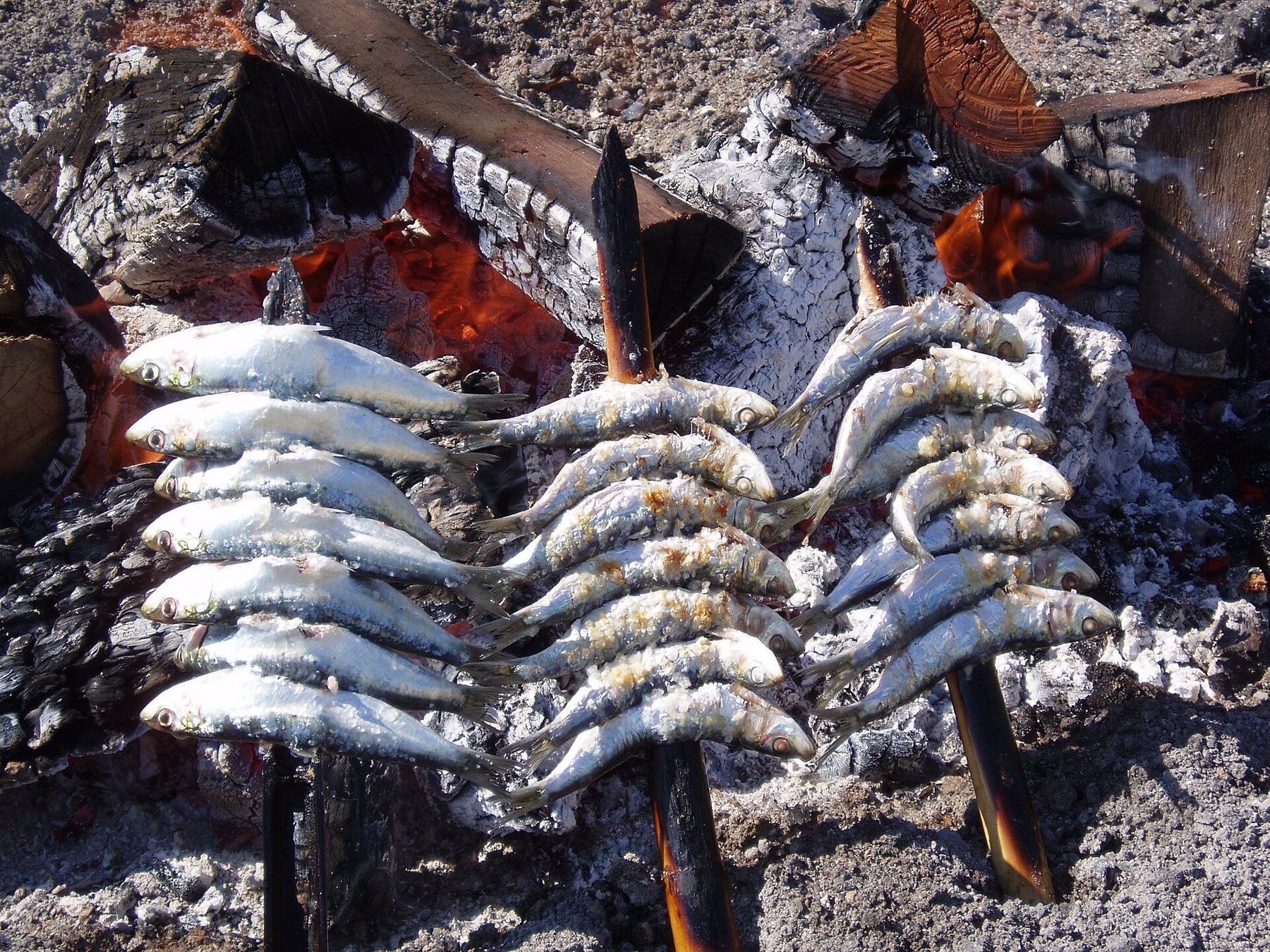
According to EsNerja, the stalls serve paella, migas, grilled sardines (espetos) and homemade sweets. The municipality has not published a set menu. Bring plenty of water, as May can be hot and queues at the bars are common.
Down in Nerja town, there are plenty of cafés and restaurants around Balcón de Europa and Calle Pintada where you can have lunch before heading up to the party. See also Food Traditions.
Toilets
- Festival grounds by the cave: We have found no details regarding portable toilets. The cave facilities include toilets near the entrance, including an accessible toilet, but since the cave is closed on the feast day, we cannot confirm whether they will be open.
- In Nerja town: Pop into a café near Balcón de Europa to use the facilities before the procession leaves – ordering a coffee makes it perfectly acceptable. Along the route itself, there are no public toilets we know of.
- The bars: The association-run bars at the cave are set up in marquees and stalls. We do not know whether they have their own toilets.
Practical info
- Sun and heat: The sun can be fierce in May, and most of the festivities take place outdoors. A hat, sunscreen and water are essential – advice also echoed by Festivales de España.
- The walk: From the town to the cave is 4.5–5 km, with an uphill incline over the final stretch. The procession takes around 3 hours. If you cannot walk that far, watch the departure in town and take the shuttle bus or your car up to the cave.
- Horses and oxen: There are plenty of animals on the streets. Keep a safe distance, never walk directly behind a horse, and keep children and dogs close by the hand. Watch your step, too, as there will be horse manure on the roads.
- Noise levels: Expect drums, lively music and DJ sets throughout the afternoon and evening. We have seen no mention of fireworks in the official schedule.
- In church: The 11:00 Mass is a proper religious service. Please cover your shoulders and keep noise to a minimum. Arrive early if you hope to find a seat.
- What to wear: Many locals wear flamenco dresses or Andalusian riding attire, but smart summer clothes are completely fine. Wear sensible walking shoes, especially if you plan to walk alongside the procession.
- Cash: The association bars are small stalls. Bring plenty of small change and cash notes.
- Wheelchairs and rollators: The starting point at Balcón de Europa is flat. However, the route along the country road and the festival ground by the cave are uneven, and crowds gather everywhere. We have found no official information regarding disabled access on the festival day.
- Crowds: This is one of Nerja's premier annual celebrations. Arrive early at Balcón de Europa if you want a good view of the 12:00 departure.

Maps and routes
Red star = Playa Tropical. Click on a point for the name and distance. Map data © OpenStreetMap.
Open the route in Google Maps
- Drive from Playa Tropical to San Isidro at the Nerja CaveApprox. 24 km, just under 30 mins via the A-7 towards Málaga, exit Nerja/Maro. The cave is closed on 15 May and the grounds are used for the fiesta – follow police signs.
- Drive to the procession's start in Nerja townApprox. 26 km, about 30 mins. Arrive early: the underground car park by Balcón de Europa is right in the centre, and roads close for traffic.
- Via the coastal road with a stop in MaroVia the old N-340 past the bus stop in Maro to the festival grounds at the cave – the same road the procession follows on the final leg.
- Walk alongside the romeríaFrom the church and Balcón de Europa up through Calle Pintada to Plaza Cantarero and along the road to the chapel by the cave. Approx. 5 km, uphill towards the end.
- Round trip: procession in Nerja, party at the cave and homeWatch the departure at 12:00 in town, drive up to the cave in the afternoon and return via the A-7.
The routes start at Playa Tropical. On mobile devices, they open directly in the Google Maps app, ready for navigation.
Good advice
- Check nerja.es in early May. The programme and bus schedules for 2027 are released a week or two before the festival.
- Pick one part of the day. Either the morning Mass and procession departure in town, or the afternoon fiesta up at the cave. Doing both makes for quite a long day for most.
- Arrive before 11:30 at Balcón de Europa. That leaves enough time to find a good viewing spot for the departure.
- Use the shuttle bus. In 2026, it ran all day between the town and the cave, saving you the hassle of finding a parking space.
- Bring a packed lunch and plenty of water. There are relatively few bars given the size of the crowd, so queues can form quickly.
- Check the last bus back to Almuñécar. Alternatively, arrange a taxi well in advance.
- The cave will have to wait. It is closed on 15 May – come back another day.
- More festivals in May: Cruces de Mayo around 3 May and Corpus Christi and Granada's feria in late May or June. See also fiestas in Almuñécar and excursions.
Sources
- Nerja Town Hall 08-05-2026: Programme for the 2026 romería
- Nerja Town Hall 19-05-2026: Awards for the 2026 romería
- Nerja Town Hall 29-04-2026: Registration for competitions (floats and riders)
- Nerja Town Hall 17-04-2026: The bars for San Isidro 2026
- Cueva de Nerja: 2026 opening hours, closed 15 May, Ermita de San Isidro
- Infonerja 11-05-2026: All about San Isidro 2026 in Nerja
- EsNerja: Romería of San Isidro in Nerja
- Euro Weekly News 13-05-2026: Nerja San Isidro Romería 2026
- Festivales de España: Romería de San Isidro Labrador in Nerja
- Hostal Calahonda Beach (blog): Romería de San Isidro Nerja 2026 – the route
- Wikipedia (es): Isidro Labrador and Wikipedia (en): Isidore the Laborer
- Coordinates: OpenStreetMap contributors (ODbL)