← All articles about motorhomes
Parking is not camping
Spain distinguishes between parking (estacionar), staying overnight (pernoctar) and camping (acampar). The traffic authority DGT has a special instruction on motorhomes. The old instruction 08/V-74 from 2008 was replaced by PROT 2023/14 (approved 11-07-2023), which has in turn been updated as PROT 2026/04, in force since 11-03-2026.
According to the DGT's press release of 16-03-2026, motorhomes may as a rule stop and park on the same terms and with the same restrictions as all other vehicles. They must, however, respect the rules and signs the municipality has put up in towns. Camping, on the other hand, is not a traffic matter – it falls under the tourism rules.
The 2023 instruction described when a motorhome is parked. According to several summaries of the instruction (we have not been able to read the DGT's PDF directly), the following applies:
- The vehicle touches the ground only with its wheels. Chocks under the wheels are fine, but not levelling legs or other equipment.
- Nothing sticks out beyond the vehicle's outline: no awning, no tables and chairs outside, no items laid out.
- The vehicle releases no liquids (waste water) and no noise – e.g. no generator.
If you stick to this, you are parking – even if you sleep in the vehicle. If you break any one of them, you are camping. Some summaries also mention outward-opening windows, but we have not been able to confirm that in the wording of the instruction.
Andalusia: ban on camping outside campsites
In Andalusia, Decreto 26/2018 of 23-01-2018 on campsites (campamentos de turismo) applies, published in BOJA no. 27 on 07-02-2018 and corrected in BOJA no. 70 on 11-04-2019. According to quotations in several sources, the decree says:
"Se prohíbe con carácter general la acampada y pernocta con fines vacacionales o de ocio fuera de los campamentos de turismo." – in English: As a general rule, camping and staying overnight for holiday or leisure purposes outside campsites is prohibited.
- The decree counts motorhomes, caravans and campervans as "camping equipment" (elementos de acampada).
- Áreas de pernocta de autocaravanas (motorhome areas for overnight stays) are a special type of campamento de turismo – in other words, legal places to stay overnight.
- According to a municipal bylaw from La Luisiana (Seville), which quotes art. 1.4 b) of the decree, ordinary parking of motorhomes falls outside the decree. Parking on the streets is regulated by the municipalities.
Be honest with yourself: The rules pull in different directions. The DGT says a legally parked motorhome may stay there overnight. The decree bans "pernocta" for holiday purposes outside campsites. How the two should be read together has not been clarified in the sources we have been able to read. The safe choice is to stay overnight on an área or a campsite – and never to camp outside them.
We have not been able to confirm which article of the decree contains the ban, or which fines apply under the Andalusian tourism law (Ley 13/2011). The amounts quoted on blogs and in newspapers vary widely, so we do not repeat them.
The beach and the coast: the coastal law (Ley de Costas)
The coastal law Ley 22/1988 applies to the whole of Spain's coastline. Art. 33.5 (amended by Ley 2/2013) prohibits on beaches: parking and driving vehicles without permission, and campsites and camping (campamentos y acampadas).
- According to the coastal law's regulations (Real Decreto 876/2014, Reglamento General de Costas, in force from 12-10-2014), the bans apply throughout the public coastal zone (dominio público marítimo-terrestre) – except the ban on parking and driving, which applies only to the beaches themselves.
- Fines: The regulations' section on fines sets a minimum fine of 40 € (≈ 298 kr.) per square metre per day for camping (shorter periods are calculated pro rata). For parking or driving without permission, the fine is 50–150 € (≈ 1.119 kr.), as several media outlets quote from art. 97 of the coastal law. We have not been able to read the exact article numbers in the BOE.
- A motorhome measuring 7 × 2,3 m covers approx. 16 m². If it is treated as camping on the beach, the minimum fine is therefore approx. 640 € (≈ 4.774 kr.) per day – plus awning and chairs.
- The coastal law also has a protection strip inland (servidumbre de protección) and a walking zone along the coast (servidumbre de tránsito). We have not been able to read in the BOE exactly what the law says about sleeping in your vehicle in these zones.
The nature parks
There are three protected areas within 250 km of Almuñécar that motorhome travellers often visit. We have not been able to read their own sets of rules (PORN and PRUG), so this only covers what we have been able to confirm:
- Acantilados de Maro-Cerro Gordo (Paraje Natural between La Herradura and Nerja, approx. 7–13 km as the crow flies from Almuñécar): The coast is covered by the coastal law and the decree above. We have not found a specific rule on motorhomes. Only park in the signposted car parks and do not stay overnight.
- Cabo de Gata-Níjar (Parque Natural, approx. 128–151 km as the crow flies): In 2026 (reported in August), the Junta de Andalucía's environmental officers had issued 98 reports for illegal overnight parking of campers and for camping with vehicles or tents. For seven years the Junta has run special summer checks, and in winter, together with Níjar's local police, it has removed motorhomes from sensitive spots on the coast, including El Playazo near Rodalquilar.
- Sierra Nevada (Parque Nacional and Parque Natural, the El Dornajo visitor centre approx. 50 km as the crow flies): We have not been able to confirm the park's rules for motorhomes. Ask at the visitor centre.


The municipalities: local rules and fines
According to the DGT, municipalities may not ban parking simply because the vehicle is a motorhome. But they may limit parking time, ban camping on public land and put up signs. We have not been able to open the municipalities' own bylaws from our working environment. Here is what we have been able to find – with dates:
| Municipality | What we have found | Source |
|---|---|---|
| Almuñécar | No bylaw on motorhomes found. In 2021 the police broke up an illegal camp by Barranco de Enmedio beach, and the municipality put up a barrier so that campers could not park there. | Euro Weekly News, 20-02-2021 |
| Nerja | Approx. 100 fines for motorhomes in one week in March 2020. The municipality had previously put up signs and height barriers. A later news report mentions a 24-hour limit on keeping a motorhome in the same place (traffic bylaw art. 20.21 and the bylaw on use of public roads art. 71) and an average fine of approx. 50 € (≈ 373 kr.). We have not been able to read this in the bylaw. | Euro Weekly News 16-02-2019 and 11-03-2020, AxarquíaPlus (undated in our search) |
| Salobreña | In 2015 the municipality had motorhomes removed from La Guardia and El Gambullón. In 2016 a parking ban was introduced in La Guardia. | Euro Weekly News 13-02-2015 and 26-06-2016 |
| Motril | No confirmed bylaw found. A private overview lists overnight stays as forbidden, but without a source. | – |
| Vélez-Málaga (Torre del Mar) | On 28-10-2011 the town council adopted a traffic bylaw limiting how long motorhomes and caravans may stand on the town's streets (art. 65.3). It was tested before the Supreme Court. We do not know the current wording. | Supreme Court ruling (STS) as reported by Economist & Jurist |
| Málaga | No confirmed bylaw or fine amounts found. The province's model bylaw for motorhomes (BOP Málaga 04-06-2015) proposes fines of up to 50 € (≈ 373 kr.) (minor), 200 € (≈ 1.492 kr.) (serious) and 500 € (≈ 3.730 kr.) (very serious) – but it is only a template for the municipalities. | BOP Málaga 04-06-2015 (model) |
In short: the signs on site apply. If it says "prohibido autocaravanas", "prohibido pernoctar" or there is a time limit, stick to it.

Fire: Plan INFOCA and fires in the countryside
- In Andalusia, the high fire-risk period runs from 1 June to 15 October (Junta de Andalucía). The Junta can extend it if the weather is dry – as happened in 2021, for example, when it was extended to 31 October.
- During this period it is forbidden to light a fire for a barbecue in natural areas (espacios forestales) – including at picnic sites, in designated barbecue areas and at campsites set up for it (El Español, 01-06-2026). The rule comes from an order by the Junta, published in BOJA 29-05-2009.
- The Andalusian fire law (Ley 5/1999, art. 3) defines a 400 m zone around natural areas (zona de influencia forestal), where preventive rules also apply.
- The dry scrub can burn all year round. Never throw a cigarette out of the window, and call 112 if you see smoke.
Waste water, rubbish and noise
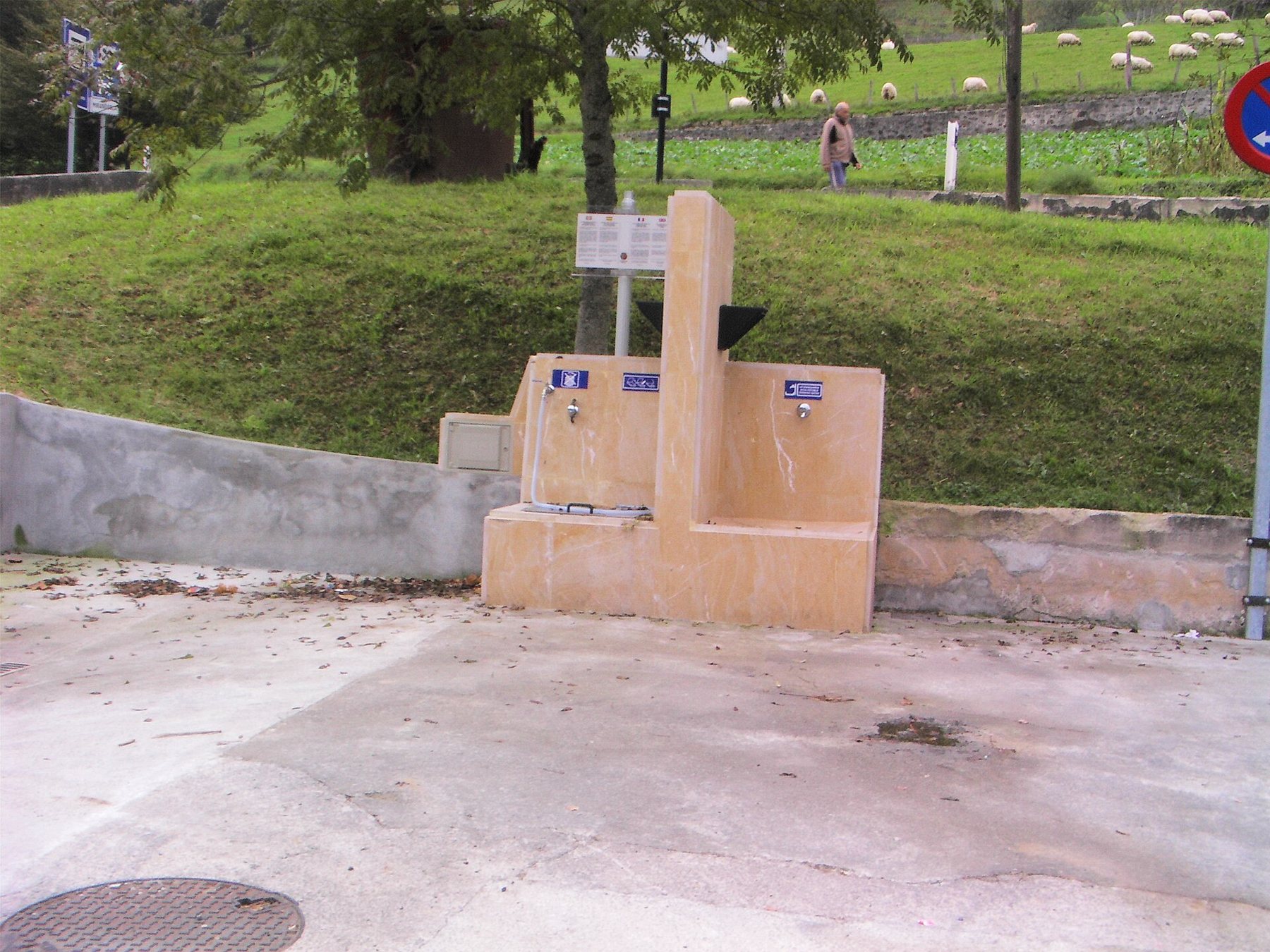
- Grey and black waste water may only be emptied at an emptying point (punto de vaciado) – at an área, a campsite or a petrol station with emptying facilities. Never in nature, on the beach or down a street drain. Letting waste water run out while the vehicle is parked counts as camping under the DGT's instruction. See all emptying points in emptying, water and gas.
- Rubbish goes in the ordinary bins – sort it as the locals do. Never leave bags next to a full bin.
- Noise: No generator, loud music or idling engine in a car park at night – that also counts as camping.
So where can you stay overnight near Almuñécar?
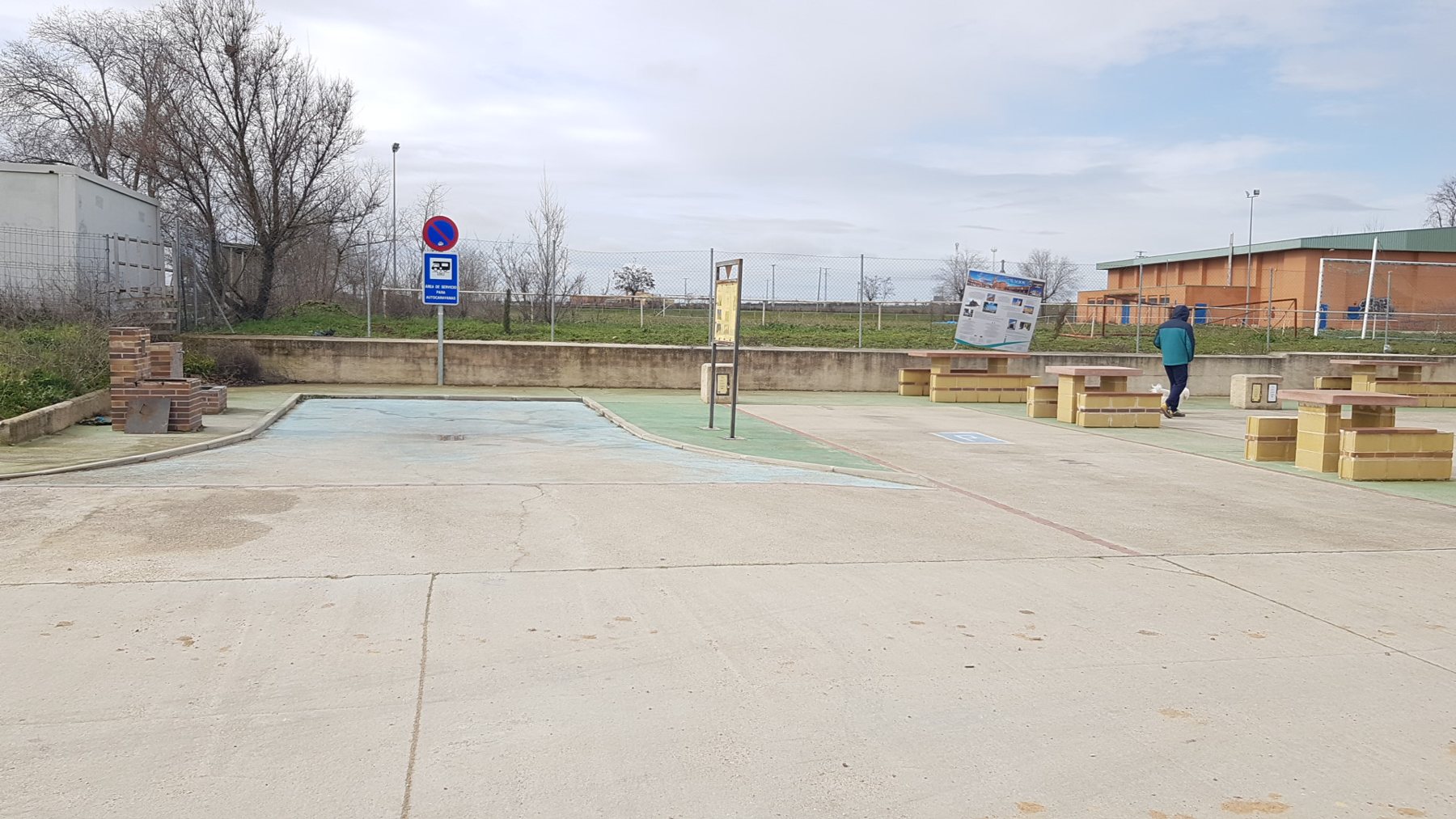
The safest options are the legal áreas and campsites. Close to Almuñécar there is, for example, the área at Velilla (Alclub, 1,9 km as the crow flies from the town hall), Aire Autocaravanas La Herradura (4,5 km) and several campsites. Prices, facilities and opening times are in motorhoming in Almuñécar, and the sites along the whole coast in áreas and campsites on the coast. If you want to spend the winter, read wintering.
Do / Don't
Do
- Stay overnight on an área or campsite – it is the only completely safe option in Andalusia.
- Park correctly if you stop on the street: within a parking bay, only the wheels on the ground (chocks are OK).
- Read the signs at every car park – time limits, bans on motorhomes, height barriers.
- Only empty at emptying points, and fill up with water at the same place.
- Take your rubbish to a bin.
- Have your papers ready: driving licence, registration certificate, insurance.
- Call 112 in case of fire, accident or break-in.
Don't
- No awning, chairs, tables or levelling legs outside áreas and campsites.
- Never drive or park on the beach – coastal law, 50–150 € (≈ 1.119 kr.) fine.
- Never camp on the beach – at least 40 € (≈ 298 kr.) per m² per day.
- Never empty your toilet or grey water in nature, on the beach or down a drain.
- No barbecues or fires in the countryside from 1 June to 15 October.
- No generator or loud music in car parks.
- Don't stay put for days in the same spot on the street – many municipalities have time limits.
Videos
Maps and routes
The map shows legal sites close to Almuñécar, visitor centres in the nature parks and places where motorhomes have been checked. The buttons below the map open the route in Google Maps. Google Maps' car navigation does not show height, weight and width restrictions – see roads and parking.
Red star = Playa Tropical. Click on a point for the name and distance. Map data © OpenStreetMap.
Open the route in Google Maps
- From Almuñécar to the área at VelillaThe nearest legal overnight stop for motorhomes – 1,9 km as the crow flies from the town hall.
- Legal sites to the west: La HerraduraFrom Almuñécar to the área and the campsite in La Herradura. Stay overnight here – not on the beach.
- The coast with protected nature: Cerro Gordo and MaroAlong the old N-340 through the Paraje Natural Maro-Cerro Gordo. Only park briefly in the signposted spots, and stay overnight on an área afterwards.
- To the Sierra Nevada visitor centreAsk at El Dornajo about the nature park's rules before you look for somewhere to stay overnight in the mountains.
- To Cabo de GataApprox. 128–151 km as the crow flies. Start at the Las Amoladeras visitor centre. The Junta checks campers at night – stay overnight on an área or campsite.
The routes start at Playa Tropical. On mobile devices, they open directly in the Google Maps app, ready for navigation.
Good advice
- In doubt = área. If you are unsure about a place, drive to the nearest área or campsite.
- Use apps with care. Just because a place is listed in Park4night or Caramaps does not mean it is legal to stay overnight there.
- Ask the police. The Policía Local know what the local bylaw says.
- Keep the fine. If you get a fine, ask for it in writing and keep it. Read on the fine which rule you have been penalised under, and how and when it must be paid or can be appealed.
The rules here are the ones we have been able to confirm on 02-11-2026. Andalusia's decree and the coastal law apply everywhere. Municipal bylaws can change quickly, and the fine amounts differ between sources. This page is not legal advice.
Sources
- DGT: Tráfico actualiza la Instrucción de autocaravanas (press release 16-03-2026; read via search result 02-11-2026)
- DGT: Instrucción PROT 2026/04 Autocaravanas (in force 11-03-2026) and Instrucción PROT 2023/14 (11-07-2023)
- Summaries of PROT 2023/14: AC Pasión, A veces veo viajes, Motorpasión
- BOJA no. 27, 07-02-2018: Decreto 26/2018, de 23 de enero, de ordenación de los campamentos de turismo and consolidated version (Junta de Andalucía)
- Consumo Responde (Junta de Andalucía): Aspectos generales sobre los campamentos de turismo
- BOP Sevilla: Bylaw from La Luisiana (quotes Decreto 26/2018 art. 1.4 b)
- BOE: Ley 22/1988, de 28 de julio, de Costas (art. 33.5 and 97) and Iberley: Artículo 33 Costas
- BOE: Real Decreto 876/2014, Reglamento General de Costas
- Infobae: Cuál es la multa por dormir en una playa de España (03-09-2024) and Andalucía Informa: Dormir en autocaravana en Andalucía
- elDiario.es / Europa Press: La Junta denuncia a un centenar de usuarios de caravanas y campers … en Cabo de Gata (2026)
- El Español: Ni barbacoas ni quemas agrícolas – the restrictions in Málaga until 15 October (01-06-2026)
- BOE: Ley 5/1999 de prevención y lucha contra los incendios forestales (Andalucía)
- Euro Weekly News: Almuñécar, Barranco de Enmedio (20-02-2021), Nerja (16-02-2019), Nerja, approx. 100 fines (11-03-2020), Salobreña (13-02-2015), La Guardia (26-06-2016)
- AxarquíaPlus: Nerja impone un centenar de multas en una semana a las autocaravanas
- Supreme Court ruling on Vélez-Málaga's traffic bylaw (Economist & Jurist)
- BOP Málaga 04-06-2015: Model bylaw for motorhomes
- Wikipedia: Maro–Cerro Gordo Cliffs Natural Park
- Coordinates: OpenStreetMap contributors (ODbL)
Krone amounts are converted at 1 € ≈ 7.46 kr. and rounded.